Oppo Reno 17 vs Reno 17 Pro: What’s Different Between the Two Phones?
Oppo is introducing a new Reno smartphone lineup: the Reno 17 5G and the Reno 17 Pro 5G, focusing on camera and power. Here are the differences between the standard and the Pro, plus details about its India launch.
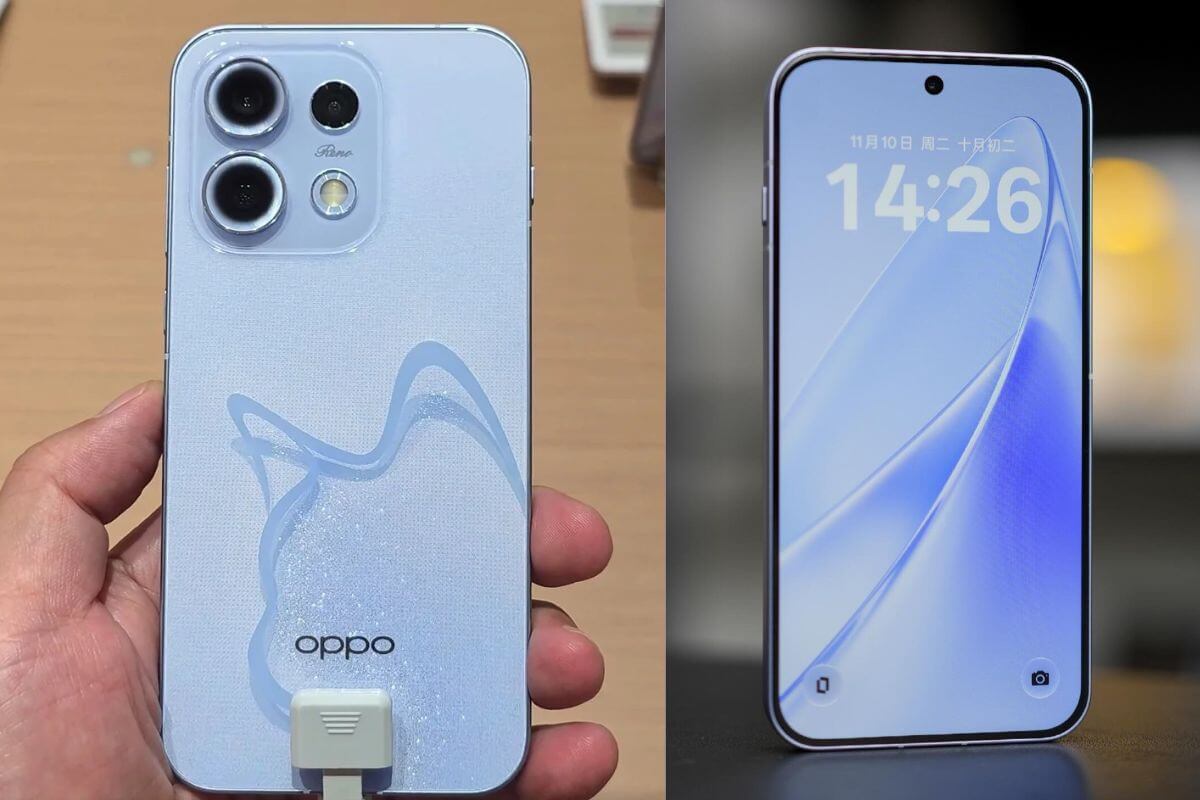
Oppo launched the Reno 17 and Reno 17 Pro in China on November 16, 2026. The Pro has a 200MP main camera and a MediaTek processor, while the standard Reno 17 uses a Snapdragon chip and has a larger battery. The two phones share a 50MP periscope telephoto camera with 3.5x optical zoom and support up to 80W wired charging. The Reno 17 Pro is also the smaller of the two phones.
Make Telecom Talk My Trusted Source
Key Highlights
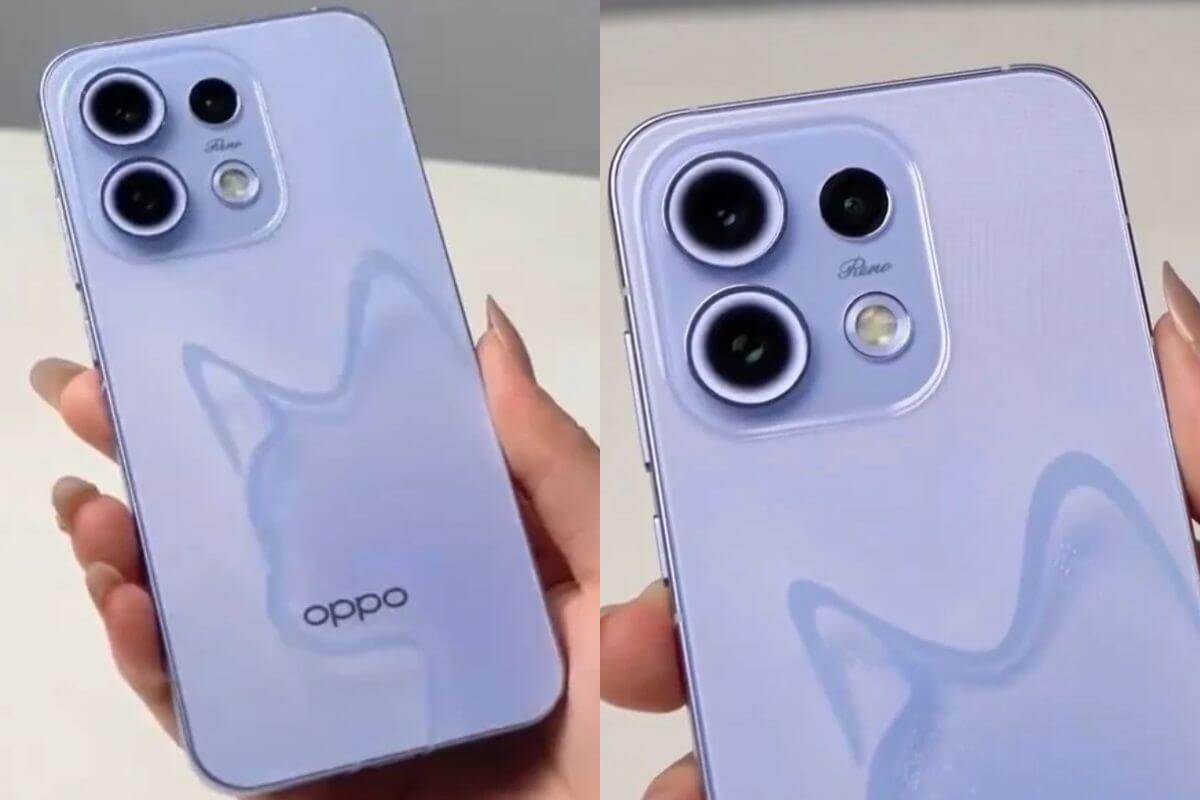
The Reno 17 Pro gets a 200MP main camera, while the Reno 17 has a 50MP main camera. Both feature a 50MP periscope telephoto camera with up to 3.5x optical zoom.
The Reno 17 uses the Snapdragon 7 Gen 4, while the Reno 17 Pro runs on the MediaTek Dimensity 8550 Super.
The Reno 17 has a larger 8,000mAh battery than the Pro’s 7,250mAh battery. Both support up to 80W wired charging.
The Oppo Reno 17 starts at CNY 3,599 for the 8GB RAM/256GB storage variant.
The Reno 17 Pro starts at CNY 4,199 for the same configuration, a difference of CNY 600. At 12GB of RAM and 256GB of storage, the Reno 17 costs CNY 3,799 and the Pro costs CNY 4,599.
At 512GB, the gap widens to CNY 1,000, with the Reno 17 priced at CNY 3,999 and the Pro at CNY 4,999. Both 512GB variants come with 12GB of RAM.
Oppo also offers the Reno 17 with 12GB of RAM and 1TB of storage for CNY 4,899, which is CNY 100 less than the 512GB Reno 17 Pro.
The Pro tops out at 512GB. Both phones are scheduled to go on sale in China on November 20.
The Reno 17 has a 50MP main camera, while the Reno 17 Pro has a 200MP main camera. Both use optical image stabilisation and an f/1.8 aperture.
The Pro’s main camera also has a slightly wider field of view, with a 24mm equivalent focal length compared with 26mm on the standard Reno 17.
Both phones have a 50MP ultrawide camera with a 116-degree field of view and a 50MP periscope telephoto camera with optical image stabilisation. Oppo lists up to 3.5x optical zoom for both models. Each phone also has a 50MP front camera with autofocus.
Different Processors, Larger Battery on the Reno 17
The Reno 17 runs on Qualcomm’s Snapdragon 7 Gen 4, while the Reno 17 Pro uses MediaTek’s Dimensity 8550 Super. Both use LPDDR5X RAM and UFS 3.1 storage and run ColorOS 17 based on Android 17. The Reno 17 has a 6.56-inch display, while the Pro has a 6.32-inch display. Both support a refresh rate of up to 120Hz.
Oppo lists a typical battery capacity of 8,000mAh for the Reno 17 and 7,250mAh for the Reno 17 Pro, a difference of 750mAh. Both models support up to 80W wired charging through Oppo’s SuperVOOC and the UFCS charging standard.
As of November 17, Oppo has not announced an India launch date or local pricing for the Reno 17 series. The company has also yet to confirm which Reno 17 models it will sell in India. The prices, configurations, specifications and sale date above apply to the Chinese models.
Image Credits: TechHome, Yamane Hakase
Every article you read here is the result of time, research, and effort. If you feel it adds value, you can support TelecomTalk.
FAQs
When did Oppo launch the Reno 17 and Reno 17 Pro?
Oppo launched the Reno 17 and Reno 17 Pro in China on November 16, 2026.
What is the starting price of the Oppo Reno 17 in China?
The Oppo Reno 17 starts at CNY 3,599 for the 8GB RAM and 256GB storage variant.
What is the starting price of the Oppo Reno 17 Pro in China?
The Reno 17 Pro starts at CNY 4,199 for the 8GB RAM and 256GB storage variant.
Which processor powers the Oppo Reno 17 and Reno 17 Pro?
The Reno 17 uses the Qualcomm Snapdragon 7 Gen 4 processor, while the Reno 17 Pro is powered by the MediaTek Dimensity 8550 Super chipset.
Which phone has a smaller display, the Oppo Reno 17 or Reno 17 Pro?
The Reno 17 Pro is smaller with a 6.32-inch display, while the standard Reno 17 has a larger 6.56-inch display. Both support a 120Hz refresh rate.
 Support Telecomtalk