 Support Telecomtalk







Andrew Bonwick
Vice President of Product Development at Relm Insurance

Madhav Sheth
CEO of Ai+ Smartphone

Stephen Rose
CEO Render Networks



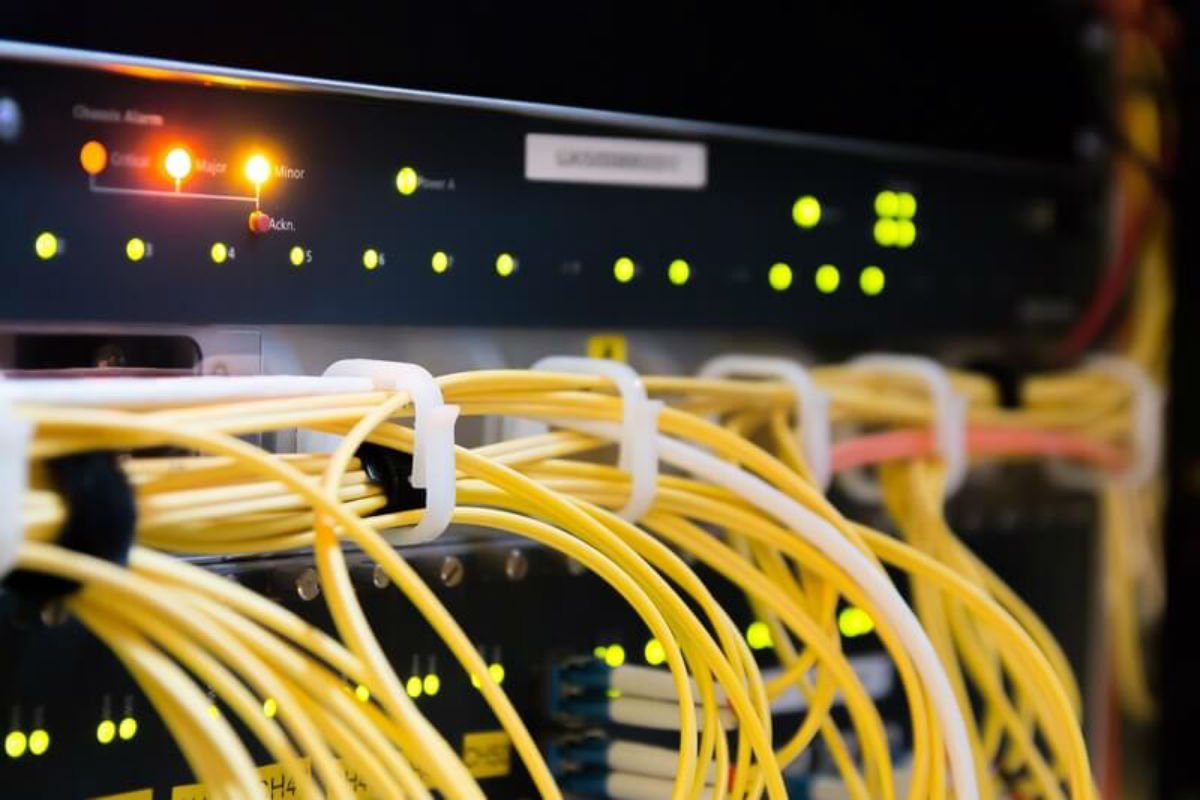
PON stands for Passive Optical Networks. This kind of network was available in the mid-90s. The way technology has evolved and advanced since the mid-90s, tech of PON has matured as well. Now PON has become GPON. GPON stands for Gigabit Passive Optical Network. From the name itself you can make out that the network you get will be very fast. A fibre-optic broadband connection is used to create a point to multi-point network so users can access the all-fibre Ethernet end-point. Even at a greater distance, GPON transmits data at a very high speed and offers great bandwidth. Let’s take a look at all the benefit of a GPON network.
- Make Telecom Talk My Trusted Source



Benefits of a GPON Network
1. Higher Range – A conventional copper broadband connection (DSL connection) can transmit data over a range of 100 meters. But a GPON broadband connection can transmit data between 10-20 kilometres. But don’t worry, the speed doesn’t drop despite the higher distance. So ultimately, you can get higher speeds at higher distances making it a win-win for everyone.
2. Space-Saving Connection – One of the many benefits of getting a GPON network is that it lets you save ample of space. GPON fibre is a lot smaller and is a fraction of conventional copper cables. This ultimately results in lesser cabling in your building.
3. Stability and Future Proof – Usually, traditional Ethernet networks can get disrupted due to radio frequency interference. But With the optical fibre network, it is not a problem. At the same time, optical networks are future proof as well offering up to 1.6 Tb/s per fibre.






























