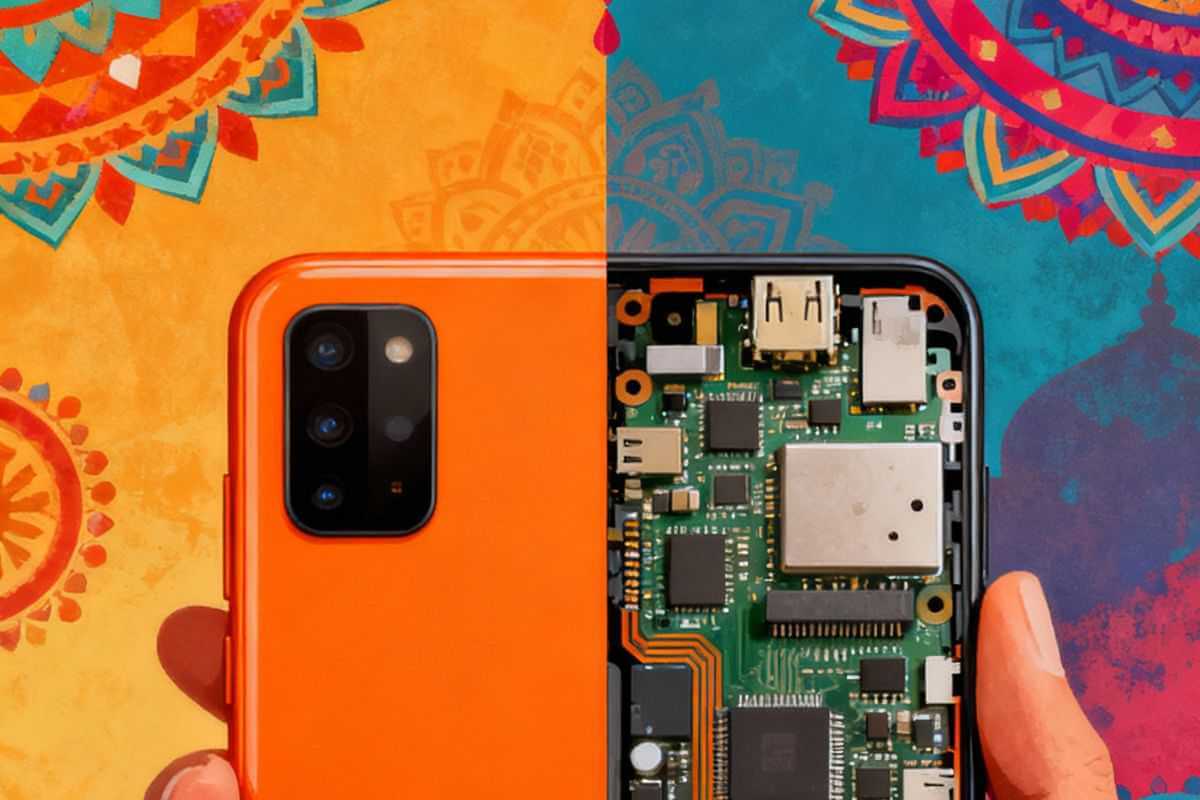
With the AI boom and rising component prices, smartphone prices have been rising recently, with brands like Samsung and Apple announcing hikes, and others like Oppo, Vivo, and even Nothing doing the same.
This is making smartphone shopping in India harder, as higher component costs are driving up budget prices. With the holiday shopping season underway, people may find it harder to get the memory and storage they want for their money.
The problem isn’t just inflation or companies making high-end models. Higher prices for DRAM and NAND memory are driving up production costs. At the same time, demand from AI data centers is taking a share of the advanced memory chip supply.
This creates a challenge for phone makers trying to offer devices without sacrificing profit margins.
The effect is already happening in the market. Smartphone sales during India’s holiday season are expected to drop by 12% from the previous year, even as the total market value is expected to grow by about 5%. This mix suggests that people may spend more on phones even while buying fewer of them.
Entry-Level Smartphone Worries Worsen!
The pressure hits entry-level smartphones hardest. Companies in this price range have less room to absorb higher part costs because customers are very sensitive to even small price changes.
Companies can protect profits by raising prices, cutting back on deals, reducing memory or storage, or changing other features.
For shoppers, this means looking at phone features and prices rather than just the original launch price.
A phone advertised with 8GB of RAM and 256GB of storage might look good. Its value depends on the processor, software support, screen, battery life, and after-sales service. An older model with a discount might be a better deal than a new phone with compromises.
How AI Is Involved in Increasing the Price of Smartphones
AI plays a role here, but the link needs to be understood properly. Large AI systems need a lot of computing power, and some of that uses bandwidth memory, which takes up production space and investment that other memory products need.
Companies have business reasons to supply the data center market. However, smartphone memory is not the same as the memory used in AI servers, and prices also depend on production volume, stock levels, contracts, and demand.
The effects differ across the smartphone market. People who buy costly phones may handle a price increase better, while those shopping below Rs 15,000 may find a small rise makes a big difference in their choices. Businesses may also focus on profitable models when parts are limited, which could mean fewer cheap options are available.
Verdict: What Should You Do?
For someone considering an upgrade, the best move is always to buy new. Check whether your current phone still works for your needs.
Compare prices from different sellers, and only look for bank deals after checking the real selling price.
People who need a phone right away should prioritize long-term software support, sufficient storage, and a good battery life rather than paying more for AI features they might not use.
There is also a limit to how sure anyone can be about prices. Part costs can change, companies can change their supply deals, and holiday sales can sometimes reduce prices. A shortage doesn’t mean every phone will get more expensive at the same rate.
Also Read: Jio AI Glasses Could Bring UPI Payments
The bigger worry is that affordable smartphones with the features people want might be harder to find.
If memory costs stay high, companies will have to choose between raising prices, lowering hardware, or taking profits. For buyers, this could make comparing options more important than ever.
For Indian consumers, that could make careful comparison more important than ever.
Some people read for free. A few choose to support. If you found TelecomTalk useful, you can help keep us running.
FAQs
Why are smartphones becoming more expensive in India?
Higher memory costs, component supply pressures and manufacturing expenses are contributing to price increases.
How is AI affecting smartphone prices?
AI data centres require substantial memory resources, increasing competition for manufacturing capacity and investment. Smartphone prices are also influenced by supply, demand and manufacturers’ pricing strategies.
Will budget smartphones be affected more than premium phones?
They may be more vulnerable because manufacturers have less room to absorb higher costs in the entry-level segment.
Should I buy a smartphone during the festive sale?
Compare the actual selling price, specifications, software support and warranty. A discount does not automatically make a phone good value.
Will every smartphone become more expensive?
No. The impact will vary by brand, model, component contracts, inventory levels and retailer discounts.
 Support Telecomtalk