 Support Telecomtalk







Andrew Bonwick
Vice President of Product Development at Relm Insurance

Madhav Sheth
CEO of Ai+ Smartphone

Stephen Rose
CEO Render Networks



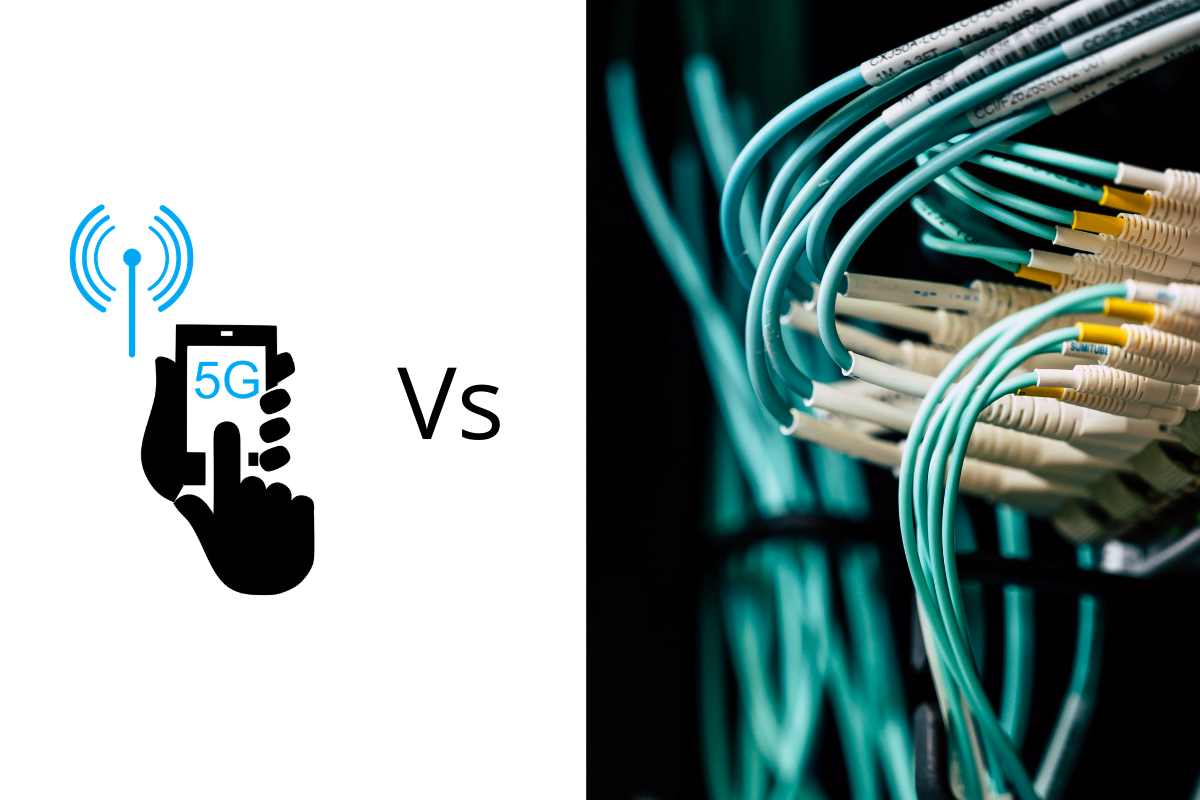
5G is going to be all over the world, including India very soon. It is the next generation of technology which will support faster and higher connectivity. As we have established in one of our reports earlier, 5G won’t be as harmful as people are speculating it to be. The 5G frequency bands fall under the non-ionising range, which means it is safe to be deployed. While 5G is slowly rolling out around the world, there is a question that begs to be answered, will it replace high-speed broadband internet connections?
- Make Telecom Talk My Trusted Source
-

-


Will 5G Take Over the Broadband Internet World?
First of all, it is important to understand the differences between the two to answer whether or not that will happen. 5G is the next-generation cellular connectivity platform which will help users in getting high-speed internet. In contrast, broadband is a cable or fibre internet connection which provides high-speed internet as well.
The basic difference between the two is the range of connectivity. Wherever 5G towers are, 5G connectivity will be available. But with broadband connections, they are available within a tiny and limited area so you can’t depend on them if you are travelling.
Broadband connections are good for people who are doing most of their work sitting from their homes or offices. But if you are travelling a lot and need high-speed internet, 5G would be an ideal option.
So while people can get both the connections, will broadband really be necessary when 5G can provide high-speed internet anyway? Many would argue that since the broadband internet connection is cabled, there would be lesser network congestion. Thus it would be more reliable for achieving a stable internet experience.






























