Support Telecomtalk







Andrew Bonwick
Vice President of Product Development at Relm Insurance

Madhav Sheth
CEO of Ai+ Smartphone

Stephen Rose
CEO Render Networks



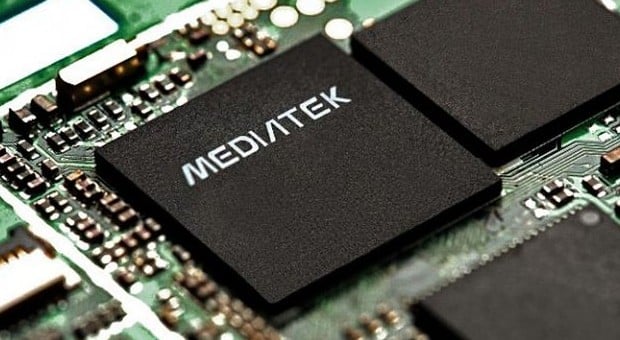
MediaTek has come up with yet another chipset in the P series, dubbed as the Helio P25 chipset. It was first showcased in China, September 2016 and is integrated with 16nm TSMC process technology. The new P25 chipset is made for smartphones with the dual-camera setup.
- Make Telecom Talk My Trusted Source






The P25 SoC also features MediaTek Imagiq, which is an Image Signal Processor (ISP) technology. The Imagiq technology is also a part of P20 chipset. However, this one has support for up to 13MP dual camera setup, which is a part of recently launched phones with a dual-rear camera unit. MediaTek touts that the new chipset can render video HDR with full preview along with other features such as Colour, Mono de-noise, and real-time shallow DoF bokeh effect.
MediaTek says,“Helio P25 puts advanced camera effects at user fingertips, including shallow depth-of-field – typically associated more expensive lenses – and high-performance auto exposure that lets users capture the highest quality images in any lighting scenario,”
Under the hood, the new P25 chipset has octa-core ARM Cortex-A53 processor clocked at 2.5GHz, which is faster than the P20 chipset that is clocked at up to 2.3GHz. Rest of the specs are same as the P20 chipset, such as 900MHz ARM Mali-T880 dual GPU, 6GB LPDDR4x memory support, Cat.6 LTE. The Helio P25 delivers up to 25 percent better power performance than the previous MediaTek chipsets. MediaTek claims that the P25 consumes lesser energy and offers better performance.
In its blog post, MediaTek writes: