 Support Telecomtalk






Highlights
- DE-CIX India has established a new Point of Presence at AdaniConneX Chennai.
- The Chennai Data center will support 33MT IT Capacity.
- This data center will offer low-latency internet connectivity for users.

Andrew Bonwick
Vice President of Product Development at Relm Insurance

Madhav Sheth
CEO of Ai+ Smartphone

Stephen Rose
CEO Render Networks



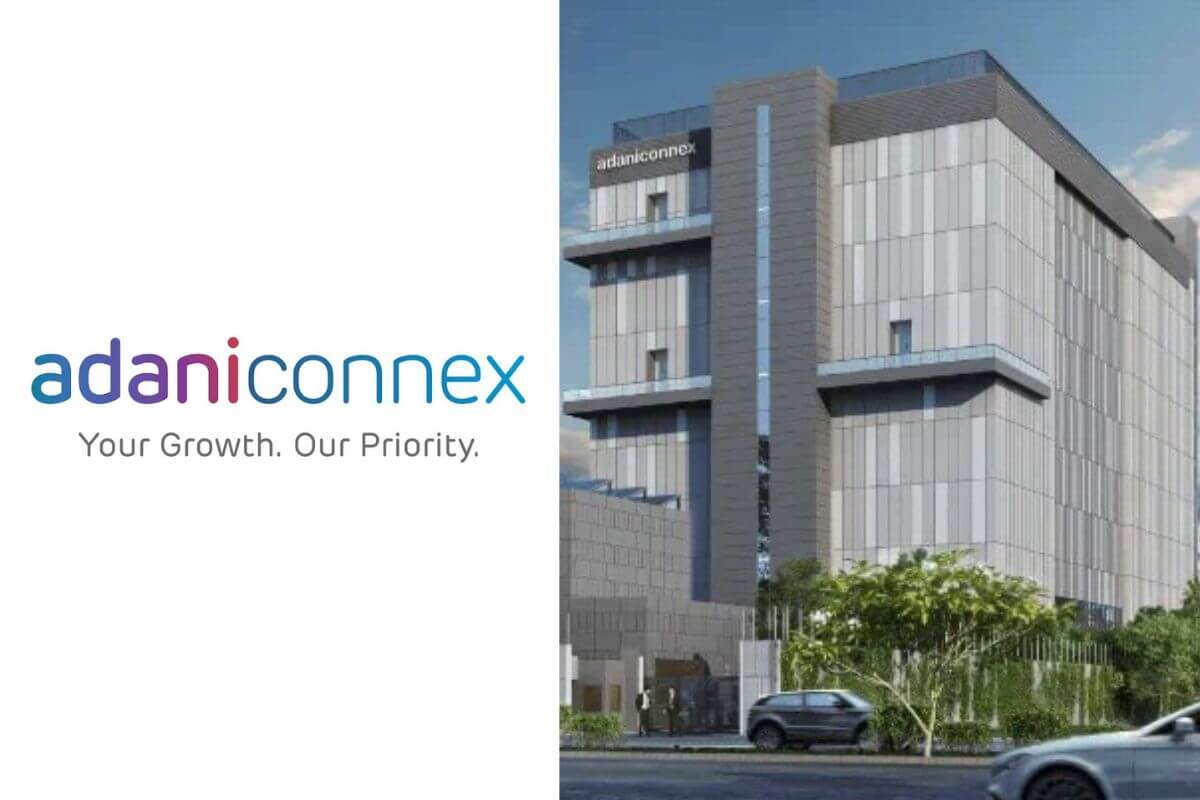
DE-CIX India has expanded its interconnection presence in Chennai by establishing a new point of presence (PoP) at the AdaniConneX Chennai 1 data center. This aims to improve connectivity for networks, content providers, cloud platforms, and companies operating in or connecting through the city.
- Make Telecom Talk My Trusted Source



Key Highlights
- DE-CIX India expands its footprint with the establishment of a new point of presence (PoP) at Adani ConneX in Chennai
- This development adds another element to the city’s digital infrastructure growth.
- India is seeing growth in data center establishment, and more data center sites may be added soon.



AdaniConneX New Data Center Inaugurated Today
The updated PoP makes DE-CIX’s Internet Exchange facilities available at the AdaniConneX Chennai 1 site. Internet exchanges allow different networks to swap traffic directly, reducing the need to route data through multiple intermediaries.
This improves network efficiency, lowers latency, and provides more direct connectivity for customers.
Also Read: Airtel Business and ITI Limited Partner to Accelerate India’s Digital Transformation
This is becoming increasingly important as a center for India’s digital infrastructure, serving as a major connectivity hub thanks to its network of data centers and subsea cable facilities.
The Chennai 1 site, operated by AdaniConneX, is located in the SIPCOT IT Park and is designed as a multi-tenant data center. The facility can support a 33 MW IT load and provides access to terrestrial fiber connectivity from major telecom operators.
For businesses providing digital services, greater speed and higher connection reliability are increasingly important.
The growing use of cloud applications, video streaming, AI services, and other data-intensive platforms drives demand for high-capacity networks and low-latency connectivity.