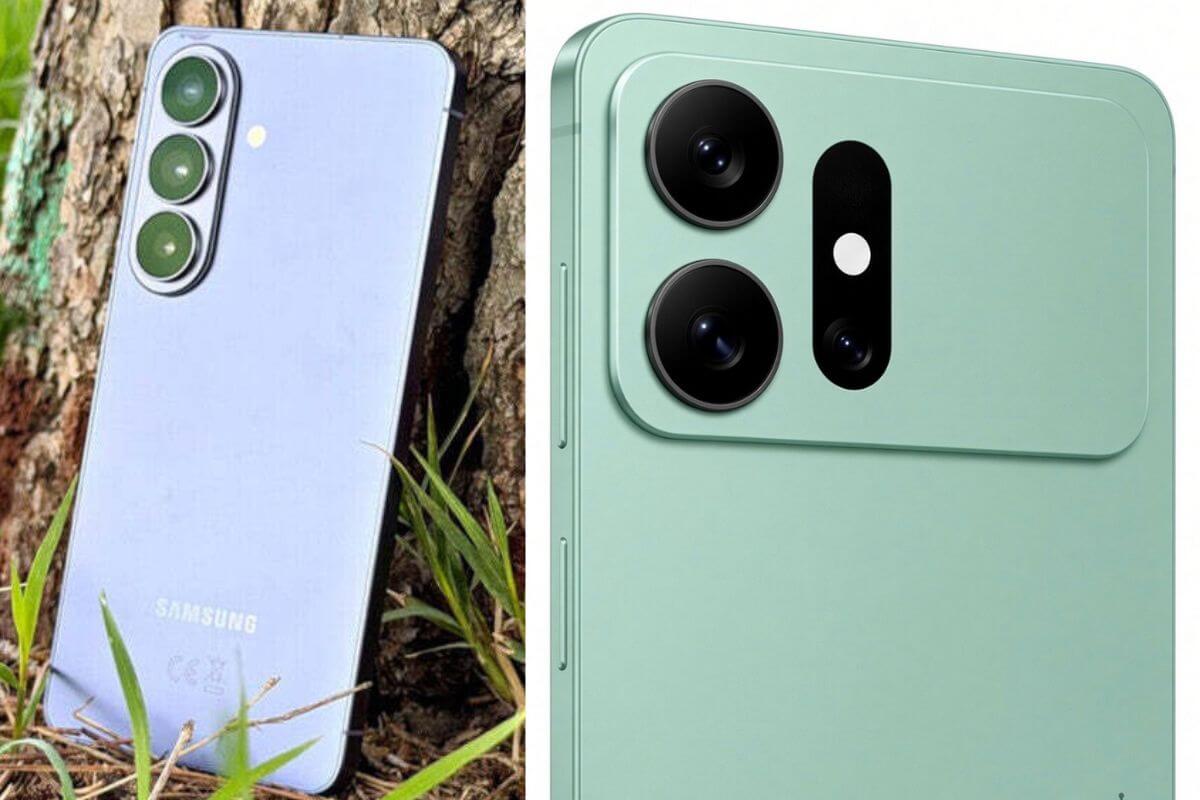
Samsung Galaxy S27 to Get a New Design With Exynos 2700
Samsung could use the recently developed Samsung Exynos 2700 chipset to power its next-generation Galaxy S27 flagship, which will include four new smartphones: the Galaxy S27, Galaxy S27 Plus, Galaxy S27 Pro, and Galaxy S27 Ultra. The Pro and Ultra variants will also get a new design. Here is what we know so far:
Samsung is gearing up to launch the next Galaxy S27 soon
Ahead of the Galaxy S27 launch, we have insider information about the new flagship's specifications and features. It is speculated to use the new Exynos 2700 chipset instead of the Snapdragon 8 Elite Extreme Gen 6 processor.
Samsung’s Exynos 2700 chipset has reportedly entered mass production, with the launch scheduled for December 2026.
Highlights
Samsung is gearing up to launch the next Galaxy S27 soon
Ahead of the Galaxy S27 launch, we have insider information about the new flagship's specifications and features. It is speculated to use the new Exynos 2700 chipset instead of the Snapdragon 8 Elite Extreme Gen 6 processor.
Samsung’s Exynos 2700 chipset has reportedly entered mass production, with the launch scheduled for December 2026.
Leaks about the Samsung Galaxy S27 Ultra have surfaced online, revealing details about the new design and chipset. These leaks suggest Samsung may shift back to the Exynos chipset with the new Exynos 2700, after Samsung Electronics Device Solutions (DS) announced a major benchmark win: the Exynos 2700 edged out the Qualcomm Snapdragon 8 Elite Gen 6 in performance and efficiency. Amid memory price hikes and shortages, Samsung is expected to power the new Galaxy S27 lineup with the Exynos 2700.
Make Telecom Talk My Trusted Source
Key Highlights
Samsung Galaxy S27 series new specifications and design details appear online ahead of the launch.
Samsung is set to launch four new models for the Galaxy S27 series: the base Galaxy S27, a Galaxy S27 Plus variant, and the top-end Galaxy S27 Pro and Galaxy S27 Ultra.
Samsung Galaxy S27 Pro and Galaxy S27 Ultra will likely get a new design. The Galaxy S27 and Galaxy S27 Plus will use the same chassis as last year, with new hardware.
Apart from the chipset, Samsung will refresh the design of the top two Galaxy S27 phones, the Galaxy S27 Pro and Galaxy S27 Ultra, while the base Galaxy S27 and Galaxy S27 Plus will keep the same design.
Overall, the 2027 Galaxy S27 series will include four variants: The Galaxy S27 5G, the Galaxy S27 Plus 5G with a bigger screen, and the top-end flagship models, the Galaxy S27 Pro and Galaxy S27 Ultra 5G.
New leaks about the Samsung Galaxy S27 series have surfaced online, pointing to a possible new chipset from Samsung’s chipset division called Exynos 2700.
Samsung Electronics Device Solutions (DS) took over the internet with benchmark testing of the chipset, comparing it to the Xiaomi 18 Pro Max, which packs a Qualcomm Snapdragon 8 Elite Extreme Gen 6 processor.
The newly leaked benchmark tests revealed that Samsung’s Exynos 2700 took an edge in terms of CPU benchmark results, where, on paper, the Exynos 2700 shows a 20% higher score versus the Qualcomm Snapdragon 8 Elite Extreme Gen 6, and the Exynos 2700 also took a slight lead by 5% as per the 3DMark Test.
Even Samsung has seen considerable improvement in terms of efficiency with the new Samsung Exynos 2700 chipset, where reports claim Samsung has also started the mass manufacturing of the Exynos 2700 chipset that is developed under the SF2p process in 2nm architecture, while Qualcomm Snapdragon 8 Elite Extreme Gen 6 uses TSMC’s 2nm based N2p process.
These are the reasons, and amid the ongoing memory shortage, Samsung’s mobile division, the Samsung MX Experience, has even more reason to go with an Exynos 2700-powered Galaxy S27 model.
However, this new chipset will reach fewer price-sensitive markets, such as India.
With the Exynos 2700, Samsung could lower the price of the Galaxy S27 models, making it a tougher call against Apple’s iPhone 18 Pro models and even the upcoming iPhone 18, set to launch alongside the Galaxy S27 models.
In GPU performance, the Samsung Exynos 2700 scores 20% higher than the Qualcomm Snapdragon 8 Elite Extreme Gen 6 processor, a major victory for Samsung Electronics Device Solutions.
Samsung Set to Change its Old Boring Design From This Year
For almost half a decade, Samsung has used the same design across the Galaxy S models.
Using the same chassis could have saved Samsung a lot of money, but now that smartphones like Apple and OnePlus are moving to a new design, it’s time for Samsung, too!
Among the four Galaxy S27 flagships, the top-end Galaxy S27 Pro and Galaxy S27 Ultra will get a new design: a rectangular rear module with dual circular cameras and a pill-shaped module with more sensors. The Galaxy S27 Plus and Galaxy S27 will keep the same design.
The Exynos 2700 is speculated to launch in December 2026. Samsung is expected to launch the Galaxy S27 flagships in the last week of February or the first week of March 2027.
A small group of TelecomTalk readers helps keep this platform running. Support us if you find our work valuable.
FAQs
What are the major upgrades expected in the Samsung Galaxy S27 series?
The Samsung Galaxy S27 series is expected to feature the new Exynos 2700 chipset and a refreshed design for the top-end Galaxy S27 Pro and Galaxy S27 Ultra models.
Which processor is expected to power the Samsung Galaxy S27 series?
Samsung is reportedly considering the Exynos 2700 chipset for the Galaxy S27 lineup. Processor availability may vary by market and model.
What is the Exynos 2700 chipset?
The Exynos 2700 is Samsung's rumoured next-generation flagship processor. It is being developed using Samsung's SF2p 2nm manufacturing process.
How does the Exynos 2700 compare with the Snapdragon 8 Elite Gen 6?
Leaked benchmark figures reportedly show the Exynos 2700 leading in CPU performance and some GPU tests over Qualcomm's Snapdragon 8 Elite Gen 6.
Is the Samsung Exynos 2700 better than Qualcomm's next-generation flagship chipset?
Early leaked benchmark results suggest the Exynos 2700 could outperform the Snapdragon 8 Elite Gen 6 in some tests. Real-world performance, battery efficiency, and thermal management will need to be evaluated after the chips and phones are officially released.
 Support Telecomtalk