India Smartphone Shipments Fall, Samsung Regains Lead
India’s smartphone shipments fell 20% in Q3 2026 as rising prices and weaker demand affected the market. Samsung regained the lead with a 17% share, while the affordable segment faced a sharp 47% decline. Here is what we know so far:
India’s smartphone market has slowed significantly, with sales down in the July to September 2026 quarter. Higher smartphone prices and expensive memory are making it harder for people who want to buy affordable smartphones. Research shows smartphone sales dropped 20% compared with the same period last year.
Make Telecom Talk My Trusted Source
Key Highlights
India smartphone shipments declined 20% year-on-year in Q3 2026.
Samsung reclaimed the top position with a 17% market share.
Shipments of smartphones priced below Rs20,000 fell 47%.
Samsung, however, did the opposite. These numbers point to a festive season for smartphone manufacturers even as premium smartphones continue to attract attention. Here what it means to you:
India Smartphone Shipments Fall, Samsung Regains Lead
India’s smartphone market contracted in the third quarter of 2026 as rising smartphone prices and cautious consumer spending weighed on shipments. According to Counterpoint Research, smartphone shipments fell 20% year‑on‑year between July and September, reaching the lowest third‑quarter level in ten years.
The slowdown comes as the festive season traditionally boosts smartphone sales. However, higher memory prices and rising smartphone costs appear to have made consumers more selective about upgrading.
Samsung emerged as the beneficiary of the changing smartphone market conditions, reclaiming the top position in India after nine quarters. Samsung secured a 17% smartphone market share, while several competing brands struggled to maintain shipment volumes.
Samsung Regains India’s Smartphone Market Lead
Samsung came back to the top spot in India’s smartphone market in Q3 2026, according to Counterpoint Research’s tracker. Samsung captured a 17% share of smartphone sales, driven by its Galaxy A phones and a steady store presence.
The Galaxy A phones kept driving sales, while Samsung’s top-line phones helped it stay strong in price categories. Samsung’s careful price increases and component cost management helped it beat the broader smartphone market.
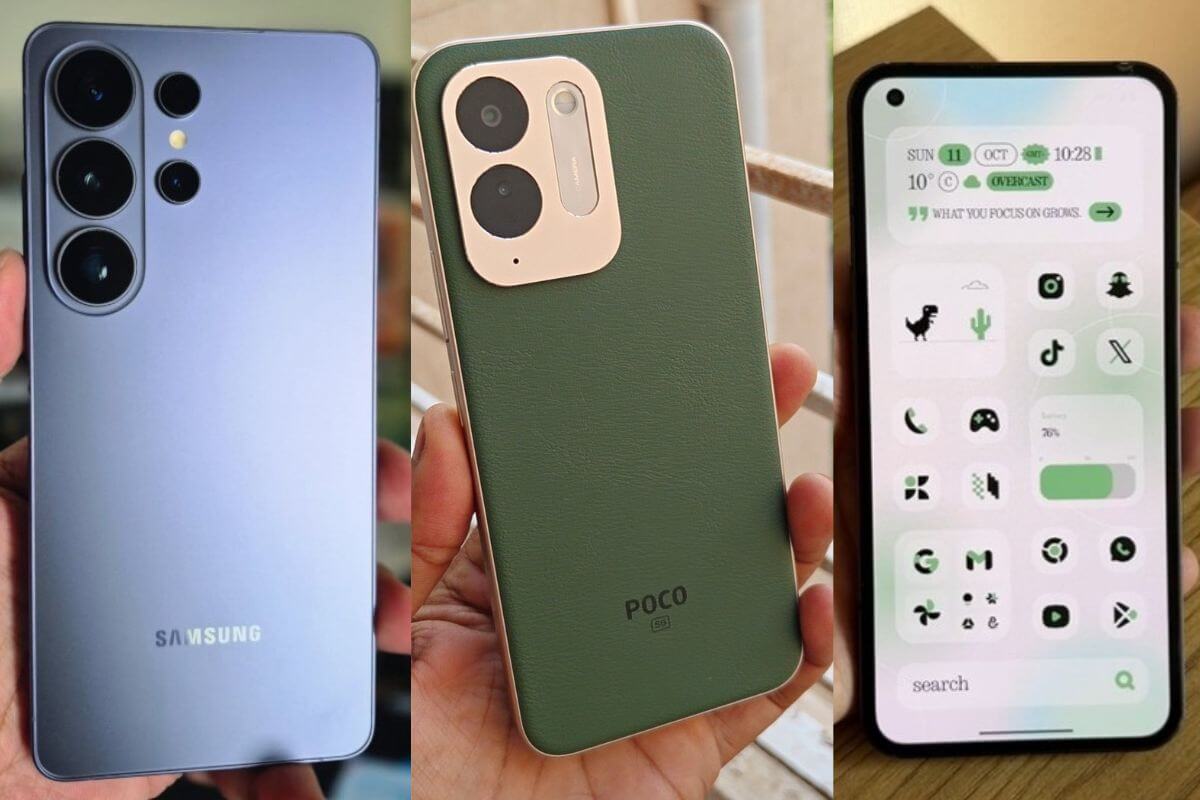
Vivo, excluding iQOO, came in second with a 16% share of smartphone sales. Xiaomi, with POCO, followed with a 12% share. These numbers show how close the leading smartphone brands are fighting as the overall market shrinks.
Counterpoint also found that AI+ smartphones grew the fastest during the quarter, with sales up 306% year-on-year. This growth came from adding products and reaching a wider market.
Budget Smartphones Face the Biggest Pressure
A worrying trend for India’s phone industry is the drop in sales of cheap phones. Counterpoint said that sales of phones priced under Rs20,000 fell 47 % year‑on‑year in Q3 2026.
Higher component costs have pushed some phones into higher price brackets, making it harder for manufacturers to keep their usual value‑for‑money promise. Customers are also keeping their phones longer instead of buying new ones right away.
This trend could hit brands that rely heavily on budget and mid‑range phones to drive sales volume. Manufacturers may need to rethink their phone lineups, prices and deals to keep phones affordable.
The pressure shows up in how companies handle inventory. Instead of stocking up a lot before big sales, some manufacturers have said they are managing inventory more tightly and protecting profit margins.
Why Smartphone Prices Could Rise
Memory parts have become a cost pressure for phone makers. As these costs rise, phone brands must choose between absorbing the cost, cutting features, or raising prices for customers.
Counterpoint expects smartphone makers to raise prices again after the festive season sale. This could squeeze affordability, especially for buyers looking for smartphones below Rs15,000 or Rs20,000.
The research firm expects India’s smartphone market to shrink by around 13% in 2026. The outlook for 2027 also remains challenging, with smartphone prices and longer replacement cycles likely to affect demand.
For consumers, this could mean attractive upgrades at familiar price points. Exchange offers no‑cost EMI plans, and retailer discounts may become increasingly important in helping buyers manage smartphone costs.
India’s smartphone market is therefore entering a period where manufacturers may need to focus less on shipment growth and more on convincing consumers that an upgrade is worth the expense.
 Support Telecomtalk