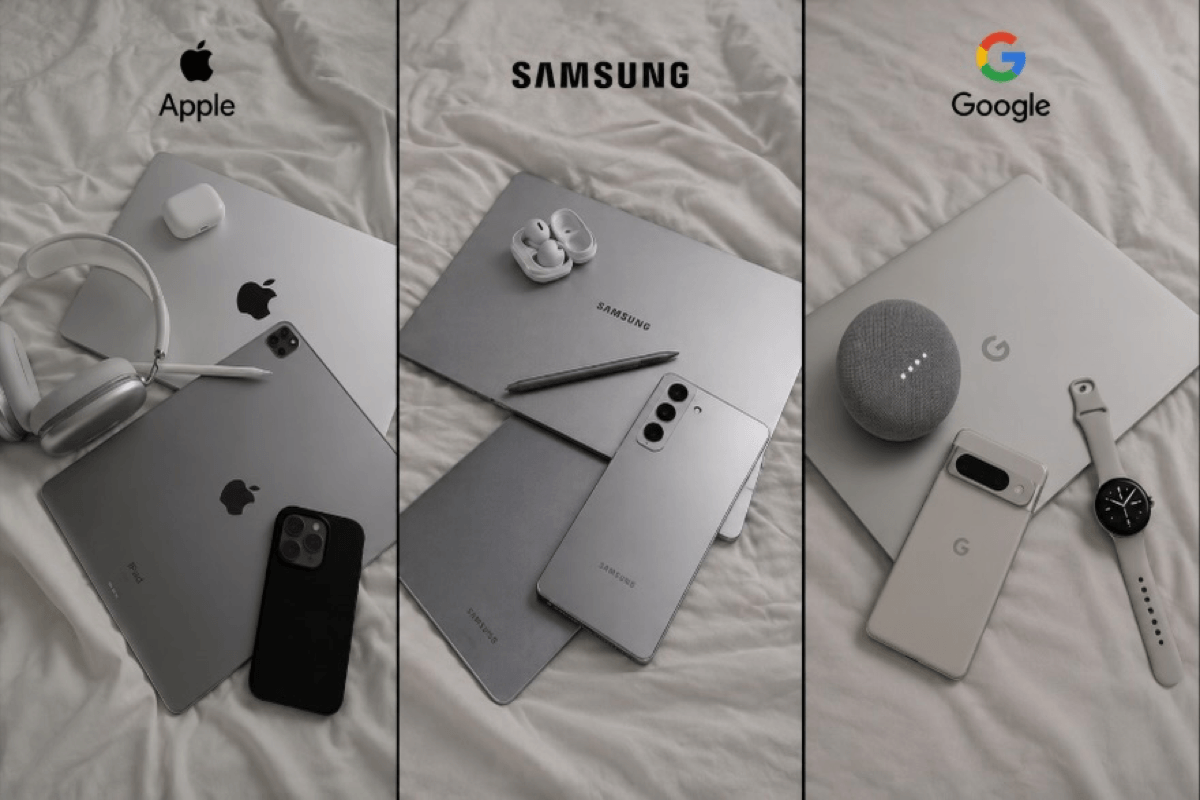
Apple, Samsung and Google are competing to make their devices work better together. From smartphones and tablets to laptops, earbuds and smartwatches, each company offers a connected ecosystem. Apple is known for the close integration among the iPhone, Mac, iPad, and Apple Watch.
Samsung combines Galaxy phones and tablets with Windows laptops, Galaxy Buds and SmartThings. Google brings Android, Pixel devices, Chrome, Google Home and its growing range of connected products.
But a good ecosystem is about more than having devices from the same brand. It also depends on how easily users can share files, switch between devices, and manage everyday tasks.
The Apple ecosystem is arguably the most seamless when users own Apple devices.
Features such as AirDrop, Handoff, Universal Clipboard, and iCloud let users move between an iPhone, Mac, and iPad with minimal setup. You can copy an item on an iPhone and paste it on a Mac, while AirDrop makes sharing photos and files between Apple devices straightforward. Handoff also lets users continue supported activities on another device.
Apple’s strength is its consistency. Apple designs its devices to work together, and many features work out of the box without extra apps or manual setup.
Its Watch, AirPods, and Mac can complement an iPhone, from notifications and calls to audio switching.
However, this experience is most complete when users stay within Apple’s product range. Mixing in Windows laptops or Android phones can make some workflows less convenient. Apple devices often cost more.
Also Read: Apple iPhone Duo Shortage Fuels India’s Grey Market
Samsung
Samsung offers a flexible approach, particularly for users who want a connected Android experience without giving up Windows.
Galaxy phones, tablets, Galaxy Buds and Galaxy Watches can work together through features such as Quick Share, Samsung Flow and Multi Control on supported devices.
Samsung DeX can also turn Galaxy phones and tablets into a desktop-style workspace, making it useful for productivity and multitasking.
Another advantage is Samsung’s SmartThings platform, which connects smart home products across different categories.
Its ecosystem isn’t limited to Samsung-branded hardware, although the experience and available features depend on the devices involved.
Samsung also benefits from Android’s flexibility, allowing users to customize their phones and choose their services. The trade-off is that some features require Galaxy devices, compatible software versions, or additional setup.
Google
Google’s ecosystem focuses on services such as Gmail, Google Photos, Drive, Chrome, Maps, and Google Home that many people already use. Pixel phones, Pixel Buds, and Pixel Watches add hardware integration, while Android and ChromeOS link phones, tablets, and computers. Features such as Quick Share and cross‑device services help users share files and connect devices.
Google’s biggest advantage is that its services are available across a range of hardware.
Users don’t necessarily need a Pixel phone or a Chromebook to benefit from Google Photos, Drive, or Chrome synchronization.
This makes Google a practical choice for people who use devices from different manufacturers. However, the overall experience can feel less unified than Apple’s, especially when different brands implement Android features.
Conclusion – Which Ecosystem is Best?
No single option is best for everyone. Apple suits people who value simplicity and already own a Mac, iPad, or Apple Watch.
Samsung suits users who want Android flexibility, productivity features, and a broad ecosystem of connected devices. Google is particularly appealing to people who rely on cloud services and want their data and applications to work across brands.
Also Read: Why Smartphones Could Become More Expensive Again
Ultimately, the better ecosystem is the one that fits the devices you already own. The tasks you perform most often.
A smooth file transfer, reliable notifications, or easy access to photos can matter more than the number of products a company sells.
Before investing in an ecosystem, buyers should consider compatibility, software support, cost, and the difficulty of switching platforms later.
Image Credits: (X- @BabaDev_)
Found this useful? You can support us.
FAQs
Which ecosystem offers the most seamless experience?
Apple is often considered the most seamless when users own multiple Apple devices, thanks to features such as AirDrop, Handoff and Universal Clipboard.
Is Samsung’s ecosystem better for productivity?
Samsung can be a strong option for productivity, particularly for users who value Galaxy device integration, Multi Control and DeX on supported devices.
Can Google services work across different brands?
Yes. Services such as Google Photos, Drive, Gmail and Chrome work across many Android, iOS and computer platforms.
Do users need to buy every device from one brand?
No. Many ecosystem features work across brands, but some advanced integrations require specific devices, software versions or compatible accessories.
Which ecosystem is best for someone switching phones?
Google services can make switching between Android brands relatively straightforward. Moving between Apple and Android may require more effort to transfer data and adjust to different services.
 Support Telecomtalk