Support Telecomtalk






Highlights
- More than 1.40 lakh rural Branch Post Offices will support data collection through Gramin Dak Sevaks.
- The survey will evaluate services provided by Airtel, Jio, Vodafone Idea, and BSNL.
- A TRAI-developed Android application will be used for field-level network assessments.

Andrew Bonwick
Vice President of Product Development at Relm Insurance

Madhav Sheth
CEO of Ai+ Smartphone

Stephen Rose
CEO Render Networks



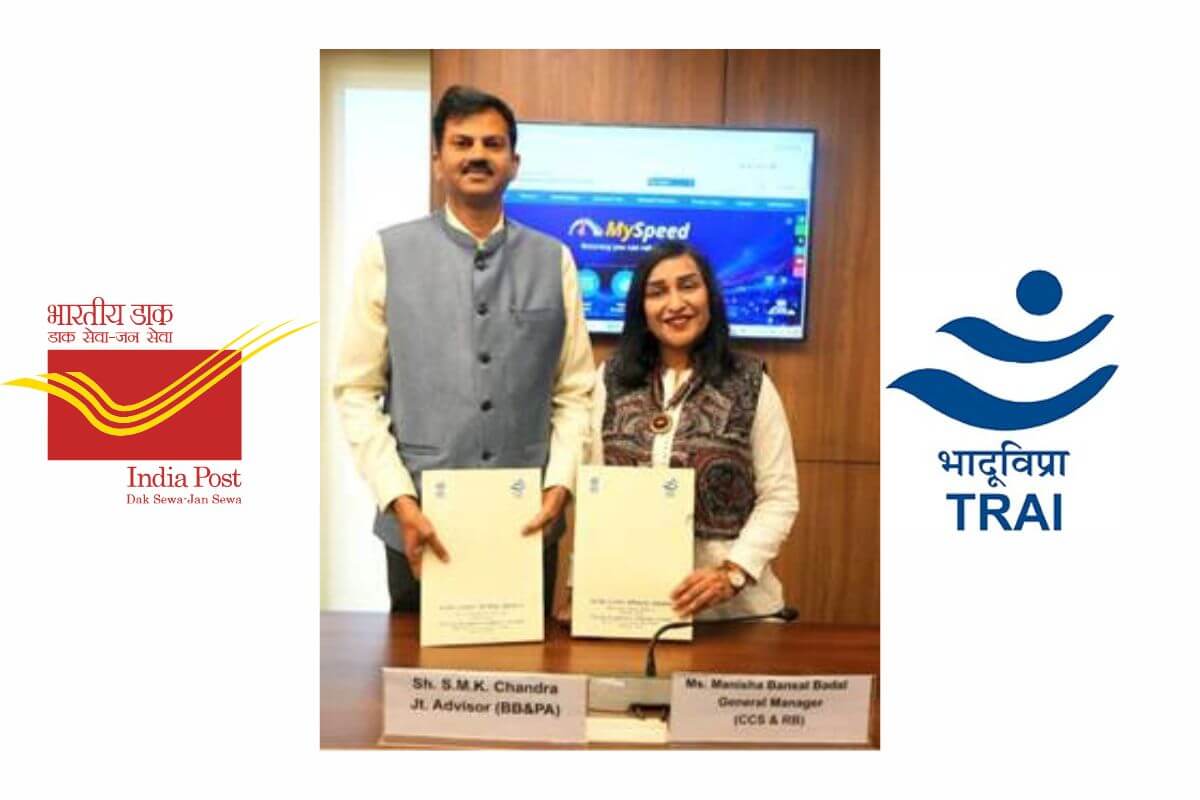
In a major push to strengthen rural digital connectivity under the Digital India initiative, the Department of Posts (DoP), Ministry of Communications, and the Telecom Regulatory Authority of India (TRAI) signed a Memorandum of Understanding (MoU) to conduct a nationwide app-based survey of mobile network performance across more than 5.68 lakh villages. The survey will assess the services of Bharti Airtel, Reliance Jio, Vodafone Idea (Vi) and BSNL, with an aim to identify connectivity gaps and improve telecom infrastructure in rural India.
- Make Telecom Talk My Trusted Source



Nationwide Rural Survey to Assess Mobile Connectivity
The MoU was signed in New Delhi by Manisha Bansal Badal, General Manager (Citizen Centric Services & Rural Business), Department of Posts, and S.M.K. Chandra, Joint Advisor (Broadband & Policy Analysis), TRAI, in the presence of senior officials from both organisations. The initiative is being undertaken under the leadership of Union Minister for Communications and Development of North Eastern Region Jyotiraditya M. Scindia, according to an official release issued by the Ministry of Communications on July 10, 2026.



Gramin Dak Sevaks to Collect Field-Level Data
The survey will leverage the Department of Posts’ network of over 1.40 lakh rural Branch Post Offices. Gramin Dak Sevaks (GDSs) will collect field-level data during their routine delivery operations using a specially developed Android-based mobile application created by TRAI. The exercise will cover villages across all States and Union Territories and is expected to provide comprehensive data on mobile network performance.