 Support Telecomtalk







Andrew Bonwick
Vice President of Product Development at Relm Insurance

Madhav Sheth
CEO of Ai+ Smartphone

Stephen Rose
CEO Render Networks



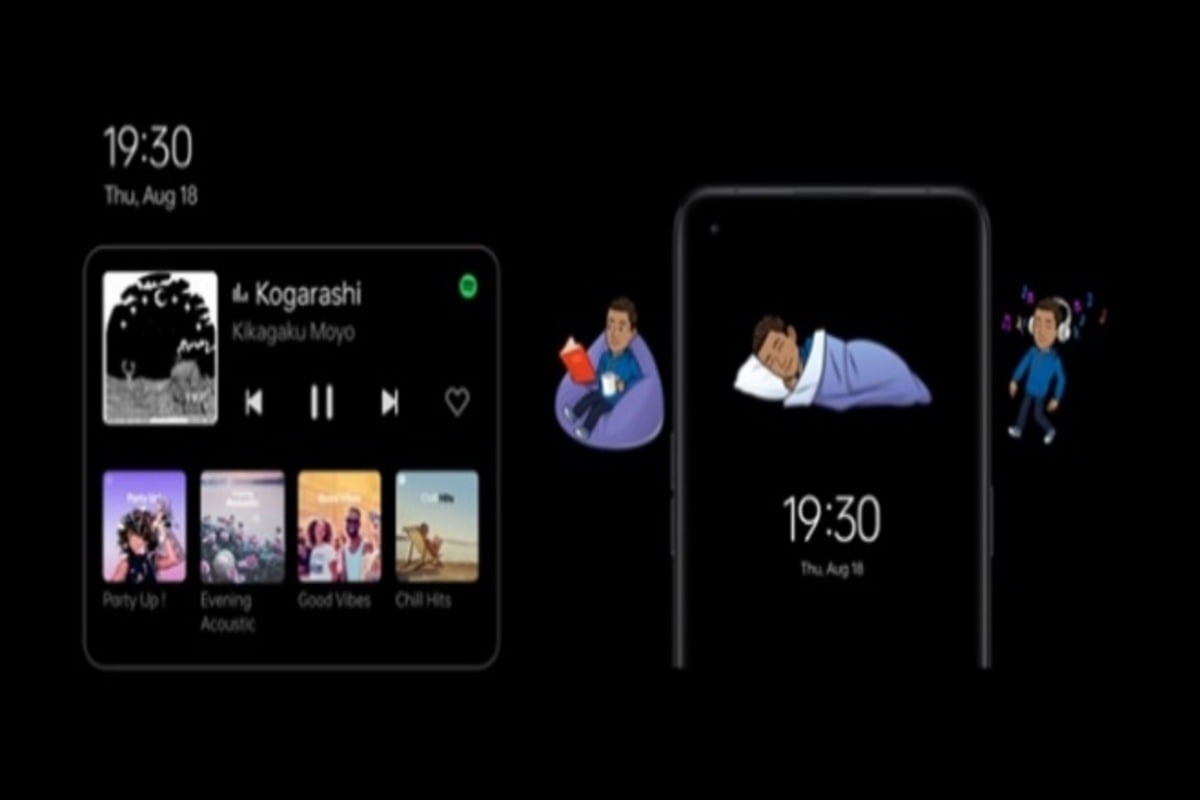
The newest version of ColorOS, called ColorOS 13, has just been released by OPPO. It is based on the Android 13 operating system, which Google released a few weeks ago. OPPO’s latest proprietary software replaces ColorOS 12. With its Aquamorphic form and clever multi-device connections, it offers a revitalising user interface (UI) experience. Significant enhancements to ColorOS 13 are made possible by the patented Dynamic computing engine, including longer battery life, an eco-friendly Always-On Display, and the capacity to run more open programmes in the background.
- Make Telecom Talk My Trusted Source



Some OPPO smartphones, including the Reno8 Pro 5G, Reno8 5G, and K10 5G, now officially support ColorOS 13. While the Reno7 series, F21 Pro 5G, Reno6 series, F19 Pro+, A96, and A76 are just a few of the devices that are now under the beta rollout phase. Here in this article, we will look at the top 5 features of the new OS that will change your smartphone experience.
Multi-Screen Connect
The enhanced multi-device user experience is one of ColorOS 13‘s most important upgrades. Through file transfer that supports additional file formats without hardware restrictions, Multi-Screen Connect now offers seamless connectivity between OPPO smartphones and OPPO Pad Air as well as OPPO smartphones and PC. This increases productivity and convenience. Multiple mobile apps can be shown on the PC screen at once for users who connect their smartphone to a computer via Multi-Screen Connect.
Dynamic Computing Engine
The new system-level technical solutions from OPPO were created in-house and are intended to give a smoother, more stable system and enhance user experience generally. With the engine, ColorOS 13 gains longer battery life and the capacity to run more applications in the background. The Dynamic Computing Engine from OPPO achieves a better balance between high performance and low power consumption to optimise the scheduling of hardware resources to prolong battery life. Additionally, it aids in maintaining more apps active in the background, enabling seamless switching between various apps.






























