Support Telecomtalk




Highlights
- Wi-Fi 6 was legally allowed in India by the telecom department earlier this year.
- The Department of Telecommunications (DoT), and Ministry of Communications (MoC) de-licensed the lower 6 GHz band, clearing the path for Wi-Fi 6 and Wi-Fi 7 in India.
- Many routers in Indian homes are not even Wi-Fi 6 compatible.

Andrew Bonwick
Vice President of Product Development at Relm Insurance

Madhav Sheth
CEO of Ai+ Smartphone

Stephen Rose
CEO Render Networks


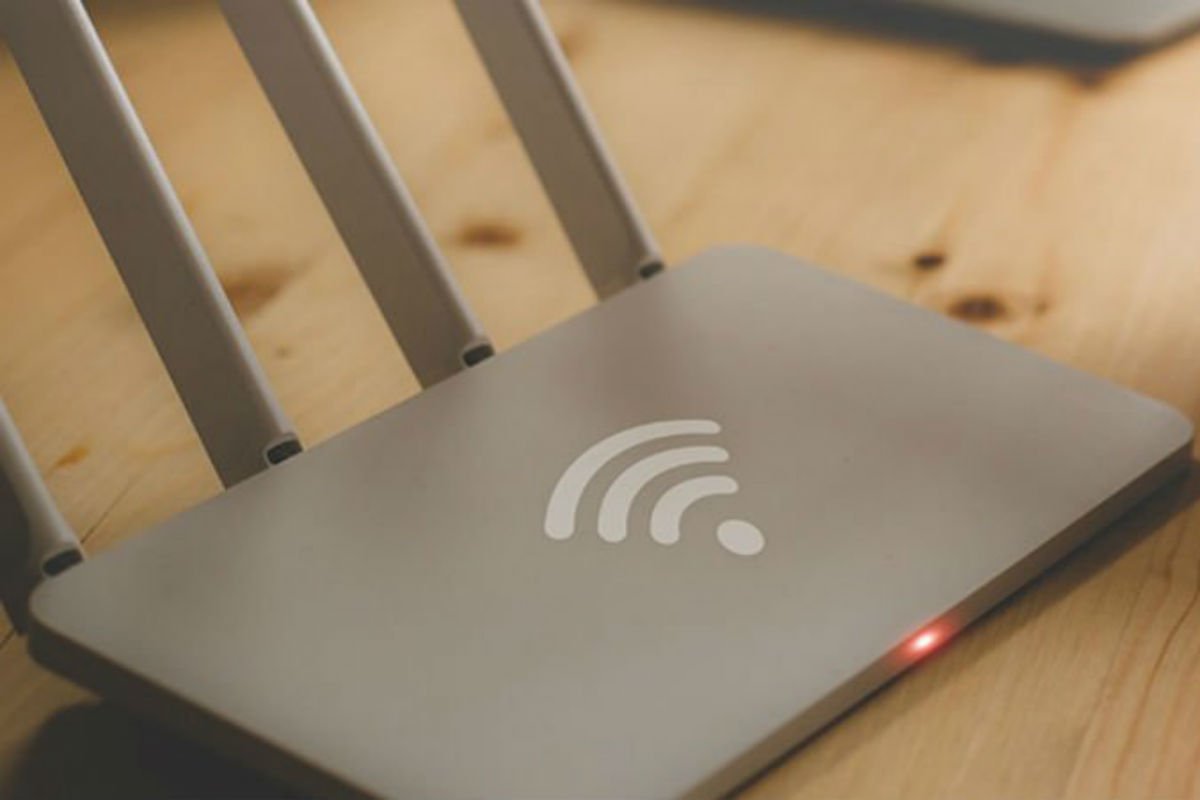
Wi-Fi 6 was legally allowed in India by the telecom department earlier this year. The Department of Telecommunications (DoT), and Ministry of Communications (MoC) de-licensed the lower 6 GHz band, clearing the path for Wi-Fi 6 and Wi-Fi 7 in India. Many routers in Indian homes are not even Wi-Fi 6 compatible. But even the ones that are compatible, are not really delivering to the potential of Wi-Fi 6, and there’s a reason for that.
- Make Telecom Talk My Trusted Source



Ookla, a network intelligence and insights company, recently shared that 72.2% of Indian phones which support Wi-Fi 6 still connect through the older routers at home.


No Major Gain While Jumping from Wi-Fi 5 to Wi-Fi 6
According to the data, upgrading from Wi-Fi 5 to Wi-Fi 6 is not yeilding any major gains for consumers in download speed. This is because 72.4% of the broadband connections are still testing under 100 Mbps. However, if the consumer is upgrading from Wi-Fi 4 to Wi-Fi 5, that yields a 99% median gain for Indian homes.
Even eight months after the announcement of permission for 6 GHz band usage for Wi-Fi, the usage in India still remains at 0.1% or less, said Ookla in its recent report in the country.
The routers need an upgrade in the country. At present, when you purchase a Wi-Fi connection from either Jio or Airtel, the top ISPs (Internet Service Providers), you get a Wi-Fi router bundled. This means, by default you do not have the choice to choose the connection’s router. However, you can always upgrade to a new router by purchasing it from the market.