 Support Telecomtalk







Andrew Bonwick
Vice President of Product Development at Relm Insurance

Madhav Sheth
CEO of Ai+ Smartphone

Stephen Rose
CEO Render Networks



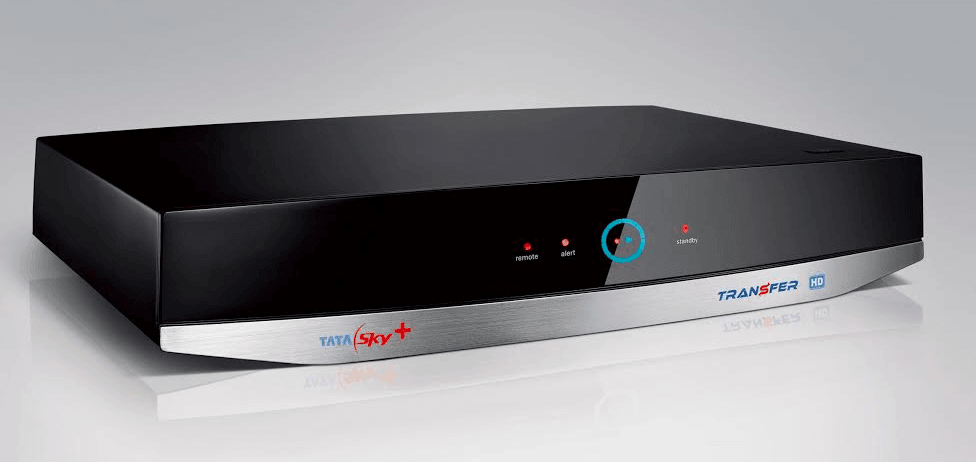
TataSky a joint venture between the Tatas and the UK-based British Sky Broadcasting Group has now completed its transition from MPEG2 to MPEG4 compression standard for its DTH broadcasting. TataSky along with Dish TV was one of the early entrants in the DTH industry and at that time MPEG2 was the readily available compression standard while MPEG4 was under development.
- Make Telecom Talk My Trusted Source






Newer entrants like Reliance digital TV, Videocon d2h and Airtel digital TV adopted the MPEG4 standard from the beginning. TataSky had a space constraint of 12 transponders on Insat-4A and was unable to add new channels without taking a bold step of upgrading the compression standard to MPEG4. TataSky in a phased manner kept shifting groups of channels to the newer compression standard and kept replacing the older set top boxes with newer ones. After an investment of over 1000 crores and replacing over 6 million old set top boxes, the operator has finally completed the upgradation process.
This move comes in Just before its alleged shift of operations from the older Insat-4A to the newer Gsat-10 which is scheduled to happen after Diwali. Currently 11 of the 12 transponders used by TataSky are on DVB-S2 standard which can accommodate approximately 48 SD channels with MPEG4 compression while one transponder is on DVB-S standard which can accommodate only 24 SD channels with MPEG4 compression. After this complete transition, the operator is expected to upgrade the remaining transponder to the DVB-S2 standard to add to the total available capacity. The operator uses an even newer standard of compression called HEVC for its 4K content broadcasting.