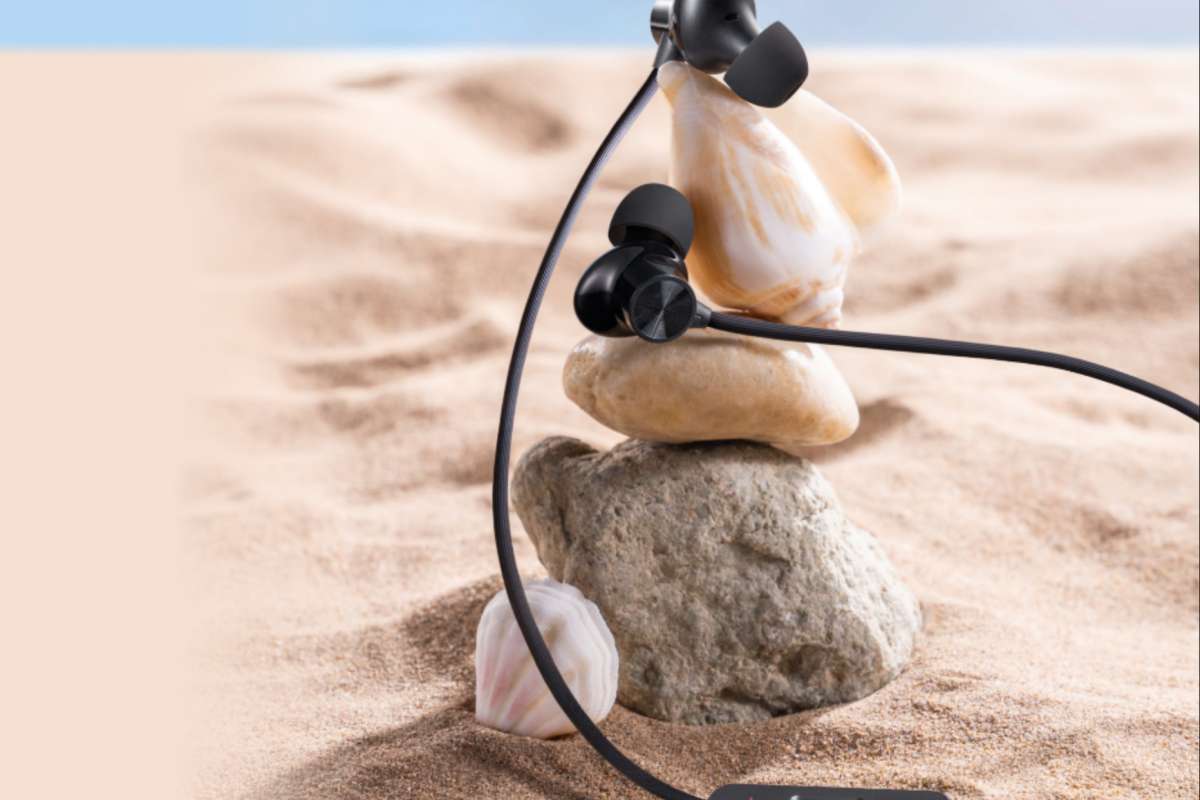
Once dismissed as a relic of the pre-AirPods era, wired earphones are attracting renewed attention as consumers rediscover the value of simplicity, reliability, affordability, and a listening experience that does not depend on batteries. Not very long ago, wired earphones appeared to be heading towards extinction as smartphone brands steadily removed the 3.5mm headphone jack from their devices and encouraged consumers to embrace wireless audio, the industry’s direction seemed firmly set.
Products such as Apple’s AirPods transformed wireless earbuds from a premium accessory into an everyday gadget, while improvements in Bluetooth technology made cable-free listening more convenient than ever before. For several years, it seemed only a matter of time before wired earphones would become a niche product used primarily by audiophiles and a shrinking group of loyal users who simply preferred the old way of doing things.
That prediction, however, has not entirely come true while wireless earbuds continue to dominate the market and remain the preferred choice for millions of consumers, wired earphones have quietly started finding their way back into the conversation.
The renewed interest has become increasingly visible across social media discussions, technology forums, and consumer culture, where a growing number of users are questioning whether the shift towards wireless audio delivered as many advantages as the industry promised the trend gained additional attention after technology creator Mrwhosetheboss highlighted the phenomenon in a recent video, but the underlying reasons behind the resurgence run much deeper than a single viral moment.
What appears to be happening is less a rejection of wireless technology and more a reassessment of priorities after spending years chasing convenience, consumers are beginning to place greater value on reliability, simplicity, longevity, and overall value for money. In that context, wired earphones are no longer being viewed merely as outdated accessories from a previous era of smartphones. Instead, they are increasingly being recognised as practical devices that continue to solve everyday problems without demanding constant charging, software updates, or replacement every few years.
Years of Living With Wireless Earbuds Have Made Some Consumers Miss Simplicity
The popularity of wireless earbuds was built on solving genuine frustrations that consumers had lived with for years. Tangled cables, damaged connectors, and wires getting caught on bags or clothing were common complaints, making the arrival of wireless audio feel like a natural evolution.
As Bluetooth technology improved and manufacturers refined their products, wireless earbuds became smaller, smarter, and more reliable, while features such as active noise cancellation, transparency modes, and seamless device switching further strengthened their appeal. For many consumers, moving to wireless audio felt less like an upgrade and more like an inevitability.
Yet the longer consumers have lived with wireless products, the more they have become aware of the compromises that accompany that convenience. Batteries need charging, charging cases need carrying, and battery health inevitably declines over time many users have experienced the frustration of preparing for a journey, an online meeting, or a workout only to discover that their earbuds are running low on power.
Others have dealt with misplaced earbuds, unexpected Bluetooth issues, or devices that require troubleshooting when all they wanted to do was listen to music. While none of these inconveniences are serious enough to make people abandon wireless audio altogether, they have helped create a renewed appreciation for products that simply work the moment they are plugged in.
In a world where smartphones, smartwatches, laptops, tablets, and even smart rings compete for charging time and attention, the appeal of a device that requires no battery management is becoming easier to understand. Wired earphones may not offer the same freedom of movement, but they deliver something many consumers are beginning to value again: predictability.
Reliability Has Become More Valuable Than Many People Realise
Technology companies often compete by adding new features, but consumers do not always make decisions based solely on specification sheets. In many situations, reliability matters more than innovation a student attending an online lecture, a professional joining an important video call, a gamer relying on low-latency audio, or a content creator editing video footage all have one thing in common: they want their equipment to work exactly when needed.
This is where wired earphones continue to hold an advantage. A wired connection does not depend on battery levels, Bluetooth pairing, software compatibility, or wireless signal stability. It provides a direct connection that behaves in the same way every time it is used that consistency may not sound exciting in a marketing campaign, but it remains one of the reasons many consumers who own premium wireless earbuds still keep a pair of wired earphones nearby.
The importance of reliability becomes even more apparent during long journeys, workdays, or situations where access to charging is limited. A wired earphone can sit unused for months and still function immediately when required. In an age where many gadgets demand constant maintenance, that level of dependability continues to hold real value.
The Audio Quality Debate Never Really Disappeared
Wireless audio has improved dramatically over the past decade, and modern premium earbuds deliver a listening experience that would have been difficult to imagine just a few years ago. For most users, today’s wireless products provide more than enough quality for music, podcasts, videos, and calls.
Despite that progress, wired audio continues to enjoy a strong reputation among enthusiasts. Part of that reputation comes from the belief that a physical connection provides a more direct path between the source and the listener, avoiding some of the limitations associated with wireless transmission. Whether every listener can hear a meaningful difference remains a matter of debate, but the perception has remained remarkably persistent.
The rise of lossless and high-resolution music streaming services has also helped keep the discussion alive. As platforms increasingly market premium audio experiences, some consumers are revisiting wired solutions in search of the best possible listening quality. Even if the audience remains relatively small compared to the broader market, it is large enough to ensure that wired earphones remain relevant.
Rising Prices Are Making Wired Earphones Look Attractive Again
Another factor helping wired earphones regain attention is economics. Premium wireless earbuds have become increasingly sophisticated, but they have also become increasingly expensive. Flagship models from leading brands often cost well over Rs 20,000, placing them in the same price range as some mid-range smartphones.
While features such as active noise cancellation, adaptive audio, and spatial sound undoubtedly add value, not every consumer views them as essential. Many people simply want a reliable way to listen to music, watch videos, join calls, and attend online classes. For those users, spending a fraction of the price on a pair of wired earphones can feel like a far more practical decision.
Wired earphones also avoid one of the biggest long-term challenges facing wireless products: battery degradation. While wireless earbuds inevitably lose capacity over time and eventually need replacement, a well-maintained pair of wired earphones can continue working for years. That longevity adds another layer to their value proposition at a time when consumers are becoming increasingly conscious about technology spending.
Younger Consumers Are Helping Drive the Trend
Perhaps the most surprising aspect of the wired earphone resurgence is that it is not being driven solely by people who remember life before Bluetooth audio became mainstream. Younger consumers are increasingly contributing to the trend as well, reflecting a broader pattern that has emerged across several technology categories in recent years.
Technology trends rarely move in a straight line. Products that once seemed destined for history often find new relevance when consumer tastes shift. Vinyl records have experienced a remarkable revival, compact digital cameras have become popular again among content creators, and even flip phones have managed to build niche audiences despite years of predictions about their decline.
Wired earphones appear to be benefiting from a similar shift. For some younger consumers, they represent something different in a market where wireless earbuds have become almost universal. What was once dismissed as outdated technology is now being viewed as practical, distinctive, and even fashionable. Social media has amplified that perception, helping transform wired earphones from a forgotten accessory into something that feels unexpectedly current.
The Future Remains Wireless, but Wired Earphones Are Unlikely to Disappear
None of this suggests that wireless earbuds are about to lose their position at the centre of the personal audio market. Their convenience, portability, and integration with modern smartphone ecosystems ensure they will remain the preferred choice for most consumers for years to come.
What the renewed interest in wired earphones demonstrates, however, is that technology adoption is rarely as straightforward as industry trends sometimes suggest. Newer products do not automatically make older technologies irrelevant, particularly when those older technologies continue solving real problems in a simple and affordable way.
The story of wired earphones in 2026 is therefore less about nostalgia and more about practicality. After spending years in the shadow of wireless innovation, a technology that many assumed was slowly disappearing is once again attracting attention because consumers are reassessing what they truly value in everyday gadgets. While wireless earbuds continue to dominate sales, the growing interest in wired alternatives suggests that reliability, affordability, simplicity, and longevity still matter. Sometimes the technologies that endure are not necessarily the newest or the most advanced, but the ones that continue doing their job well long after the spotlight has moved elsewhere.
Some people read for free. A few choose to support. If you found TelecomTalk useful, you can help keep us running.
FAQs
Why are wired earphones becoming popular again?
Wired earphones are gaining attention because they offer reliability, simplicity, no charging requirements, lower costs, and consistent audio performance.
Are wireless earbuds losing popularity?
No. Wireless earbuds still dominate the market due to convenience and advanced features, but many consumers are now appreciating the practical advantages of wired alternatives as well.
What are the main advantages of wired earphones?
Wired earphones offer instant connectivity, zero battery dependency, low latency, stable audio quality, and long-term durability without battery degradation.
Why do some consumers prefer wired audio quality?
Many audio enthusiasts believe wired connections provide a more direct and stable audio experience, especially for lossless and high-resolution music streaming.
Are younger consumers also buying wired earphones?
Yes. Younger users are increasingly embracing wired earphones as a practical, affordable, and distinctive alternative in a market dominated by wireless products.
 Support Telecomtalk