Support Telecomtalk






Highlights
- Xiaomi is soon expected to launch the Xiaomi Pad 9.
- It will be the successor to the Xiaomi Pad 8.
- The Pad 8 was a hit for the brand and featured a large display and a powerful experience for the consumers.

Andrew Bonwick
Vice President of Product Development at Relm Insurance

Madhav Sheth
CEO of Ai+ Smartphone

Stephen Rose
CEO Render Networks



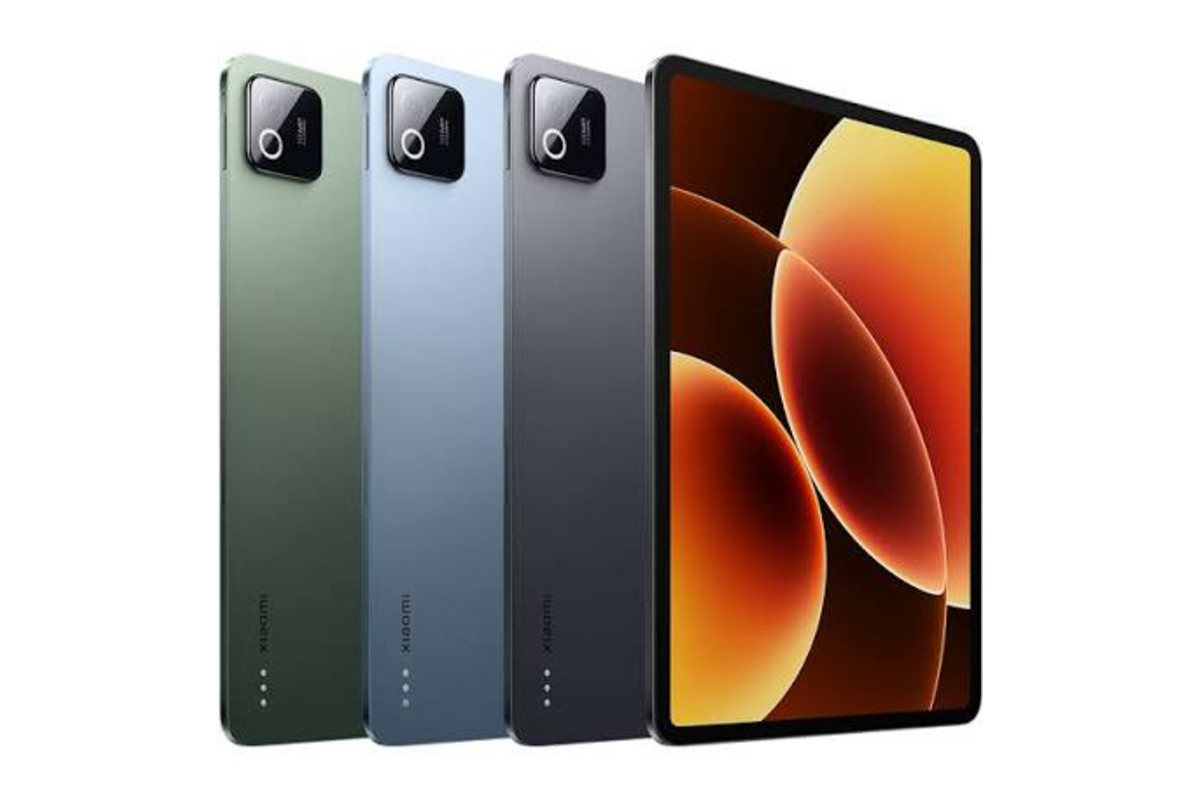
Xiaomi is soon expected to launch the Xiaomi Pad 9. It will be the successor to the Xiaomi Pad 8. The Pad 8 was a hit for the brand and featured a large display and a powerful experience for the consumers. The Xiaomi Pad 9 is expected to continue building on this. It is also expected to be powered by the Qualcomm Snapdragon 8 series chipset. The Xiaomi Pad 9 series is also expected to also bring the Pad 9 Pro for the users. It will offer a stronger performance than the standard model. The company has not yet confirmed these details. These are surfacing online.
- Make Telecom Talk My Trusted Source



Xiaomi Pad 9 to Boast a Bigger Battery than Pad 8
Xiaomi Pad 9 is expected to pack a larger battery than the Pad 8. For reference, the Pad 8 featured a 9200mAh battery as it launched earlier this year. The Pad 9 is expected to pack a 9720mAh battery. The Pad 8 was launched in India for a starting price of Rs 33,999 for the 8GB + 128GB variant. The Pad 8 also features 45W fast-charging support. The Pad 9 is expected to have even faster charging. The Pad 8 featured the Snapdragon 8s Gen 4 SoC, and the Pad 9 is also expected to feature a chip from the same family.



Xiaomi Pad 8 has a large 11.2-inch display with 3.2K resolution. We expect Xiaomi to continue bundling a high-resolution display on the device with the Pad 9 as well. There could be standard upgrades in the battery, chip and display of the tablet. Apart from that, we don’t expect much from Pad 9. However, the Pad 9 Pro could be more powerful than Pad 8. Whether there will be any design changes is something we don’t know. Xiaomi is expected to drop teasers about the product as and when it will launch it. We expect it to first come in China, and then to markets such as India.