 Support Telecomtalk







Andrew Bonwick
Vice President of Product Development at Relm Insurance

Madhav Sheth
CEO of Ai+ Smartphone

Stephen Rose
CEO Render Networks



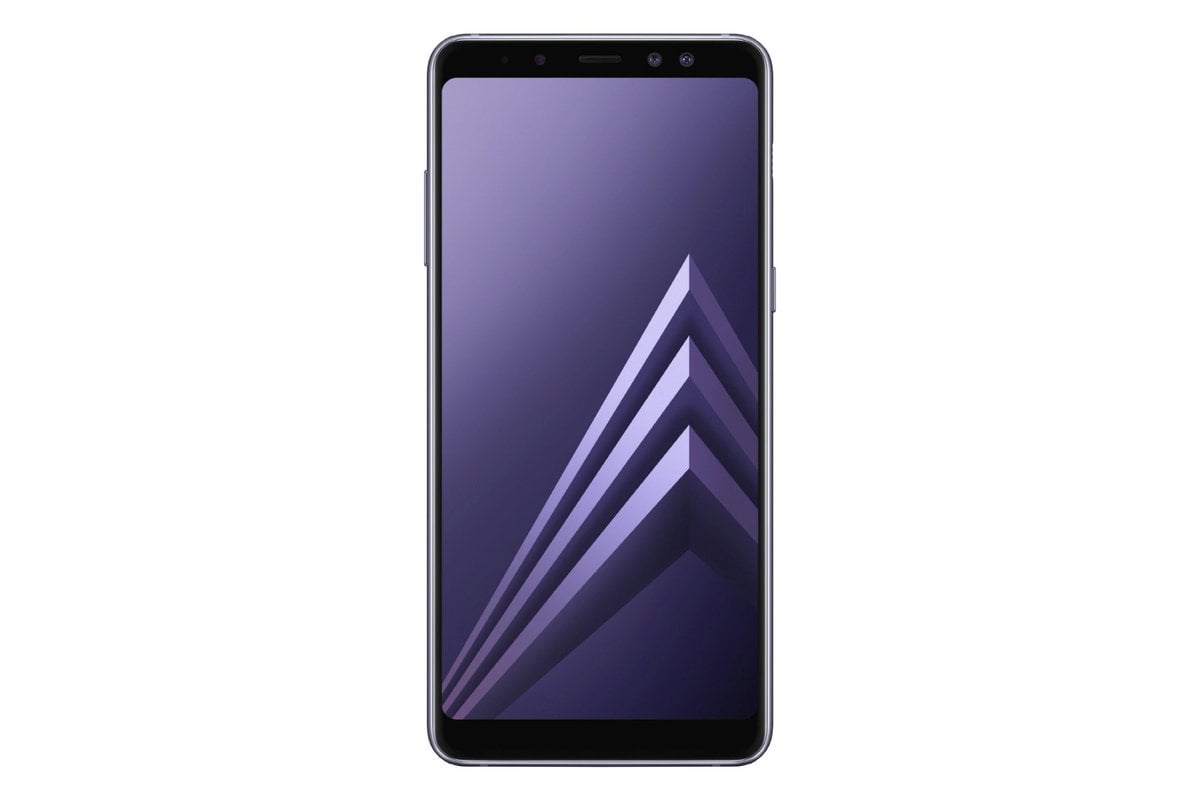
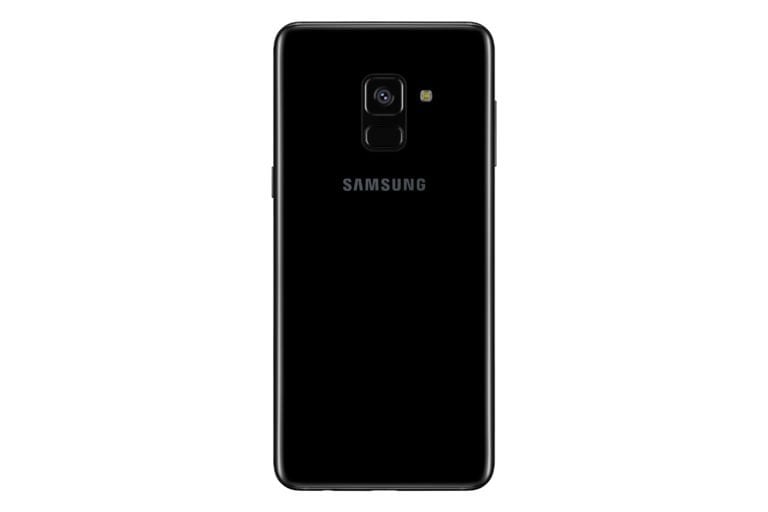
For quite some time now, Samsung is rumoured to launch the Samsung Galaxy A8 (2018) and A8+ (2018), which will replace the Galaxy A5 (2018) and Galaxy A7 (2018) smartphones. Samsung is going for a different approach, and it will be interesting to see how this fares. But for the most part, the newly announced Galaxy A8 (2018) and A8+ (2018) are great devices from the house of Samsung, thanks to the stellar specs on paper.
- Make Telecom Talk My Trusted Source



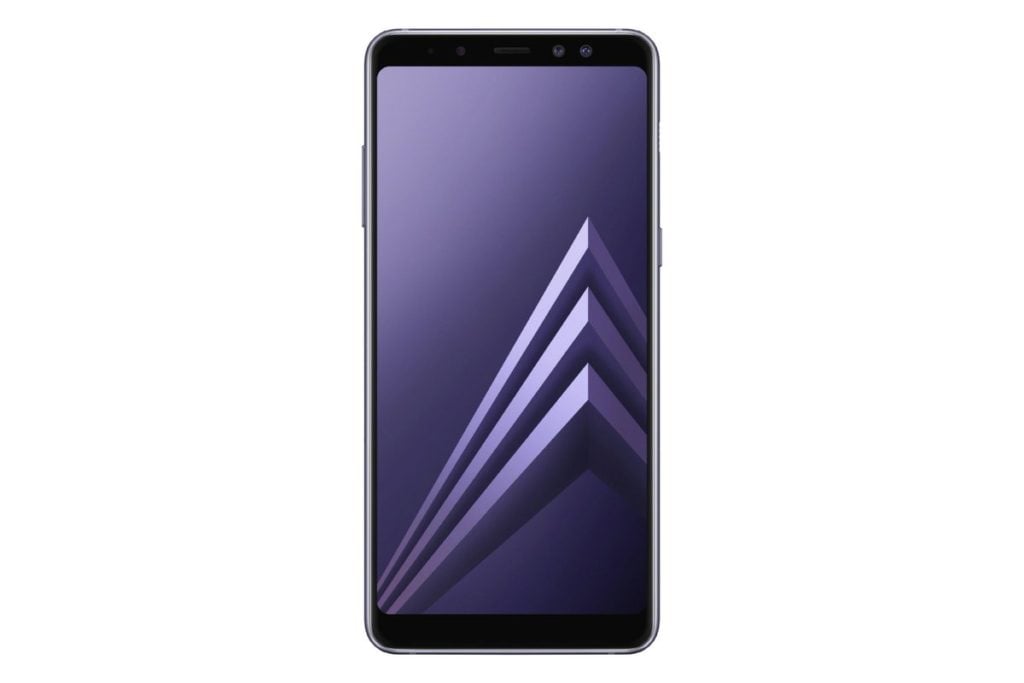



Both the devices will be initially available in European market starting January 2018. The phone is expected to launch in India in March 2018, followed by the flagships Galaxy S9 and S9+ launch. Let’s take a close look at the specifications of the Galaxy A8 (2018) and A8+ (2018).
Samsung Galaxy A8 (2018) and A8+ (2018) Specifications
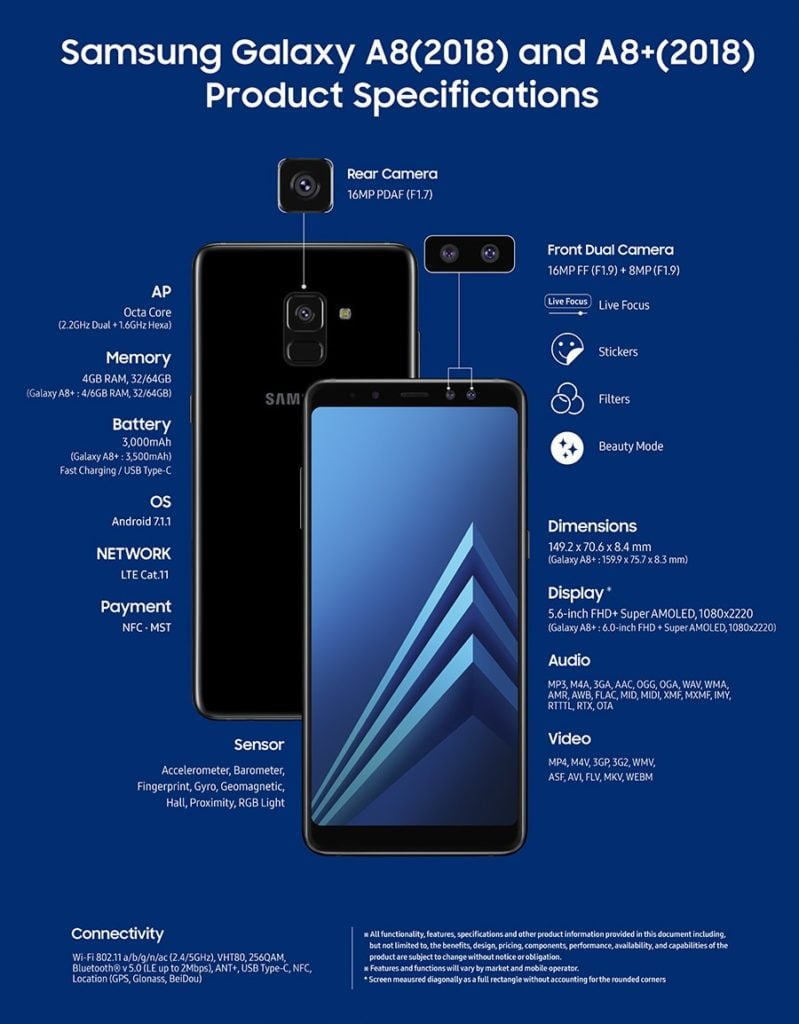
Like the previous Galaxy A range of smartphones, both the Galaxy A8 (2018) and A8+ (2018) are differentiated with only some features. The former flaunts a 5.6-inch Full HD+ Super AMOLED display with a resolution of 1080×2220 pixels, while the latter has a 6-inch Full HD+ Super AMOLED display with the same resolution. And the best part is they pack Samsung’s Infinity Display technology with small bezels on top and bottom. That said, these phones don’t have the same edge-to-edge as the Galaxy S8 duo.
Internally, both the phones are powered by Samsung Exynos 7885 chipset, built on the 14nm manufacturing process. The Exynos 7885 chipset is an octa-core processor with two cores clocked at 2.2GHz and six cores clocked at 1.6GHz. The A8 (2018) comes in two variants with 4GB of RAM and 32GB/64GB of internal storage, while the A8+ (2018) comes in two variants- 4GB RAM & 32GB storage and a 6GB RAM & 64GB storage option. Both the phones have a microSD card slot for storage expansion. Mali-G71 GPU takes care of graphics in both the smartphones.