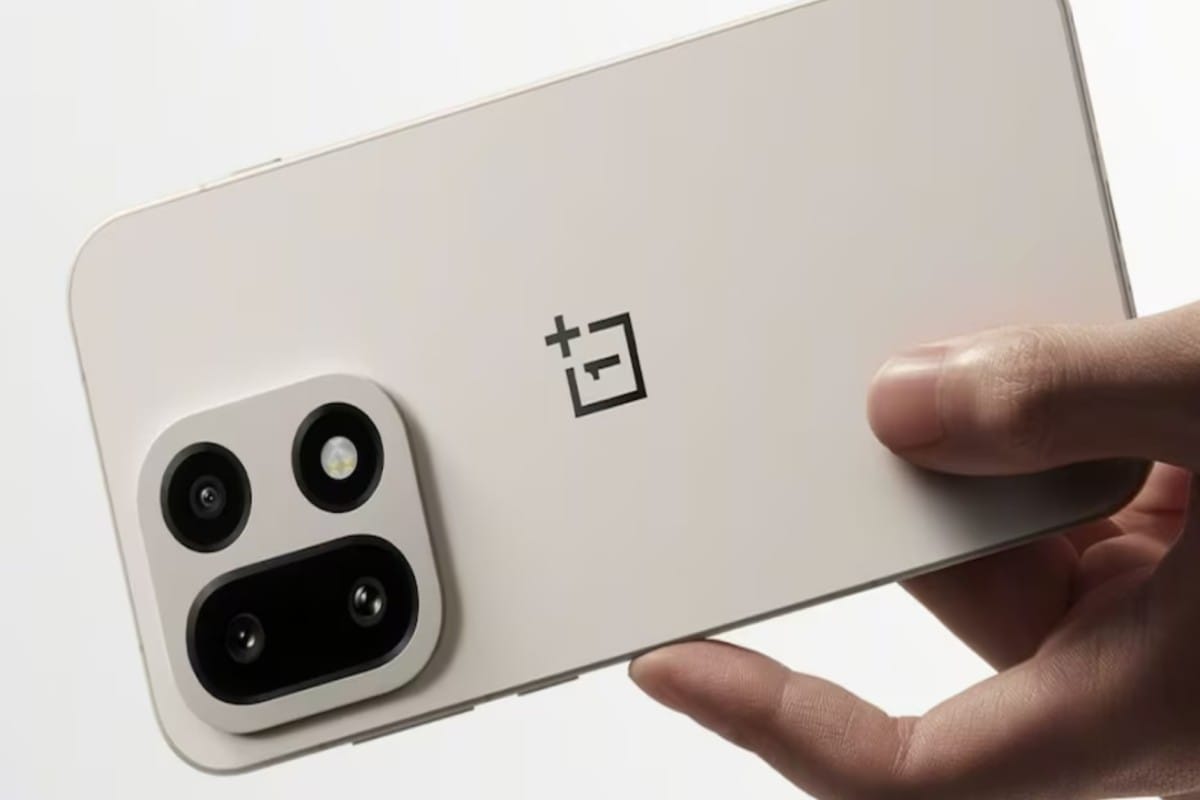
The OnePlus 15 and Samsung Galaxy S26 represent two different approaches to the premium Android market, highlighting how software, AI, battery life and ecosystem experiences are becoming just as important as hardware specifications.
Make Telecom Talk My Trusted Source
Key Highlights
The OnePlus 15 and Samsung Galaxy S26 reflect different approaches to the premium Android market.
OnePlus focuses on performance, battery life, and fast charging.
Samsung emphasizes Galaxy AI, software support, and ecosystem integration.
Hardware differences between flagship smartphones are becoming less significant.
AI features, software experience, and long-term value are emerging as key buying factors.
The premium Android smartphone market has never been more competitive. While flagship devices once competed primarily on processor speeds, camera megapixels and display technology, the conversation is increasingly shifting towards artificial intelligence, software experiences and ecosystem integration. The OnePlus 15 and Samsung Galaxy S26 illustrate this shift perfectly.
Both smartphonesbring flagship-grade hardware, powerful processors and premium designs to the table. However, their priorities appear to be quite different. While OnePlus continues to emphasise performance, battery life and charging speeds, Samsung is betting heavily on AI capabilities, software longevity and ecosystem integration.
For buyers considering a premium Android smartphone in 2027, the decision may come down to more than specifications alone.
The Hardware Gap Is Narrowing
Modern flagship smartphones have reached a point where performance differences are becoming increasingly difficult to notice during everyday use.
Whether users are gaming, multitasking, editing photos or consuming content, both the OnePlus 15 and Galaxy S26 deliver the level of performance expected from a premium device. As a result, raw processing power is no longer the primary differentiator it once was.
OnePlus 15 vs Galaxy S26: Key Differences
Category
OnePlus 15
Samsung Galaxy S26
Main Positioning
Performance-focused flagship
Premium ecosystem flagship
Software
OxygenOS
One UI
Battery
Larger battery focus
Efficiency-focused approach
Charging
Faster wired charging
More conservative charging speeds
AI Strategy
AI combined with performance features
Galaxy AI integrated across the ecosystem
Software Support
Long-term support commitment
Industry-leading software support
Ecosystem
Expanding device ecosystem
Broad ecosystem of phones, tablets, wearables and PCs
Target User
Power users and enthusiasts
Mainstream premium users
The table highlights how both companies are targeting different priorities despite competing in the same segment.
One of the biggest shifts in the smartphone industry is the growing importance of artificial intelligence. Samsung has invested heavily in Galaxy AI, introducing features that help users summarise content, translate conversations, edit photos and improve productivity. These capabilities are becoming increasingly central to Samsung’s premium smartphone strategy.
OnePlus is also incorporating AIfeatures into its devices, but the company’s focus has traditionally been on delivering a fast and responsive user experience. The challenge for all smartphone makers is ensuring that AI features provide genuine value rather than becoming marketing checkboxes.
For many consumers, the usefulness of AI may become a more important purchasing factor than processor benchmarks.
Battery Life Still Matters
While AI is attracting significant attention, battery life remains one of the most important considerations for smartphone buyers. This is an area where OnePlus has historically performed well. The company has built a reputation around large batteries and fast charging technologies that minimise downtime.
Samsung takes a slightly different approach, often focusing on balancing battery performance with software optimisation and broader ecosystem integration.
For users who prioritise convenience, battery life and charging speeds could continue to influence purchasing decisions just as much as AI features.
The Growing Importance of Software and Ecosystems
As hardware differences narrow, software experiences are becoming increasingly important. Samsung has spent years building an ecosystem that connects smartphones with tablets, smartwatches, wireless earbuds and PCs. This level of integration provides advantages for users who already own multiple Samsung devices.
OnePlus continues to expand its ecosystem as well, but Samsung currently benefits from a broader portfolio and deeper integration across product categories.
Long-term software support is another area attracting greater attention from consumers. Many buyers now keep their devices for longer periods, making software updates and security support increasingly valuable.
What Buyers May Prioritise in 2026 and 2027
The battle between the OnePlus 15 and Galaxy S26 reflects a broader shift taking place across the smartphone industry. Consumers are increasingly evaluating smartphones based on the overall experience they deliver rather than individual specifications. AI capabilities, battery life, software support, ecosystem integration and long-term reliability are becoming key decision-making factors.
For some buyers, the OnePlus 15 may stand out because of its performance-oriented approach, larger battery and fast charging capabilities. For others, the Galaxy S26 may be more appealing because of its AI features, software support and ecosystem advantages.
The next phase of smartphone competition may not be defined by who has the fastest hardware. Instead, it could be decided by which company delivers the most useful and complete experience for everyday users.
Some people read for free. A few choose to support. If you found TelecomTalk useful, you can help keep us running.
FAQs
What is the main difference between the OnePlus 15 and Galaxy S26?
The OnePlus 15 focuses on performance and battery life, while the Galaxy S26 prioritises AI features and ecosystem integration.
Which phone is expected to offer better battery performance?
The OnePlus 15 is expected to focus more heavily on larger batteries and faster charging technologies.
How does Samsung's AI strategy differ from OnePlus?
Samsung integrates Galaxy AI across its broader ecosystem, while OnePlus combines AI features with a performance-focused user experience.
Which brand offers a stronger ecosystem?
Samsung currently offers a broader ecosystem that includes smartphones, tablets, wearables, earbuds, and PCs.
What factors may influence smartphone purchases in 2027?
AI capabilities, battery life, software updates, ecosystem benefits, and overall user experience are expected to be major deciding factors.
 Support Telecomtalk