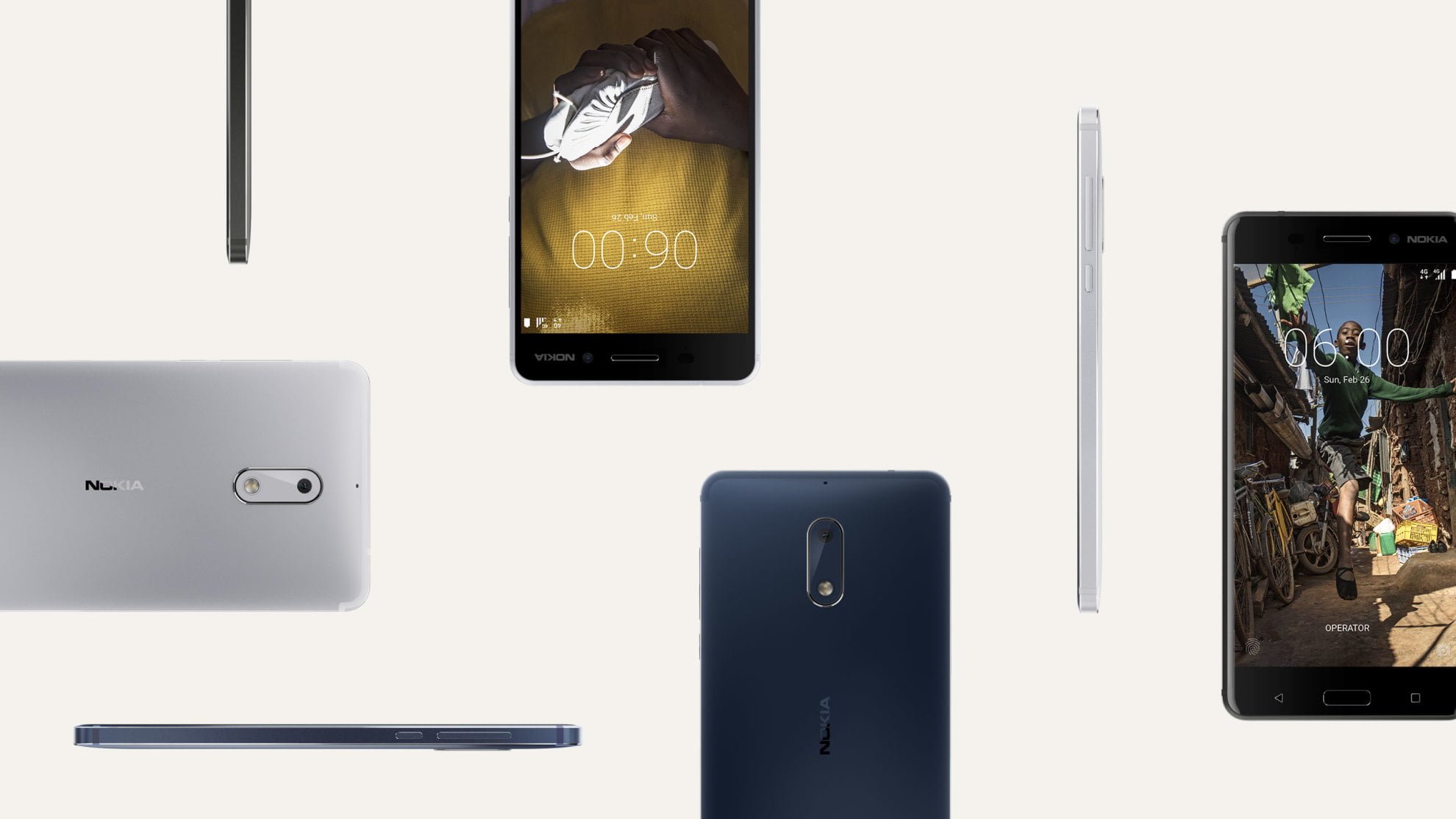
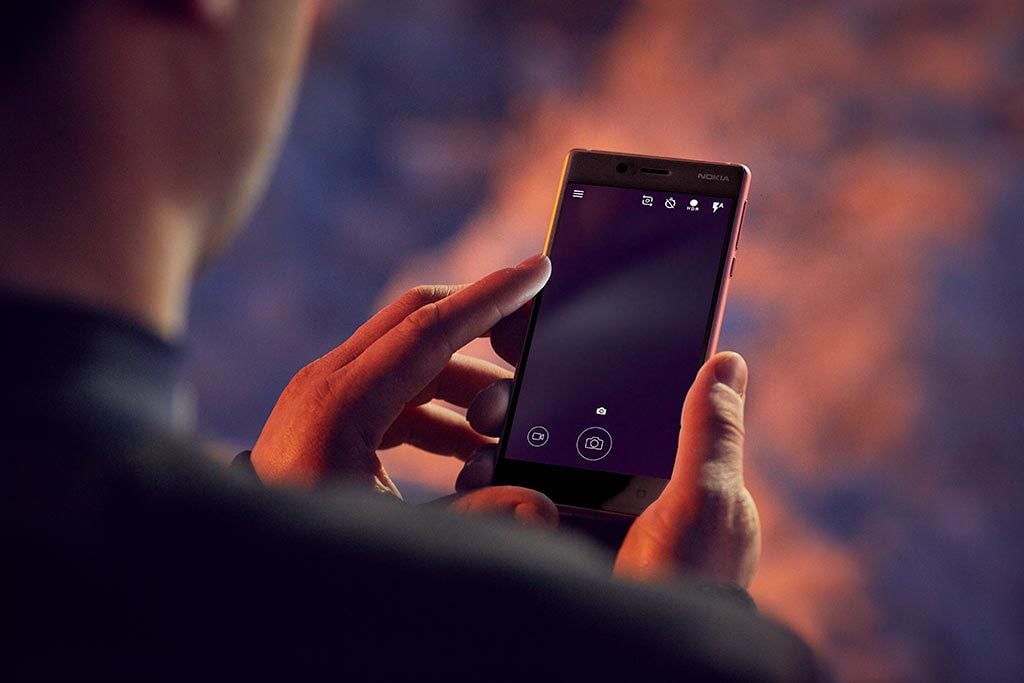
Nokia has finally launched its much-anticipated Android smartphones in India- the Nokia 3, the Nokia 5, and the Nokia 6. HMD Global has priced the three phones aggressively as they come with a steeper price tag, compared to the competition. But as we’re always saying- the comeback Nokia brand is all about build quality and user interface, rather than specifications and value for money.
HMD Global, the parent company of Nokia, will also offer door pickup and service in 100 cities of India. Furthermore, a total of 300 Nokia Mobile Care service centres will be launched across the country. The three phones will boot stockish Android 7.0 Nougat out-of-the-box, which is the primary highlight. Read on to know more details about the newly announced Nokia smartphones.
Nokia 3
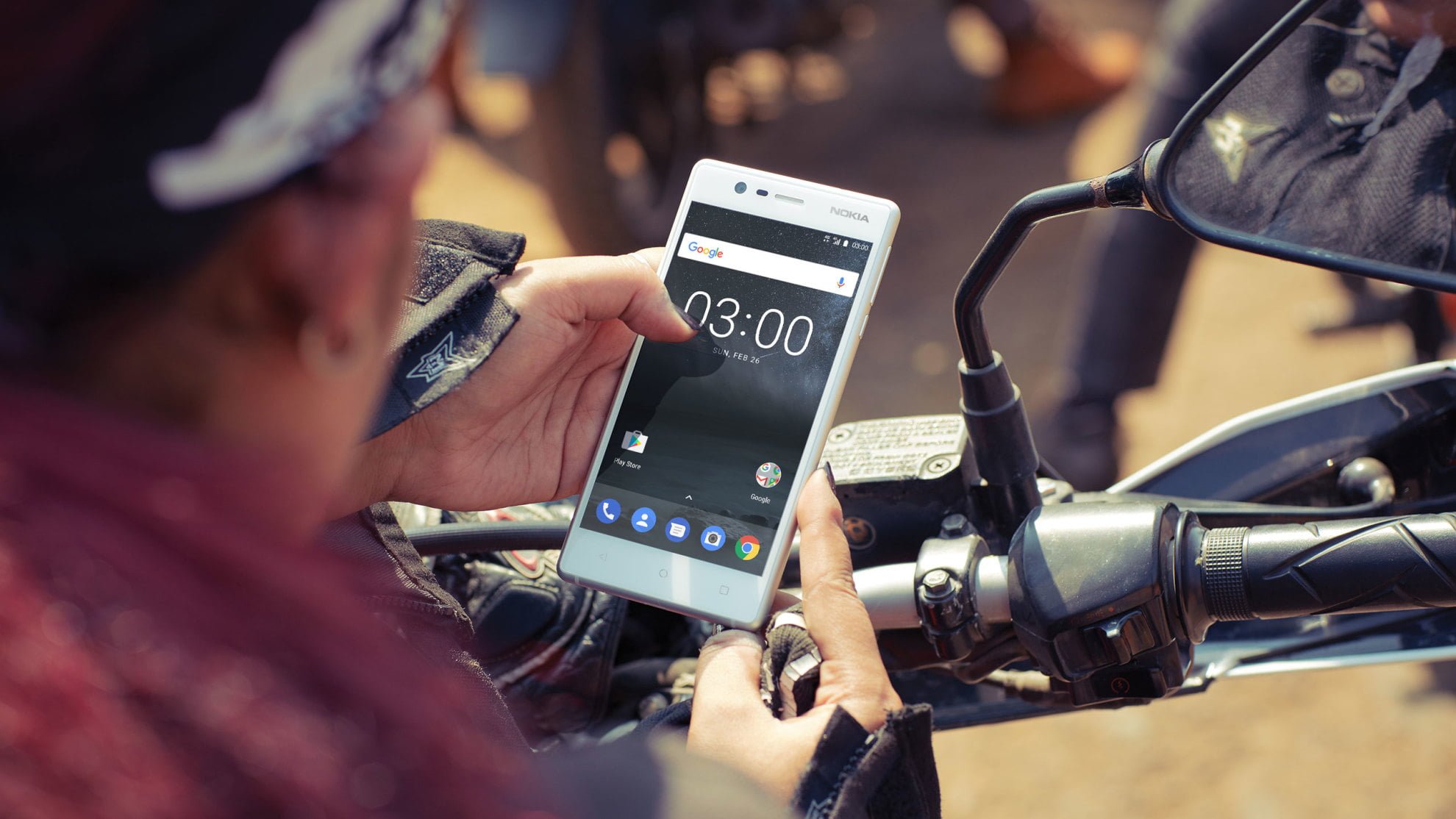
The Nokia 3 is an entry-level smartphone and the most basic one of the three. The Nokia 3 has a 5-inch HD display with a 2.5D curved glass, and the display is protected by Corning Gorilla Glass technology. The device is powered by a quad-core MediaTek MT6737 SoC, paired with just 2GB of RAM and 16GB of internal storage. There’s a microSD card support as well for expanding the storage.
The Nokia 3 is an entry-level smartphone and the most basic one of the three. The Nokia 3 has a 5-inch HD display with a 2.5D curved glass, and the display is protected by Corning Gorilla Glass technology. The device is powered by a quad-core MediaTek MT6737 SoC, paired with just 2GB of RAM and 16GB of internal storage. There’s a microSD card support as well for expanding the storage.
The smartphone rocks an 8MP primary camera with support for LED flash and an 8MP front-facing snapper for selfies and video calls. It is fuelled by a small 2630mAh battery. Moreover, it lacks a fingerprint scanner. The Nokia 3 is priced at Rs. 9,499, which is clearly an overpriced product because there are better smartphones in the same price range. It is an offline-only model.
Nokia 5
The Nokia 5 is placed in between the Nokia 6 and the Nokia 3 and is a watered down version of the Nokia 6. The smartphone’s hardware is similar to the Nokia 6, but it differs in the design language. The Nokia 5 has a 5.2-inch HD display with a 2.5D curved glass on top and Corning Gorilla Glass protection. The smartphone sports a unimetal body design, same as the Nokia 6.
At the heart of the phone is an octa-core Qualcomm Snapdragon 430 SoC, working in tandem with 2GB of RAM and 16GB of native storage, which can be expanded up to 128GB via a microSD card. The Nokia 5 has a slightly better camera than the Nokia 3 with a 13MP sensor at the back and an 8MP front-facing camera. The device has a fingerprint scanner integrated into its home button.
The smartphone is backed by a 3000mAh battery with fast charging support. The Nokia 5 will be an offline-exclusive model priced at Rs. 12,899. And yes, it’s an overpriced product.
Nokia 6
The Nokia 6 is the premium smartphone of the three, and it looks gorgeous with its unimetal body design built by 6600 Series Aluminium. The Nokia 6 has a 5.5-inch Full HD display with a 2.5D curved glass and Gorilla Glass protection. Under-the-hood, is a Qualcomm Snapdragon 430 chip, along with 3GB of RAM and 32GB of internal storage. Nokia did not unveil the 4GB of RAM variant in India.
The smartphone comes with a 16MP primary camera with f/2.0 aperture and LED flash. Up front, there’s an 8MP camera with f/2.0 aperture. The device is armed with a 3000mAh battery, which also has fast charging support.
Connectivity in three phones includes 4G LTE, VoLTE, Wi-Fi 802.11/b/g/n, Bluetooth, GPS, and micro USB port.
The Nokia 6 will be sold exclusively via Amazon India for Rs. 14,999. The first sale of the device will happen on July 14. Customers whoever purchases the phone with Amazon Pay balance will get a cashback of Rs. 1000.
Every article you read here is the result of time, research, and effort. If you feel it adds value, you can support TelecomTalk.
 Support Telecomtalk