Support Telecomtalk






Live

Andrew Bonwick
Vice President of Product Development at Relm Insurance

Madhav Sheth
CEO of Ai+ Smartphone

Stephen Rose
CEO Render Networks



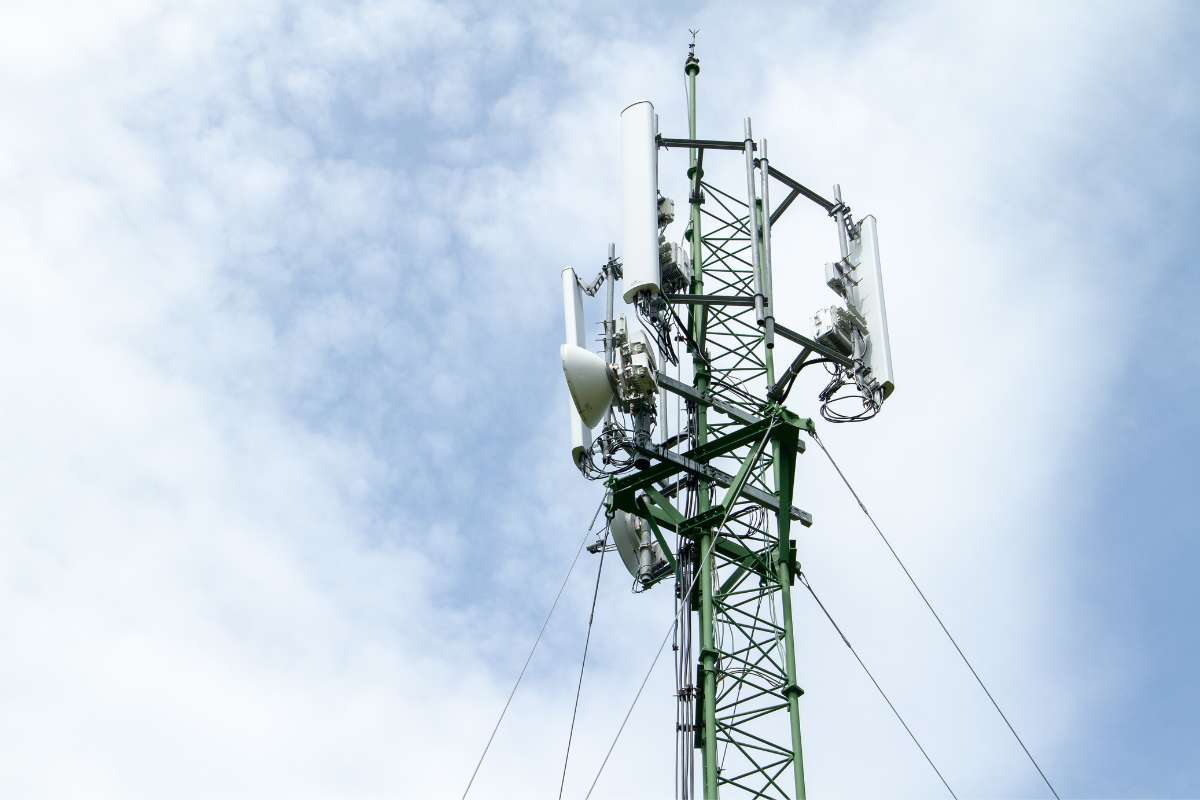
The Cellular Operators Association of India (COAI) has lauded the efforts of the government to announce wireless licensing reforms along with the release of the National Frequency Allocation Policy (NFAP) 2022. Some of the reforms announced have already been implemented and will help with the quicker rollout of networks and services. This will also help with the Ease of Doing Business (EoDB) through reduced compliance. Let’s take a look at some of the key highlights of the Telecom Reforms 2022 around Wireless Licensing.
Related Coverage



- Make Telecom Talk My Trusted Source



Highlights of Telecom Reforms 2022
- The government has simplified the process of SACFA application processing (procedure for clearance of Low Power BTS/small cells, i.e. Micro, Pico and Femto cells on street furniture/infrastructure). The processing fee has been reduced to Rs 100 from Rs 1000 previously. This will help the telecom service providers in reducing their compliance burdens and saving time.
- The government has also made it easier for companies to bring telecom equipment into the country. The entire import license process has been made online, and self-declaration-based clearance has been adopted instead of the earlier scrutiny-based clearance process. This will ensure that vital telecom infrastructure can be built fast in India to support the faster rollout of new-generation network technologies.
- The government has shifted the entire licensing process online through the Saral Sanchar portal. This will reduce the processing time from an average of 1 year to two months now.
- Further, the Department of Telecommunications (DoT) has issued an advisory on the proper use of wireless jammers/boosters and repeaters. It would help with curbing illegal activities in India and improve customer experience.

-