Support Telecomtalk






Highlights
- As per the rules set by the Department of Telecommunications (DoT), Indian nationals can't have more than 9 SIM cards resgistered under their name.
- In fact, in certain circles like Jammu and Kashmir, Assam, and North East, the SIM limit is just of 6 SIM cards.
- The SIM card rule was proposed by the government to the Supreme Court (SC).

Andrew Bonwick
Vice President of Product Development at Relm Insurance

Madhav Sheth
CEO of Ai+ Smartphone

Stephen Rose
CEO Render Networks



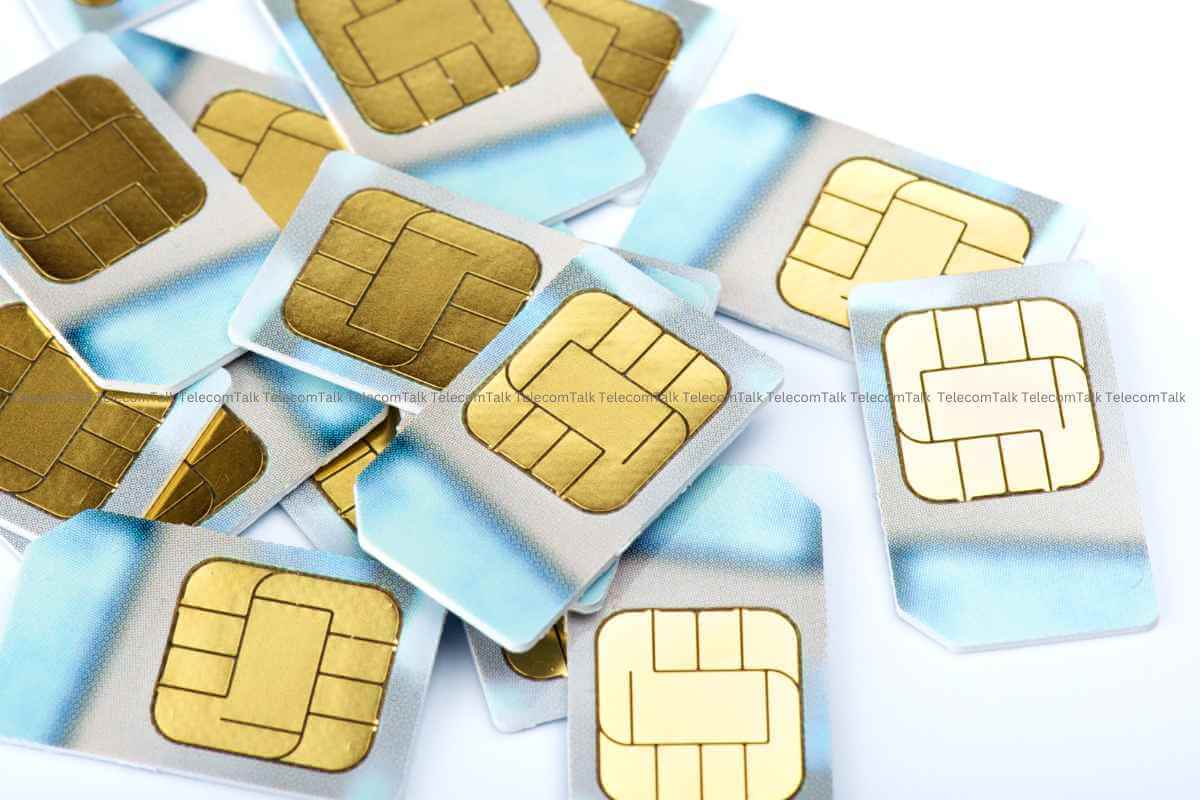
As per the rules set by the Department of Telecommunications (DoT), Indian nationals can’t have more than 9 SIM cards resgistered under their name. In fact, in certain circles like Jammu and Kashmir, Assam, and North East, the SIM limit is just of 6 SIM cards. The SIM card rule was proposed by the government to the Supreme Court (SC). Now, this rule has turned into a reality after the apex court has approved it. The instructions were released by the DoT on this on August 17, 2026. The telcos now need to understand and comply with this.
- Make Telecom Talk My Trusted Source



What will Happen if You Get a 10th SIM Card in India Now?
If you end up getting the maximum limit of SIM cards, which is nine SIMs, the government will upload your face on its Digital Intelligence Platform (DIP). The telcos must use the data from DIP to ensure that no new SIM card is issued to the individual who already has the maximum SIM cards registered under his/her name.



Further, if the user has a 10th SIM, or more than 9 SIMs, then the government will start blocking every SIM that has been issued after the first nine SIM cards. The circular fromt the DoT said that from August 23, this data will be available for the telcos on the DIP. They will be able to use the data from the intelligence platform to ensure no one gets more SIM cards than the legal limit. For now, the telcos will not be able to catch the user getting the 10th SIM card right on the time of SIM issuance. They will have to play catch-up with the platform.