 Support Telecomtalk







Andrew Bonwick
Vice President of Product Development at Relm Insurance

Madhav Sheth
CEO of Ai+ Smartphone

Stephen Rose
CEO Render Networks



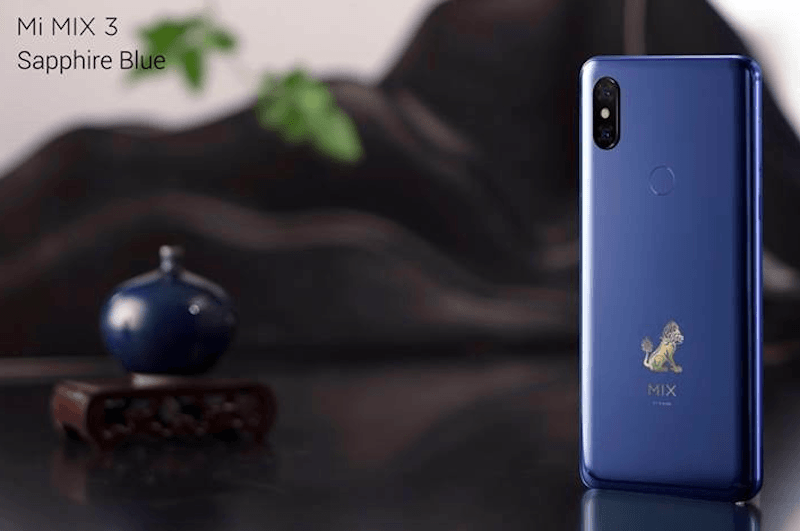
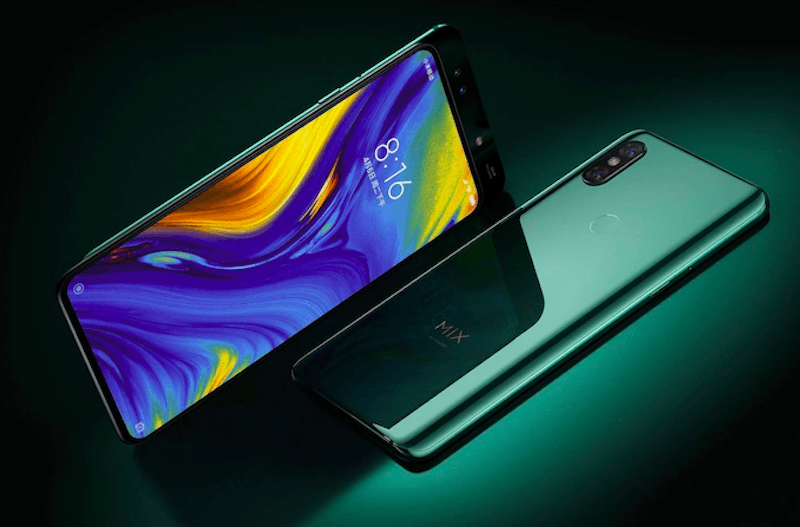
Xiaomi has officially announced the Mi Mix 3 flagship smartphone in China today. As teased, the Mix 3 has a slider design like the Oppo Find X and the upcoming Honor Magic 2 smartphones. The mechanical slider houses dual front-facing cameras. With the Xiaomi Mi Mix 3, the Chinese company is taking on Huawei’s P20 Pro, especially with the low-light imaging. The Mi Mix 3 achieved an overall score of 103 in DxOMark (108 for photos and 93 for videos). Before the launch, Xiaomi teased the Mix 3 will have 5G support, but that’s not the case as the company today announced that a 5G variant of the Mix 3 would launch sometime in Q1 2019, most likely at the MWC 2019.
- Make Telecom Talk My Trusted Source






Xiaomi Mi Mix 3: Specifications and Features
Mix series from Xiaomi has set a high standard in the industry. The original Mi Mix launched back in 2016 started the trend of bezel-less smartphones, but this year’s Mi Mix 3 isn’t that exciting as Xiaomi is trying a tested formula. The Xiaomi Mi Mix 3 sports a 6.39-inch Super AMOLED display on the front with a resolution of 1080×2340 pixels and 19.5:9 aspect ratio. Xiaomi removed the notch because it has added a mechanical slider which houses the selfie cameras of 24MP and 2MP. The slider pops up whenever you fire up the selfie camera option inside the camera app. The Mix 3 has a physical fingerprint scanner placed on the rear side- no in-display scanner here.
Xiaomi is touting the imaging capabilities on the Mix 3. Of course, it has got a decent rating from DxOMark which every flagship smartphone is getting these days, but again, Xiaomi did not innovate anything. The phone rocks two cameras on the rear and two on the front. A 24MP primary shooter is present on the front which works in tandem with a 2MP depth sensor which helps in adding shallow depth of field to the images. On the rear side, the Mix 3 has two cameras of 12MP+12MP with the second one having a telephoto lens for 2X lossless zoom images. The primary sensor has an aperture of f/1.8 while the telephoto lens has a smaller f/2.4 aperture.