Support Telecomtalk







Andrew Bonwick
Vice President of Product Development at Relm Insurance

Madhav Sheth
CEO of Ai+ Smartphone

Stephen Rose
CEO Render Networks



The Telecom Regulatory Authority of India (Trai) is not only responsible for regulating the DTH and the telecom industry but sometimes the regulations which the authority introduced act as a tipping scale for the innovation that actually drives the industry forward. This year, Trai has made a lot of changes in the DTH industry which has drastically affected the subscribers, and the top one of them happens to be the new Trai tariff regime which changes how the DTH services are priced in the industry. However, now that the dust from the previous regulatory changes has settled down, there are other new changes that Trai is eyeing in the coming months, and a major one of them happens to be of Set-Top Box Interoperability. A lot of the subscribers might be aware of the STB interoperable technology and what it entails, but since there is nothing solid as of yet, a lot of you might be totally unaware of it. The introduction of such technologically enabled STBs will not only help the subscribers, but it would also bring some much-needed change in the industry as well. Here is how the STB Interoperability would change the DTH industry scene and what effect it would bring.
- Make Telecom Talk My Trusted Source






What Exactly Is Set-Top Box Interoperability?
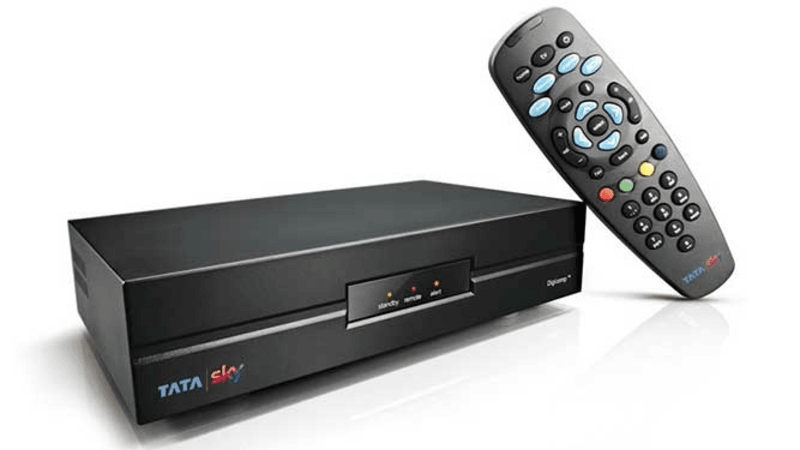
To understand the implications and the effects that the technology would bring, firstly, it is important to see what interoperability will do on the ground level. Currently, the DTH industry is filled with DTH operators and cable TV operators who offer specific Set-Top Boxes to their subscribers. These Set-Top Boxes are made such that they only work with a particular DTH operator. So for example, if you have a Tata Sky connection, and you get a Tata Sky Set-Top Box with your subscription, then that particular Set-Top Box will not work with any other DTH operator. However, Set-Top Box Interoperability would bring STBs which would be usable on any DTH connection, regardless of which operator the user is subscribed to.