TRAI Has Taken Action Against 21 Lakh Numbers, But It Still Needs Consumer Help
TRAI has acted against more than 21 lakh mobile numbers and around 1 lakh entities linked to spam and fraudulent communications. However, consumer participation through reporting spam calls and messages remains critical to strengthening enforcement efforts and reducing unwanted communications.
India continues to face a significant spam problem, with billions of unwanted calls and messages reaching mobile users every year. While many consumers respond by blocking spam numbers, regulatory authorities believe that reporting such communications may be even more important. Consumer complaints help identify repeat offenders, uncover larger spam networks, and support enforcement actions that can benefit the broader telecom ecosystem.
Make Telecom Talk My Trusted Source
Key Highlights
TRAI has acted against more than 21 lakh mobile numbers linked to spam and fraudulent communications.
Around 1 lakh entities have also faced action under regulatory enforcement efforts.
Blocking a spam number only prevents communication from a specific source.
Consumer reporting helps identify repeat offenders and larger spam networks.
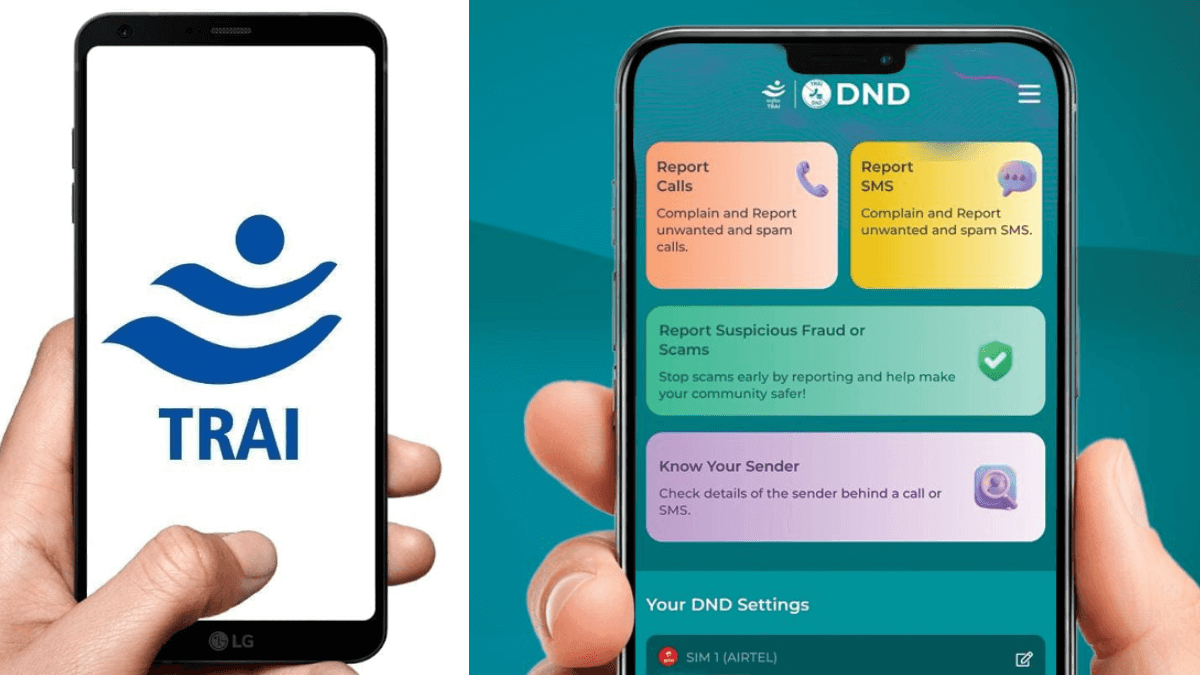
The TRAI DND App allows users to report spam calls, messages, and manage DND preferences.
For most users, blocking a spam number is the quickest solution. An unwanted call is disconnected, the number is blocked, and the user moves on. While this can prevent future communication from that particular number, it does little to address the larger issue.
Blocking only protects an individual consumer from a specific source. It does not help authorities identify patterns of misuse, track entities that repeatedly violate consumer preferences, or take action against larger spam operations. When spam communications go unreported, valuable intelligence that could support enforcement efforts is lost.
This is one of the reasons spam continues to remain a challenge despite growing consumer awareness. While blocking provides immediate relief, reporting contributes to broader action that can help protect millions of subscribers.
How the TRAI DND App Helps
Recognising the importance of consumer participation, the Telecom Regulatory Authority of India (TRAI) has introduced the TRAI DND App. The platform allows consumers to report spam calls and messages while also managing their communication preferences.
The app enables users to set Do Not Disturb (DND) preferences, report spam calls, report unwanted SMS messages, track complaint status, and contribute to enforcement efforts under the Telecom Commercial Communications Customer Preference Regulations (TCCCPR).
Every complaint submitted through the platform becomes part of a larger intelligence and enforcement framework. Consumer reports help identify repeat offenders, detect patterns of misuse, and support action against entities that repeatedly disregard customer preferences.
Consumer Reporting Supports Enforcement
The impact of such efforts is already visible. According to publicly available information, TRAI has taken action against more than 21 lakh mobile numbers and around 1 lakh entities linked to spam and fraudulent communications.
These actions highlight the role consumer complaints can play in strengthening the regulatory framework. Every report helps build a larger database of information that can assist in identifying violators and supporting further enforcement measures.
The TRAI DND App also allows consumers to customise their communication preferences. Users can choose to block all commercial communications, allow only specific categories, or create customised settings based on their requirements.
For consumers who continue to receive unwanted calls and messages, reporting remains a simple but important step. While blocking a number may stop one source from contacting an individual user, reporting can contribute to wider efforts aimed at reducing spam across the telecom ecosystem.
A small group of TelecomTalk readers helps keep this platform running. Support us if you find our work valuable.
FAQs
Why does TRAI encourage users to report spam calls instead of only blocking them?
Reporting helps authorities identify repeat offenders, detect larger spam networks, and support enforcement actions against violators.
What is the TRAI DND App?
The TRAI DND App is a platform that allows users to manage DND preferences, report spam calls and messages, and track complaint status.
How many numbers has TRAI acted against for spam-related issues?
TRAI has taken action against more than 21 lakh mobile numbers linked to spam and fraudulent communications.
Can users customise communication preferences through the TRAI DND App?
Yes. Users can block all commercial communications or choose specific categories and communication preferences.
What is the benefit of reporting spam calls?
Reporting contributes to a broader intelligence and enforcement framework that helps identify violators and supports action against repeat offenders.
 Support Telecomtalk