Support Telecomtalk






Highlights
- Chhattisgarh, a state in central India, has requested New Delhi for approving 2305 new mobile towers under the Digital Bharat Nidhi (DBN) scheme.
- For the unaware, DBN was earlier known as Universal Service Obligation Fund (USOF).
- The USOF is a pool of funds maintained by the government, but built by the contributions from the Indian telecom operators.

Andrew Bonwick
Vice President of Product Development at Relm Insurance

Madhav Sheth
CEO of Ai+ Smartphone

Stephen Rose
CEO Render Networks



Chhattisgarh, a state in central India, has requested New Delhi for approving 2305 new mobile towers under the Digital Bharat Nidhi (DBN) scheme. For the unaware, DBN was earlier known as Universal Service Obligation Fund (USOF). The USOF is a pool of funds maintained by the government, but built by the contributions from the Indian telecom operators. The license fee that telcos pay, includes DBN contribution. What’s worth noting is that percentage wise, DBN contribution is higher than the actual license fee that the telcos need to pay.
- Make Telecom Talk My Trusted Source



Coming back to the topic, Chhattisgarh has made the request for 2305 new mobile sites to be funded in the state with the DBN. The new sites have been proposed in the remote and tribal areas of the state. There are many regions in the state which are still not covered with mobile networks. Once the new sites are commissioned, it will enable things such as e-governance, online banking, remote healthcare, and digital education.



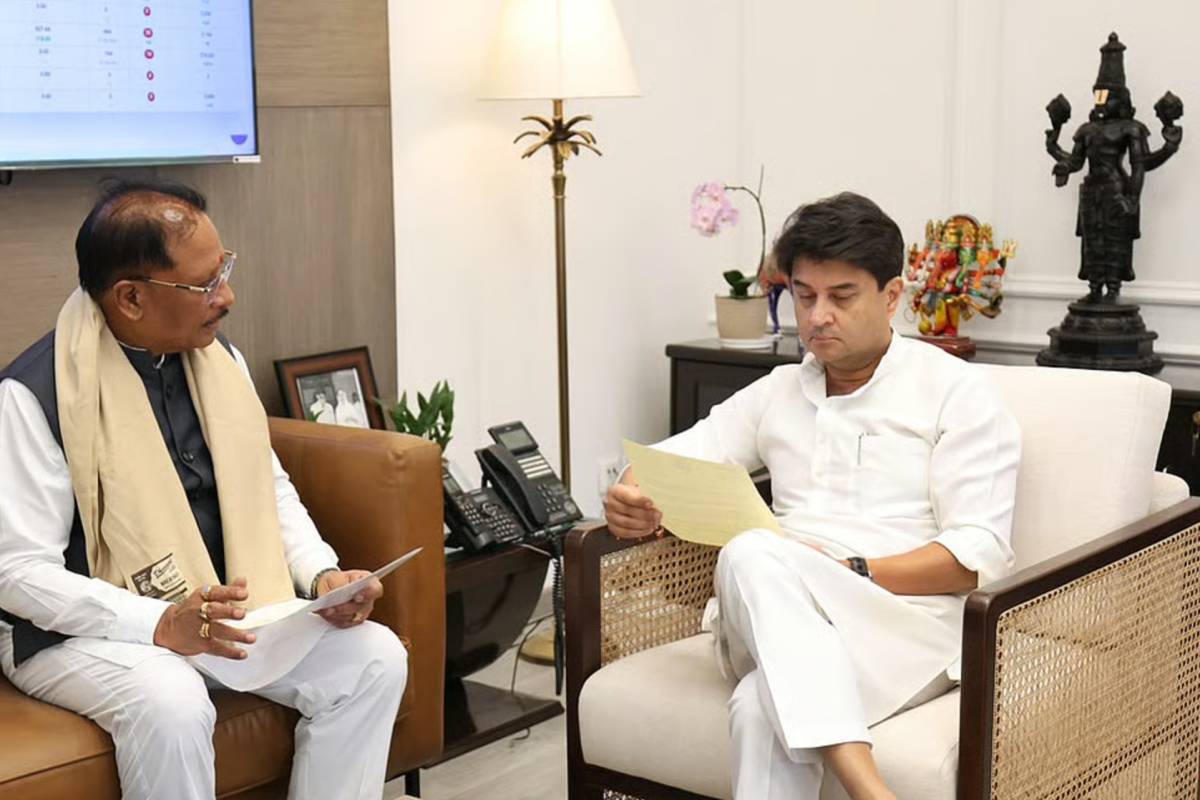
Chhattisgarh’s Chief Minister Vishnu Singh Deo Sai recently met with the Union telecom minister Jyotiraditya Scindia at Sanchar Bhawan on Friday. Sai proposed for these new sites at that meeting. The Chhattisgarh CM also thanked the central government for also sanctioning 577 additional mobile towers in the left wing extremism (LWE) affected and underserved regions.
“Expanding digital infrastructure is not just about mobile signals, it is about bringing governance, banking, education, and healthcare directly into the hands of people living in our most remote tribal and border villages,” Sai said.