Support Telecomtalk






Highlights
- The new ASUS Pad combines a 144Hz OLED display, MediaTek Dimensity 8300 chipset and lightweight design as ASUS re-enters the tablet segment.
- ASUS has announced its return to the tablet category with the launch of the new ASUS Pad at Computex 2026.
- The launch marks ASUS' renewed focus on tablets after spending recent years concentrating largely on laptops, desktops and gaming devices.

Andrew Bonwick
Vice President of Product Development at Relm Insurance

Madhav Sheth
CEO of Ai+ Smartphone

Stephen Rose
CEO Render Networks



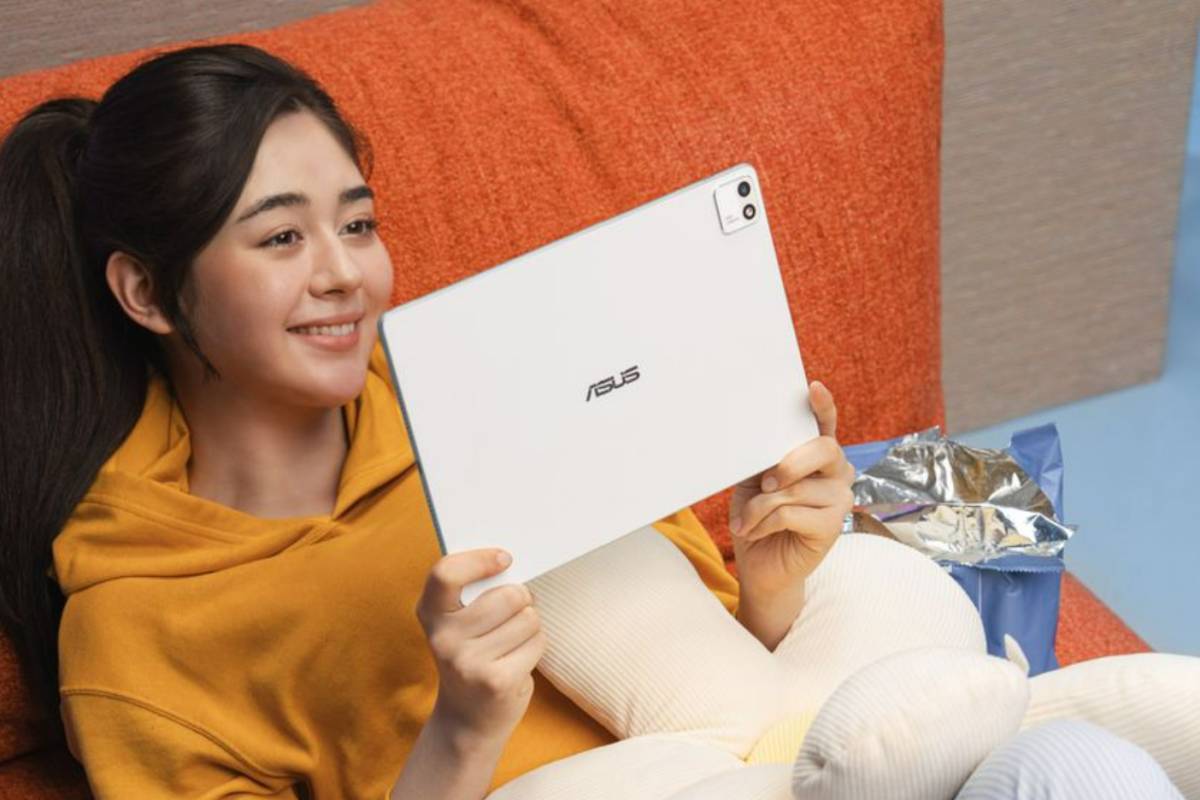
The new ASUS Pad combines a 144Hz OLED display, MediaTek Dimensity 8300 chipset and lightweight design as ASUS re-enters the tablet segment. ASUS has announced its return to the tablet category with the launch of the new ASUS Pad at Computex 2026.
- Make Telecom Talk My Trusted Source



Key Highlights
- ASUS has officially returned to the tablet market with the launch of the ASUS Pad at Computex 2026.
- The tablet features a 12.2-inch 2.8K dual-layer OLED display with a 144Hz refresh rate.
- It is powered by the MediaTek Dimensity 8300 chipset and packs a 9,000mAh battery with fast charging support.
- ASUS is positioning the device as a blend of entertainment, productivity and AI-powered functionality.
- The tablet also integrates with ASUS' broader ecosystem through features such as ASUS GlideX and Google Circle to Search.



Positioned as a device for both entertainment and productivity, the tablet combines a premium OLED display, lightweight design and AI-enabled features as part of the company’s broader push into AI-powered consumer devices.
The launch marks ASUS’ renewed focus on tablets after spending recent years concentrating largely on laptops, desktops and gaming devices. With the ASUS Pad, the company appears to be targeting users looking for a portable device that can handle media consumption, everyday productivity and connected experiences.
Read More – BSNL Offers New SIM Connections at Rs 51
ASUS Pad: OLED Display Takes Centre Stage
One of the key highlights of the ASUS Pad is its 12.2-inch 2.8K dual-layer OLED display. ASUS says the panel supports a 144Hz refresh rate and offers a 92 percent screen-to-body ratio, helping deliver an immersive viewing experience for videos, gaming and everyday tasks. The display also comes with TÜV Rheinland eye-care certification for more comfortable long-term viewing.