
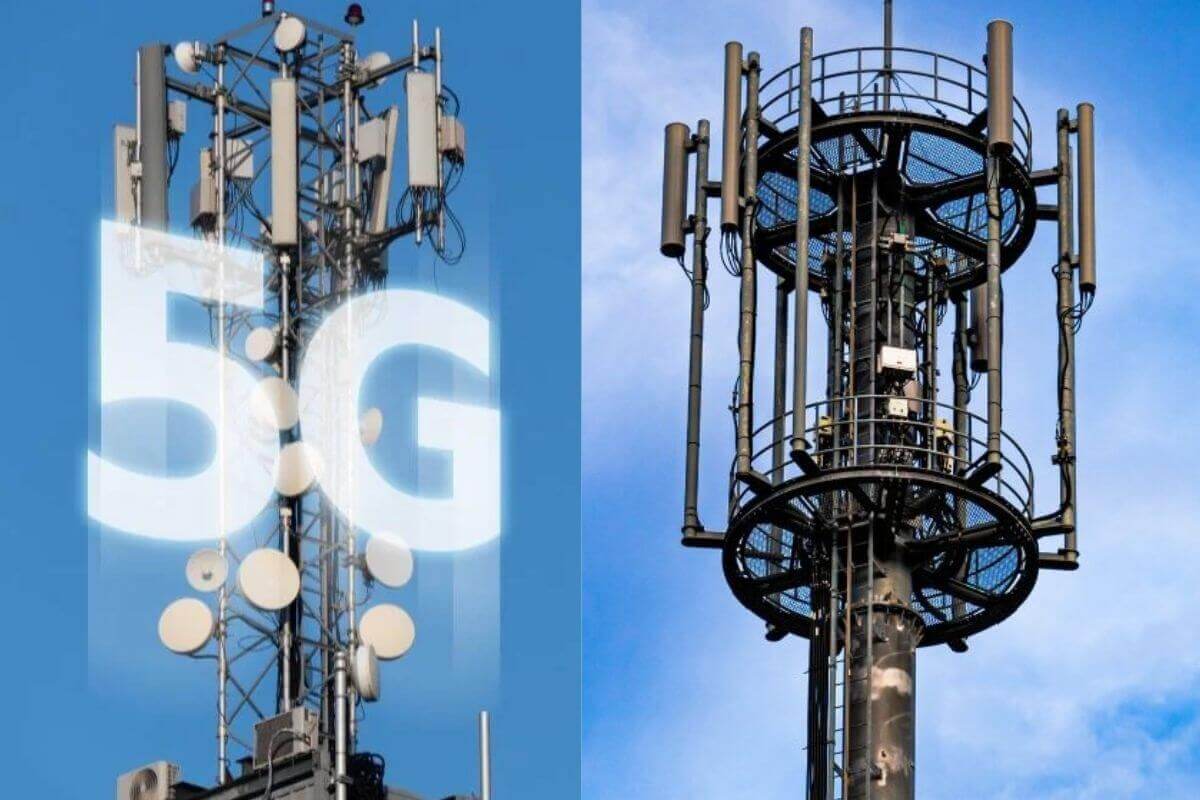
South Korea plans to measure how often phones stay on standalone 5G and how often they switch to non-standalone 5G, which relies on a 4G core. The Ministry of Science and ICT outlined the proposed measurements on November 26 at an event in Seoul with KT, LG Uplus and SK Telecom. A phone’s 5G icon can remain visible during that switch, depending on how the phone and carrier configure it.
Key Highlights
- LG Uplus and SK Telecom will launch nationwide 5G SA services on November 30 and December 1, respectively.
- Operators are exploring network slicing for public safety, enterprise connectivity, industrial automation and crowded events.
- South Korea plans to assess latency, upload speeds, connection stability, and 5G voice quality to evaluate standalone network performance.
The distinction is in the equipment that handles the connection. In standalone mode, often shortened to SA, a phone uses 5G radio access and connects to a 5G core. In non-standalone mode, or NSA, the phone can use a 5G radio while the connection still relies on the operator’s 4G core. A switch from SA to NSA changes how the phone connects to the network and can still leave the phone on 5G.
What South Korea plans to measure
The ministry’s plan includes a standalone 5G connection retention indicator that tracks whether a phone stays on SA or switches to NSA. This measures how consistently phones stay on standalone 5G during testing. Data speeds and latency, the time the network takes to respond, are separate measures in the proposed assessment.
The ministry also outlined plans to assess calls made over the 5G radio network, a technology known as Voice over New Radio, or VoNR. The proposed assessment would look at whether a call connects, whether it drops and how the audio sounds. Those are different questions from how fast a phone can download a file. Pilot measurements are due to begin in December, and some findings are expected to feed into the year-end 5G quality assessment. The ministry plans to revise the assessment in the first half of 2027, with measurements under the revised system set to begin in the second half, according to News1’s coverage of the announcement.
The timing coincides with two planned commercial rollouts. The ministry said LG Uplus was due to begin nationwide standalone 5G service on November 30, with SK Telecom set to follow on December 1. KT has offered standalone 5G since July 2021. The rollout dates describe when the operators plan to bring their networks into commercial service. The testing will help show how consistently phones can use that service in practice.
How Tailored 5G Services Could Work
The ministry also plans to clarify how its net neutrality guidelines apply to services that need dedicated network resources. One example is network slicing, which lets operators allocate resources to different types of traffic on the same 5G network. The proposed assessment would check whether these services deliver the quality promised to customers and whether ordinary internet access suffers when the network is busy.
One early example came from LG Uplus and the Hyundai Motor and Kia Robotics Lab. In a trial disclosed on November 27, they used standalone 5G to give a delivery robot’s movement and stop commands dedicated network resources. Camera footage and sensor data were carried separately. The test took place at the automakers’ Seoul headquarters on November 19. LG Uplus said the robot’s connection stayed stable during the trial even when traffic increased.
What Indian readers can already check
In India, Reliance Jio offers standalone 5G under its True 5G brand. Readers comparing networks can use the coverage maps operators publish under TRAI’s rules to see where a provider offers 5G. Those maps answer a question that matters when picking a network for home or work. They show where an operator offers service, while an individual phone’s connection can change as it moves through that area.
TRAI’s Network Anubhav dashboard lets users explore location-level performance. It combines results from TRAI’s independent drive tests with user measurements, including data from the MySpeed and MyCall apps. Readers can check available test results for their area and compare metrics such as upload and download speeds by provider and network technology. TRAI’s public documentation for Network Anubhav describes those comparisons by location and technology. It does not list a measure for how often a phone switches from standalone to non-standalone 5G.
Each tool answers a different question. A coverage map shows where to expect service, and a speed test shows how a connection performed at the time of the test. The proposed South Korean indicator would show how consistently test phones stay on standalone 5G across the places and conditions sampled.


