Support Telecomtalk







Andrew Bonwick
Vice President of Product Development at Relm Insurance

Madhav Sheth
CEO of Ai+ Smartphone

Stephen Rose
CEO Render Networks



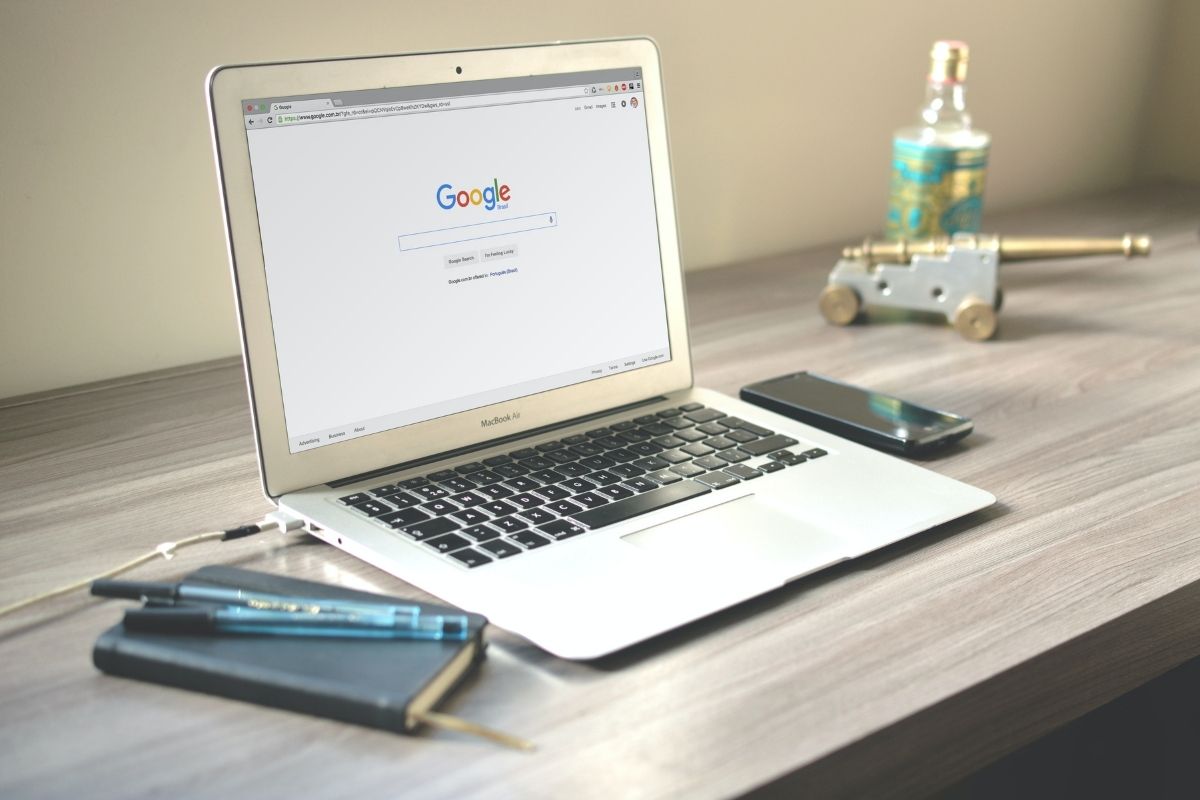
Education in India has always been seen in a very traditional way. The sacred bond between a teacher and student in a classroom environment was thought to be irreplaceable. Cut to 2021, where schools are shut, and every student in the country is sitting at home for his/her education, their future is at stake. The internet has played a critical role in revolutionising education and showed us how technology could simplify and facilitate learning sitting at home. Learning through the internet is very engaging, interactive and enables children to learn faster. It promotes curiosity and a self-learning model. Here’s how the internet has changed learning from traditional methods to new modern methods.



- Make Telecom Talk My Trusted Source



Online Classes Through Video Calls
In today’s locked up world, classes are being held on video calls. This enables educators and teachers to keep track of the attentiveness of students in a class. Online classes on video calls allow students to learn from the comfort of their homes. Educators can also use various methods to present interactive content to their students making learning more fun.
Leveraging Visual Mediums for Learning
A crucial element that had been missing in the traditional ways of education was not being able to visually present what is being taught. This promoted a textbook culture where students could only see pictures of what is being taught to them in class. With learning through the internet, educators can create interactive visual content regarding the topic at hand. Augmented Reality has enabled almost everything to be created visually, and this has been increasingly leveraged in online learning platforms.