For most individuals, having Wi-Fi in their homes, workplaces, and numerous other locations is essential. To avoid using more expensive cellular data allowances, it is feasible to offload data from the cellular network to the Wi-Fi. Choosing the appropriate Wi-Fi router to purchase is crucial. There are several factors to take into account when choosing the best Wi-Fi router to purchase.
Very early routers used IEEE802.11a or 802.11b; since then, a lot has changed. Sometimes they are compatible with a few of the most recent versions, but if the router will be used for a while, it is best to make sure that it adheres to the most recent standard. The router’s performance will be at its peak in this method. They can still support older devices that need connections because they are backwards compatible. You may find 802.11ac, the newest standard, on all modern routers. In comparison to the previous 600 Mbps cap, this indicates that the router can support speeds of up to Gigabit.
Wi-Fi Speed Specifications
All manufacturers, as would be expected, will state the maximum speed that the most recent 802.11 standards that the router supports can offer. These speeds hardly ever occur in the actual world; rather, they only do so in a laboratory under ideal circumstances. Even though manufacturers advertise the fastest speeds possible, the majority of routers still allow for the streaming of high-definition video, barring signal issues, significant user traffic, or interference.
Routers With MU-MIMO
This feature will enable faster data delivery from routers. Additionally, MU-MIMO is undoubtedly beneficial if many users are connected to video services.
Some contemporary routers have innovative features that can greatly boost speed and signal strength. Instead of blanketing the entire area with the same signal strength, the router can direct the signal towards particular devices via beam-forming or spatial filtering.
Router Antennas
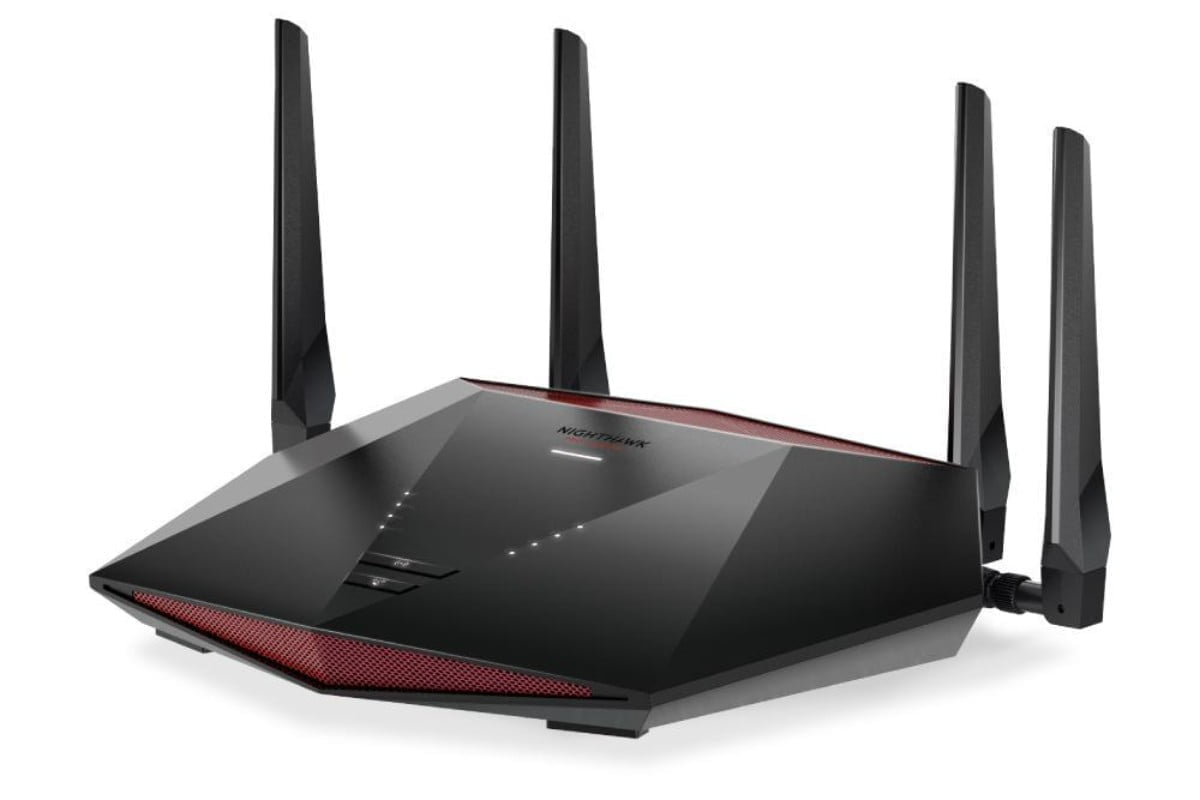
Any wireless device’s antenna is crucial, and Wi-Fi routers are no exception. When choosing a Wi-Fi router, this factor should be taken into account. When comparing routers, it is possible to observe which models have antennas sticking out from the case, usually on the top. Other routers with inbuilt antennae typically have a more attractive appearance, but the signal they broadcast is not as strong. A router’s position cannot be adjusted for antennal antennas. This can help while looking for the best coverage.
Security
Make sure it utilises WPA2 at the very least when choosing the best router to purchase (the second implementation of the Wi-Fi Protected Access protocol). For this to function, every device connected to the network must also support WPA2, though. Security is only as strong as the weakest component.
The top-tier makers of reliable routers are fully aware of the necessity for security and create their products with excellent family or company security in mind. These devices include a tonne of added functionality, such as the capacity to monitor devices, add additional encryption, ban unauthorised users from the network, and even observe web traffic. Verify the facilities’ suitability by examining what is offered.
If this article saved you time or helped you decide better, consider supporting our work.
 Support Telecomtalk