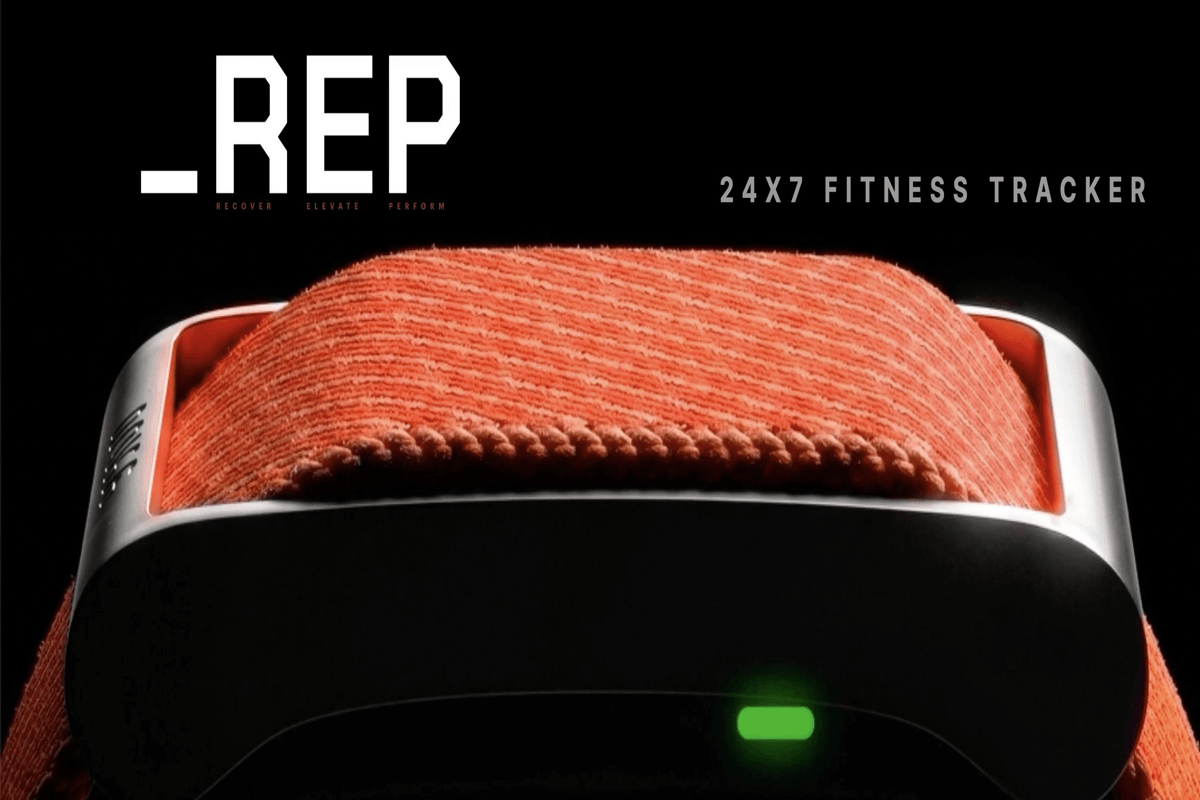
Most smartwatches compete by offering displays, more watch faces, Bluetooth calling and additional notifications. The Noise REP Band takes a different route. It removes the screen entirely and focuses on what happens behind the scenes: sleep quality, how the body responds to exercise, and whether users are ready for another workout.
Noise REP takes a different approach to fitness tracking, ditching the display for continuous health monitoring, recovery insights, and a subscription-free app experience.
Priced at ₹9,999, the REP Band is Noise’s entry into the screenless fitness-tracking segment. Its appeal lies less in a feature no rival offers and more in combining health metrics with a business model that doesn’t require a recurring subscription.
Unlike smartwatches, the REP Band does not try to replicate a smartphone on the wrist. It continuously collects health and activity data. Presents the results through the NoiseFit app available on Android and iOS.
The band tracks heart rate, heart-rate variability (HRV), sleep, stress, blood oxygen levels and respiratory rate. It also provides Sleep, Recovery, and Effort scores to help users interpret their activity and rest patterns without relying on raw numbers alone.
This approach lets people monitor fitness day and night without checking messages, answering calls, or interacting with a display every minute.
Also Read: Samsung’s Gemini AI Glasses Could Change Wearables
Its Biggest Difference Is No Subscription
The key differentiator is the pricing model. Noise says users can access the REP Band’s health metrics, recovery scores and AI-generated daily health highlights without paying a subscription.
That matters because some competing screenless wearables charge membership fees for access to analytics and coaching. WHOOP, for example, bundles its experience with paid membership plans, while Google’s Fitbit Air offers a mix of health tracking and subscription-linked coaching features.
Noise is therefore competing on the cost of ownership, not just the device’s initial price. At ₹9,999, the REP Band targets buyers who want more than step counting without committing to recurring payments for their health data.
Noise Says It Is Calibrated for Skin Tones
Another claimed differentiator is the REP Band’s optical sensing system. Noise says it has calibrated the sensor for Fitzpatrick skin types II through VI, aiming to support tracking across a range of skin tones.
The company also reported a heart-rate difference of -0.06 beats per minute against a Polar chest strap during its own outdoor-running trials. This is a company-reported result, not a guarantee of accuracy across every user and activity.
The distinction is worth examining because movement, fit, skin characteristics, and workout conditions can affect optical wearables. Independent testing across users and activities will be important to establish how consistently the REP performs in use.
A Ten-Day Battery Supports Continuous Tracking
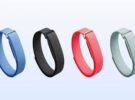
The REP Band weighs 27 grams. Uses a stainless-steel frame with a woven strap. Noise claims up to 10 days of battery life along with water resistance.
Its six-axis motion sensor combines an accelerometer and gyroscope, enabling it to detect activities such as walking, running, cycling, rowing, and elliptical workouts. The band relies on a paired phone for connectivity and GPS-related functionality rather than offering built-in GPS.
The screenless design also changes the experience: users must open the companion app to review their metrics instead of glancing at their wrist. For some, that means distractions; for others, it may feel less convenient during workouts.
How It Differs From WHOOP and Fitbit Air
Noise REP isn’t the only screenless tracker on the market. WHOOP has established a recovery-focused approach, while Google’s Fitbit Air combines a wearable with the Google Health ecosystem and AI-assisted coaching.
The REP’s clearest advantage is its ₹9,999 price and no mandatory subscription for core insights. Fitbit Air is lighter and integrates with Google’s health platform, while WHOOP offers an established training and recovery ecosystem for users willing to pay for membership.
The choice ultimately depends on whether users value affordability, app-based coaching, advanced training analytics or a broader connected-health ecosystem. Noise’s approach is particularly appealing to people who want to start tracking sleep and recovery without taking on a fee.
Can Noise Make Screenless Wearables Mainstream?
The REP Band highlights a shift in wearable technology: some consumers may prefer devices that collect health data quietly rather than constantly demand attention.
However, removing the screen is not enough to make a tracker compelling. Its long-term value will depend on the accuracy of its readings, the usefulness of its recovery recommendations, comfort during sleep and how clearly its app turns data into decisions.
Also Read: Apple, Fitbit, Whoop, Pebble: Fitness Trackers Compared
Noise REP’s proposition is straightforward: focus on health insights, keep the device unobtrusive, and avoid recurring charges. Whether a conventional smartwatch can match that experience depends on what the buyer actually wants from a wearable.
For people who primarily want notifications and on-wrist controls, a smartwatch remains the versatile choice. For those who care more about sleep, recovery and fitness trends, Noise REP offers a kind of value.
Some people read for free. A few choose to support. If you found TelecomTalk useful, you can help keep us running.
FAQs
What is the Noise REP Band price in India?
It was announced at an introductory pre-booking price of ₹9,999. Check Noise’s current listing for the latest price and availability.
Does Noise REP have a display?
No. It is a screenless fitness band, with detailed health data available through the NoiseFit app.
Does Noise REP require a subscription?
Noise says its health metrics, recovery scores and AI-generated daily health highlights are available without a recurring subscription.
How is Noise REP different from a regular smartwatch?
It prioritises continuous health monitoring, sleep and recovery insights rather than a display, apps, calls and on-wrist notifications.
Is Noise REP better than WHOOP or Fitbit Air?
That depends on the user. Noise REP stands out for its no-subscription approach and introductory price, while competitors offer different tracking features, coaching experiences and app ecosystems.
 Support Telecomtalk