Support Telecomtalk







Andrew Bonwick
Vice President of Product Development at Relm Insurance

Madhav Sheth
CEO of Ai+ Smartphone

Stephen Rose
CEO Render Networks



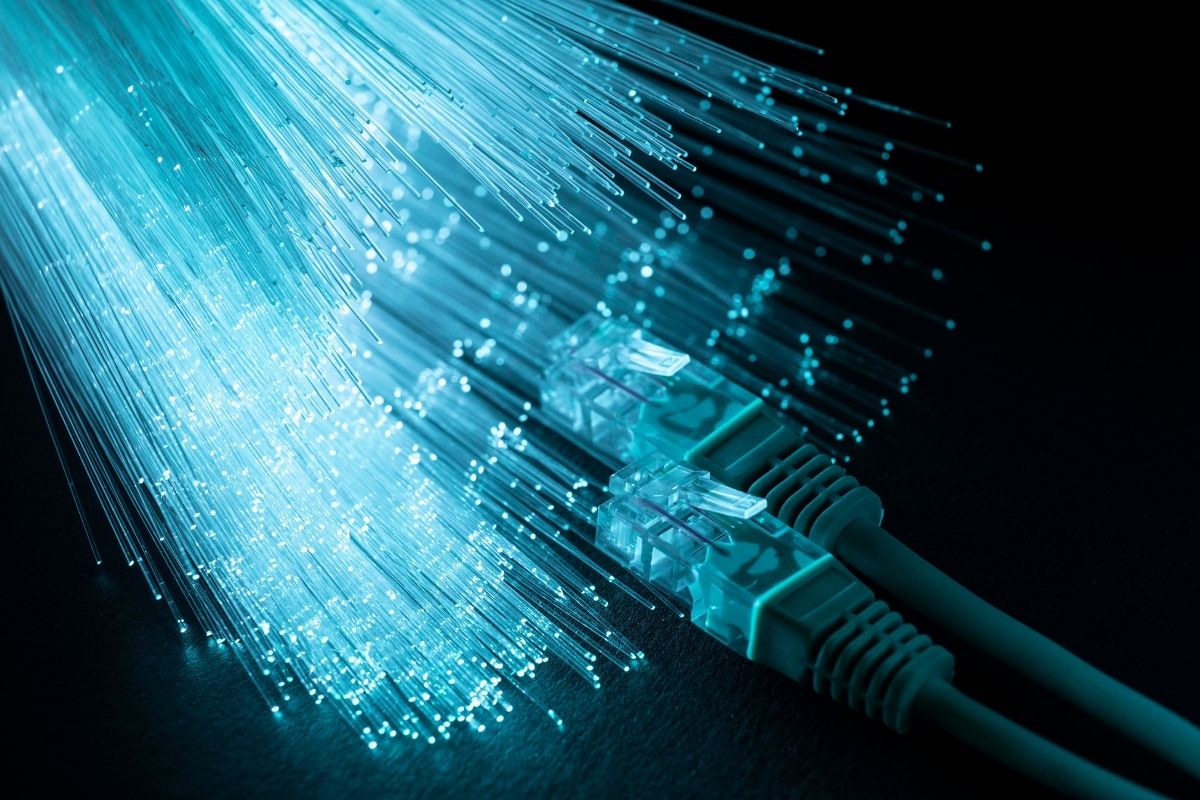
Like everything, technology also its pros and cons. While we all know the pros that technology brings to our lives, in recent years, technology has started to face backlash for its negative attributes. One segment that is majorly impacted by the growth of technology is the environment we live in. However, innovators in the tech space are being mindful of the environmental impact of the technology they create and are coming up with solutions for the same, which lets technology co-exist with the environment. Fibre Optic Broadband Technology is one step towards a sustainable future. Fibre Optic Broadband Technology uses fibre optic cables made up of thin glass strands and are of the diameter of a human hair. The Fiber Optic Broadband Technology can transmit data, voice and images at the speed of light. There are many elements or features of the Fiber Optic Broadband Technology that makes it very environmentally friendly.



- Make Telecom Talk My Trusted Source



Fibre Optic Broadband Technology Uses Eco-friendly Material
Traditionally, broadband bandwidth was transferred using copper wires as a medium. Copper is a metal that has to be mined. Copper mining releases chemical toxins like Sulphur Dioxide that impacted the environment and were the cause of acid rains. Acid rains not only harm vegetation but also has harmful effects on the human skin. Fibre Optics, on the other hand, are made of thin strands of glass. The natural compound that creates glass is Silicon Dioxide, which does not produce harmful chemicals.