ASUS Brings New Wi-Fi 8 Router, First in the World
Asus has included a feature called AI Game Boost, a three-level acceleration system designed to prioritize gaming traffic from the user's device all the way to the game server. According to the company, the feature can reduce latency by up to 34 percent, potentially delivering smoother online gameplay and faster response times.
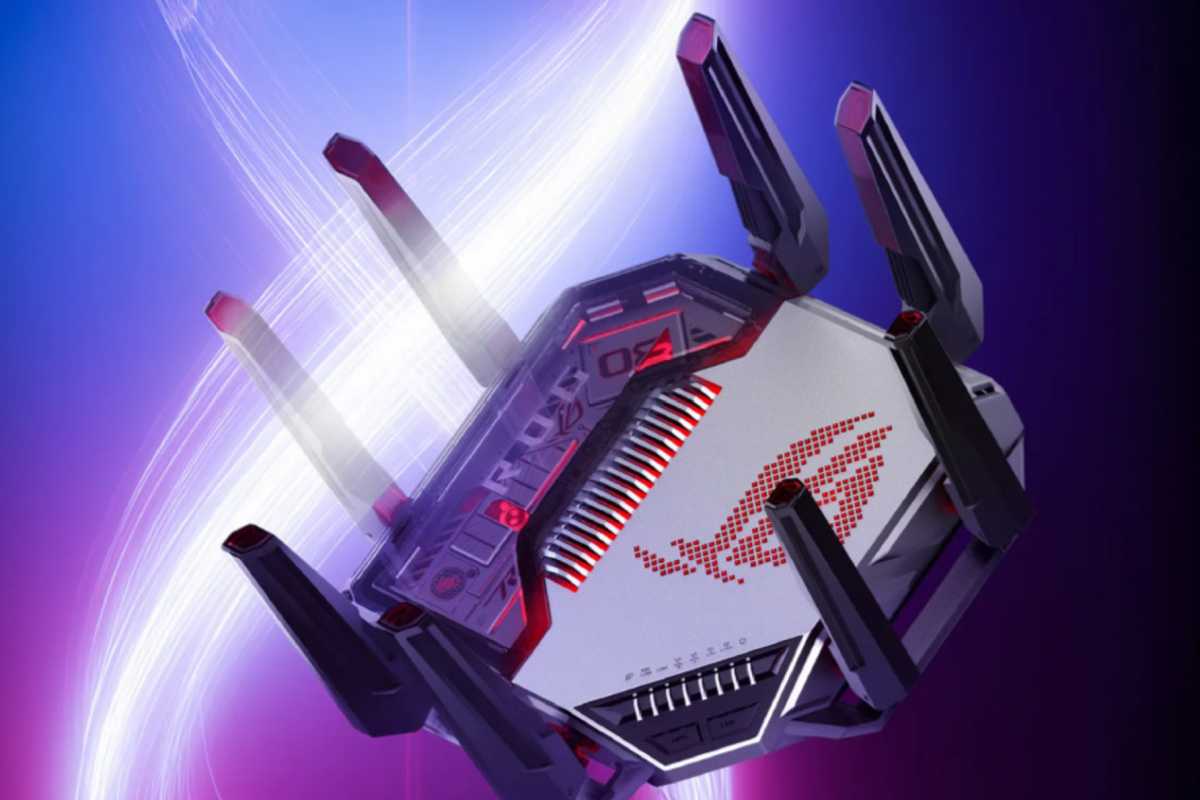
The next generation of Wi-Fi technology is beginning to take shape, and Asus wants to be among the first companies ready for it. The company has unveiled the Asus ROG Rapture GT-BN98 Pro, which Asus describes as the world’s first Wi-Fi 8 gaming router. The launch comes even though the Wi-Fi 8 standard, officially known as IEEE 802.11bn, has not yet been finalised.
Make Telecom Talk My Trusted Source
Key Highlights
ASUS has unveiled the ROG Rapture GT-BN98 Pro, which it claims is the world’s first Wi-Fi 8 gaming router.
Wi-Fi 8 is expected to focus more on reliability, lower latency, wider coverage, and stable multi-device performance rather than just peak speeds.
The router includes gaming-focused features such as AI Game Boost and a dedicated 10G gaming port designed to reduce latency during online gameplay.
Asus says the GT-BN98 Pro can deliver up to twice the throughput and IoT coverage compared to previous-generation networking solutions.
The router is designed for future smart homes with support for multi-gigabit networking, enhanced security tools, VPN support, and advanced traffic management features.
The announcement offers an early glimpse into where home networking could be headed over the next few years. Unlike earlier Wi-Fi upgrades that were largely marketed around higher peak speeds, Wi-Fi 8 is being positioned around better reliability, lower latency, stronger coverage, and more consistent performance in real-world environments.
Asus ROG Rapture GT-BN98 Pro: What Makes Wi-Fi 8 Different?
Wi-Fi 8 is being developed as the successor to Wi-Fi 7. While previous generations often focused on delivering faster theoretical speeds, Wi-Fi 8 is expected to concentrate on improving the quality of wireless connections in everyday usage.
According to Asus, the GT-BN98 Pro can deliver up to twice the throughput and twice the IoT coverage compared to previous-generation solutions. The company says these improvements become particularly noticeable in medium-to-long-range scenarios where Wi-Fi signals often weaken, such as upper floors, garages, gardens, or rooms located farther away from the router.
Another major focus of Wi-Fi 8 is improving communication between routers and connected devices. As homes continue to add smart TVs, cameras, speakers, sensors, and connected appliances, maintaining stable connections across dozens of devices is becoming increasingly important.
Rather than simply pushing for higher peak speeds, the next generation of Wi-Fi aims to deliver a more dependable experience across the entire home.
A Router Built for Gamers
As expected from the Republic of Gamers (ROG) brand, gaming remains a major focus of the new router. Asus has included a feature called AI Game Boost, a three-level acceleration system designed to prioritize gaming traffic from the user’s device all the way to the game server. According to the company, the feature can reduce latency by up to 34 percent, potentially delivering smoother online gameplay and faster response times.
The hardware itself is equally impressive. The GT-BN98 Pro comes equipped with dual 10GbE ports supporting link aggregation, four 2.5GbE ports, and an additional 1GbE port. Asus has also included a dedicated 10G gaming port that automatically prioritizes gaming traffic without requiring any manual setup.
For households with multi-gigabit fiber broadband connections, the router is positioned as one of the most powerful consumer networking products Asus has introduced so far.
Designed for Growing Smart Homes
While gaming is a major selling point, Asus is also targeting users with increasingly connected homes. The number of smart devices inside households continues to grow, from security cameras and smart speakers to connected appliances and home automation systems. Each new device places additional demands on the home network.
To address this, the GT-BN98 Pro includes features such as guest networks, VLAN controls, VPN support, enhanced AiProtection security tools, and real-time Wi-Fi interference monitoring. These capabilities are intended to help users manage more complex home networks while maintaining security and performance.
Asus also says Wi-Fi 8’s enhancements could help low-power IoT devices maintain more stable connections, an area that is becoming increasingly important as smart home adoption expands.
Built for the Next Generation of Home Networks
Beyond wireless performance, Asus has also focused on thermal management. The company says the router uses a thicker aluminum top plate, an upgraded nanocarbon coating, and a redesigned airflow system that improves heat dissipation by up to 35 percent compared to the earlier Asus ROG Rapture GT-AXE16000.
That may sound like a small detail, but it becomes increasingly important as routers handle higher data loads, advanced security functions, and AI-powered optimization features. Better cooling can help maintain consistent performance during extended periods of heavy usage.
Although Asus has not yet disclosed pricing or complete wireless specifications, the launch demonstrates how networking vendors are already preparing for the Wi-Fi 8 era even before the standard officially arrives.
The Future of Home Connectivity
For most consumers, Wi-Fi 7 routers will remain more than sufficient for the foreseeable future. Wi-Fi 8 devices, smartphones, laptops, and other client hardware are still some distance away from becoming mainstream, meaning widespread adoption will take time.
Yet the Asus ROG Rapture GT-BN98 Pro is not really about what consumers need today. Instead, it offers an early look at where home networking is headed. Future Wi-Fi networks are likely to focus not only on faster speeds but also on better reliability, wider coverage, lower latency, and stronger support for a growing number of connected devices.
That shift reflects how internet usage is changing. Homes today are filled with smartphones, smart TVs, gaming consoles, security cameras, smart speakers, and a growing number of connected appliances. As broadband speeds continue to rise and households add more connected devices, maintaining a stable connection throughout the home is becoming just as important as achieving faster download speeds.
Whether Wi-Fi 8 arrives in consumer devices next year or takes a little longer, Asus’ latest announcement makes one thing clear: networking companies are already preparing for the next phase of wireless connectivity, and the race to define that future has already begun.
A small group of TelecomTalk readers helps keep this platform running. Support us if you find our work valuable.
FAQs
What is the Asus ROG Rapture GT-BN98 Pro?
The Asus ROG Rapture GT-BN98 Pro is a next-generation gaming router announced by Asus with support for upcoming Wi-Fi 8 technology.
What is Wi-Fi 8?
Wi-Fi 8, officially known as IEEE 802.11bn, is the next generation of Wi-Fi technology focused on improving reliability, coverage, latency, and connection stability.
Is Wi-Fi 8 officially available yet?
No, the Wi-Fi 8 standard has not been fully finalized yet, but networking companies like Asus are already preparing compatible hardware.
What gaming features does the router offer?
The router includes AI Game Boost, dedicated gaming traffic prioritization, low-latency optimization, and high-speed 10GbE connectivity for gamers.
Who is this router designed for?
The GT-BN98 Pro is aimed at gamers, smart home users, and households with high-speed broadband connections and multiple connected devices.
 Support Telecomtalk