Support Telecomtalk







Andrew Bonwick
Vice President of Product Development at Relm Insurance

Madhav Sheth
CEO of Ai+ Smartphone

Stephen Rose
CEO Render Networks



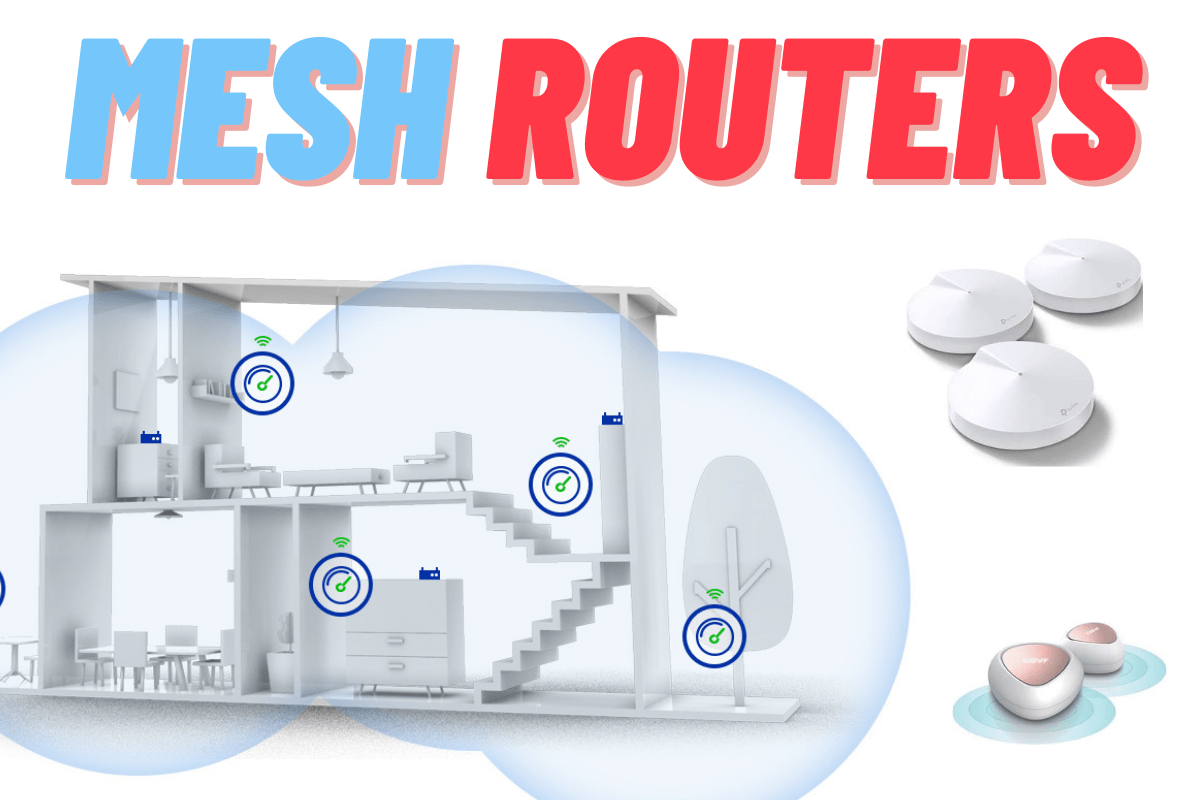
Wi-Fi mesh routers have become very essential for people who are working from their homes. Even after purchasing a high-speed broadband connection, the users face issues such as network drops and irregular speeds throughout their home. The reason behind such issues is the coverage of their Wi-Fi router. Due to a number of factors such as walls and the kind of distance the user is from their Wi-Fi router, network problems arise. One of the best ways to ensure that Wi-Fi coverage is excellent throughout the home is to use mesh routers. The mesh routers allow a user to spread the network coverage of Wi-Fi in the whole house with the help of nodes. There are different types of Wi-Fi mesh routers available in the market. Mentioned below are types of mesh routers you can choose from.



- Make Telecom Talk My Trusted Source



Shared Wireless Mesh Router
This is the most affordable kind of mesh router that is available in the market. It is a first-generation mesh device that uses the total bandwidth and distributes it across the nodes present in a home or office. The internet experience for the user will reduce quite substantially in case there are multiple devices connected to the Wi-Fi network since it shares the bandwidth across different nodes, it might not be suitable for people who have big families and all of whom rely on a single Wi-Fi network.