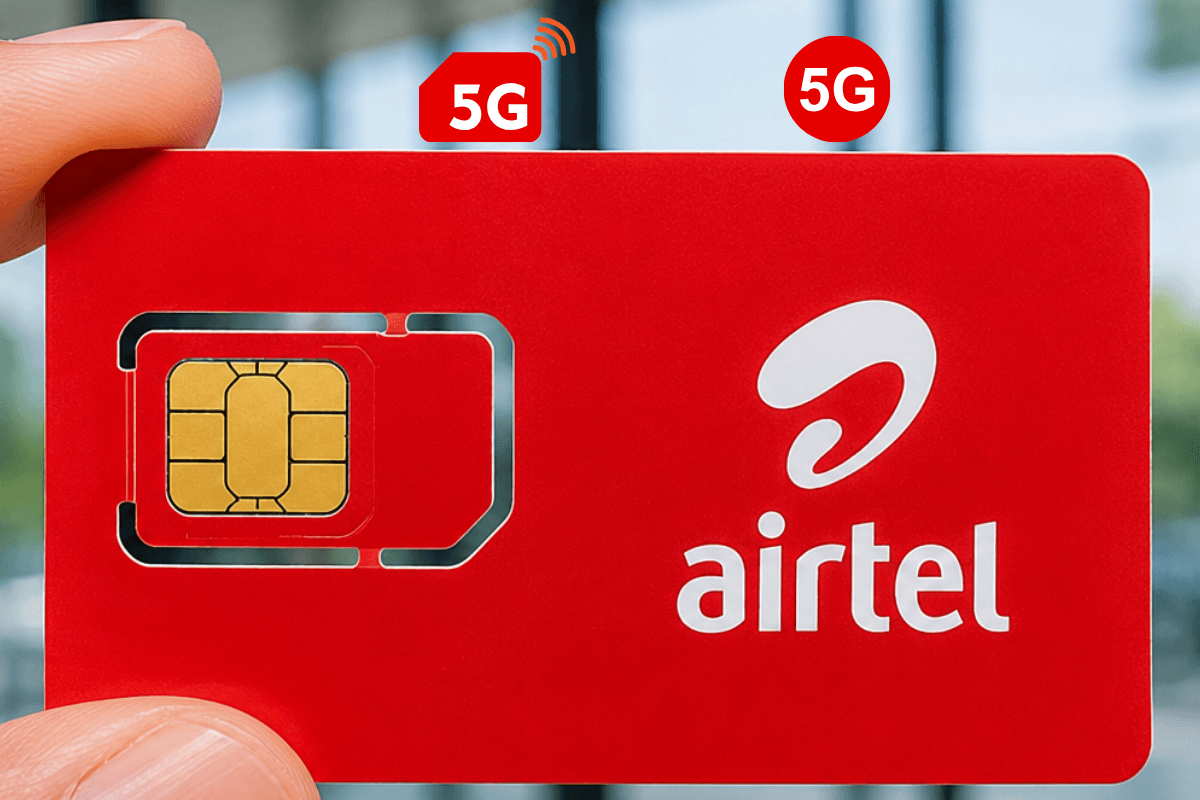
India’s telecom regulator has not found any immediate violation of net neutrality norms in Airtel’s recently launched Priority Postpaid service, according to an early assessment reported by PTI. However, the Telecom Regulatory Authority of India (TRAI) is continuing its examination of the offering to determine whether the use of 5G network slicing could have any impact on the quality of service experienced by other subscribers.
The development comes at a time when India’s telecom industry is debating how advanced 5G capabilities should be deployed and regulated. Airtel’s Priority Postpaid plans are among the first consumer-focused offerings in the country to leverage network slicing, a technology that allows operators to allocate dedicated network resources for specific services or user groups.
According to the report, TRAI’s preliminary assessment has not identified any reason for immediate concern from a net neutrality perspective. The regulator is nevertheless seeking additional information and clarifications from Airtel as part of a detailed review of the service.
Also Read: Bharti Airtel India CEO Says Users Can Diagnose Airtel Priority Readiness Through Airtel App
A key area of examination is whether allocating a dedicated slice of network resources to Priority Postpaid customers could affect service quality for other 5G users. TRAI is understood to be evaluating whether the enhanced experience promised to premium subscribers is delivered without degrading the performance available to the broader customer base.
Airtel has maintained that its Priority Postpaid service operates in a content-neutral manner and does not violate net neutrality principles. The operator has informed the regulator that the offering is designed to provide a more consistent user experience during periods of network congestion without impacting other customers.
Also Read: Ericsson CEO Says Bharti Airtel’s Network Slicing Can Support India’s AI-Ready 5G Future
The service was launched earlier this year with the promise of offering a “fast lane” experience for eligible postpaid subscribers. Using network slicing technology, Airtel says it can dynamically allocate network resources to maintain service quality, particularly in crowded locations and high-traffic situations.
The offering has attracted attention from policymakers and industry stakeholders. Last month, a Parliamentary Standing Committee sought inputs from the Department of Telecommunications and TRAI regarding the implications of 5G network slicing and similar services being deployed in international markets.
Also Read: Airtel Tops April 2026 Wireless Subscriber Gains, Jio Follows Closely: TRAI Report
The committee had raised concerns that priority-based services could potentially affect net neutrality principles if they result in preferential treatment that disadvantages other users. The issue has sparked a broader discussion on how emerging 5G capabilities should be governed as operators look for new ways to monetise next-generation networks.
Bharti Airtel has defended the service before policymakers, arguing that network slicing is a globally recognised 5G capability and that its implementation does not compromise service quality for prepaid users or other subscribers.
Reliance Jio, meanwhile, has reportedly favoured a more cautious approach, suggesting that such services should undergo detailed examination by regulators and relevant government authorities before wider deployment.
The ongoing review is likely to be closely watched across the telecom sector while TRAI’s initial assessment may ease some concerns around net neutrality, the regulator’s final conclusions could help shape India’s approach to consumer-focused 5G network slicing services in the years ahead.
For now, the regulator’s early view suggests that Airtel’s Priority Postpaid offering does not violate existing net neutrality norms, though a deeper examination of its long-term impact on network performance and user experience remains underway.
A small group of TelecomTalk readers helps keep this platform running. Support us if you find our work valuable.
FAQs
What is Airtel's Priority Postpaid service?
Airtel's Priority Postpaid service uses 5G network slicing technology to offer eligible subscribers a more consistent network experience, particularly during periods of congestion.
Has TRAI found Airtel's Priority Postpaid service to be in violation of net neutrality norms?
No. According to an early assessment, TRAI has not found any immediate net neutrality violation. However, the regulator is continuing its review and seeking additional information from Airtel.
Why is TRAI continuing to examine the service?
TRAI is assessing whether allocating dedicated network resources to Priority Postpaid users could impact the quality of service experienced by other 5G subscribers.
What is 5G network slicing?
Network slicing is a 5G capability that allows operators to create dedicated virtual segments of a network for specific services, applications, or user groups with different performance requirements.
Why has Airtel's Priority Postpaid service sparked debate?
The service has raised questions about whether premium network experiences could affect net neutrality principles or the quality of service available to other users, prompting regulatory and policy discussions.
 Support Telecomtalk