Support Telecomtalk






Highlights
- Retro gaming has enjoyed a resurgence in recent years, driven by players looking to revisit classic titles and younger audiences discovering older games for the first time.
- While software emulators have long provided a way to play vintage games on modern hardware, a growing segment of the gaming community is seeking something closer to the original experience.
- That demand is helping drive interest in FPGA-powered gaming devices, and ModRetro's upcoming M64 console is one of the latest examples of the trend.

Andrew Bonwick
Vice President of Product Development at Relm Insurance

Madhav Sheth
CEO of Ai+ Smartphone

Stephen Rose
CEO Render Networks



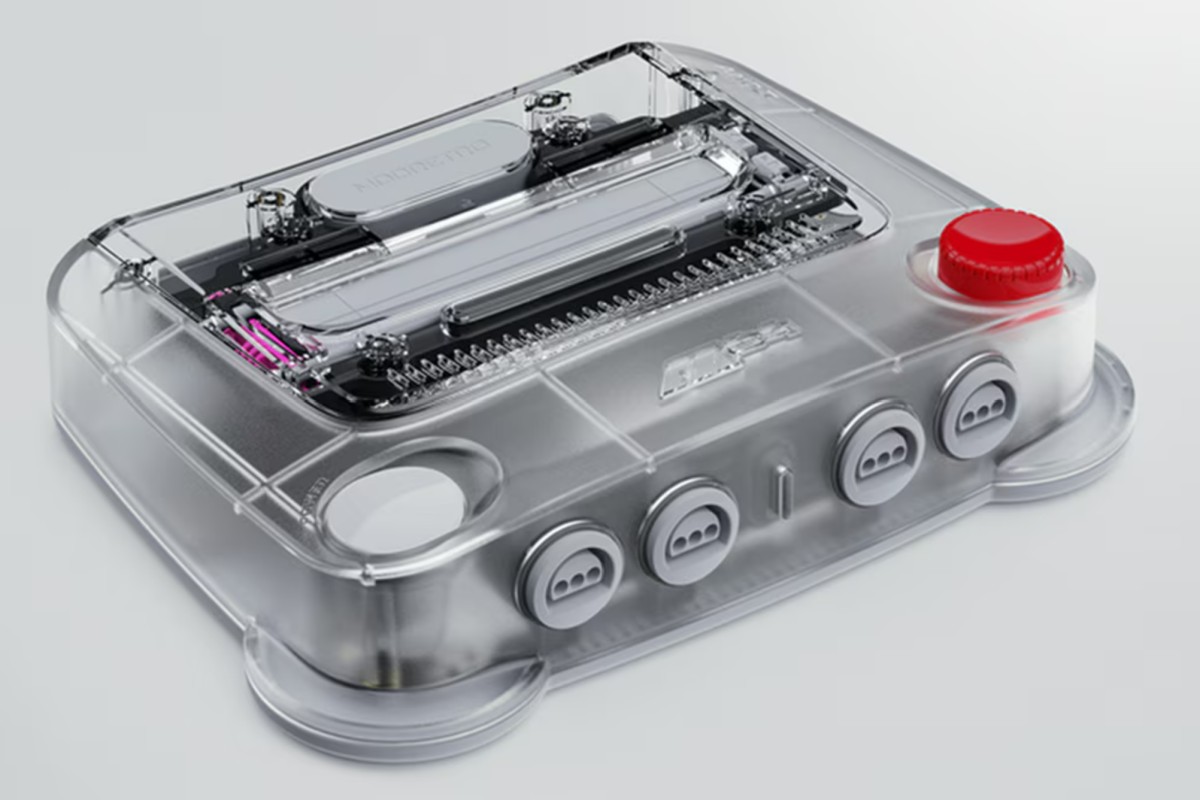
Retro gaming has enjoyed a resurgence in recent years, driven by players looking to revisit classic titles and younger audiences discovering older games for the first time. While software emulators have long provided a way to play vintage games on modern hardware, a growing segment of the gaming community is seeking something closer to the original experience. That demand is helping drive interest in FPGA-powered gaming devices, and ModRetro’s upcoming M64 console is one of the latest examples of the trend.
- Make Telecom Talk My Trusted Source



Key Highlights
- ModRetro is developing the M64, an FPGA-powered console designed to play original Nintendo 64 cartridges.
- The console uses an AMD Artix UltraScale+ FPGA to recreate Nintendo 64 hardware behavior at the hardware level rather than relying on software emulation.
- FPGA gaming devices are gaining popularity among retro gaming enthusiasts seeking a more authentic experience.
- The M64 aims to preserve compatibility with physical game collections while leveraging modern hardware technology.
- The project reflects a broader movement focused on preserving gaming history as original retro consoles become harder to maintain.



ModRetro, known for its FPGA-based gaming hardware, is developing the M64 console to support original Nintendo 64 cartridges. The company says the console is designed to recreate the experience of playing games on original hardware while taking advantage of modern technology at the heart of the system is an AMD Artix UltraScale+ FPGA, which helps replicate the behaviour of the original console at the hardware level.
Recreating the Original Gaming Experience
The growing interest in retro gaming is about more than simply revisiting old titles for many enthusiasts, preserving the original gameplay experience is just as important as preserving the games themselves.