Support Telecomtalk






Highlights
- Ericsson CEO Börje Ekholm said India has reached a new mobile technology milestone with Bharti Airtel’s advanced 5G move.
- Bharti Airtel is using 5G Standalone and advanced network slicing to deliver differentiated connectivity services for postpaid customers.
- Ericsson said these capabilities can help support new AI devices and applications that need consistent latency and uninterrupted performance.

Andrew Bonwick
Vice President of Product Development at Relm Insurance

Madhav Sheth
CEO of Ai+ Smartphone

Stephen Rose
CEO Render Networks



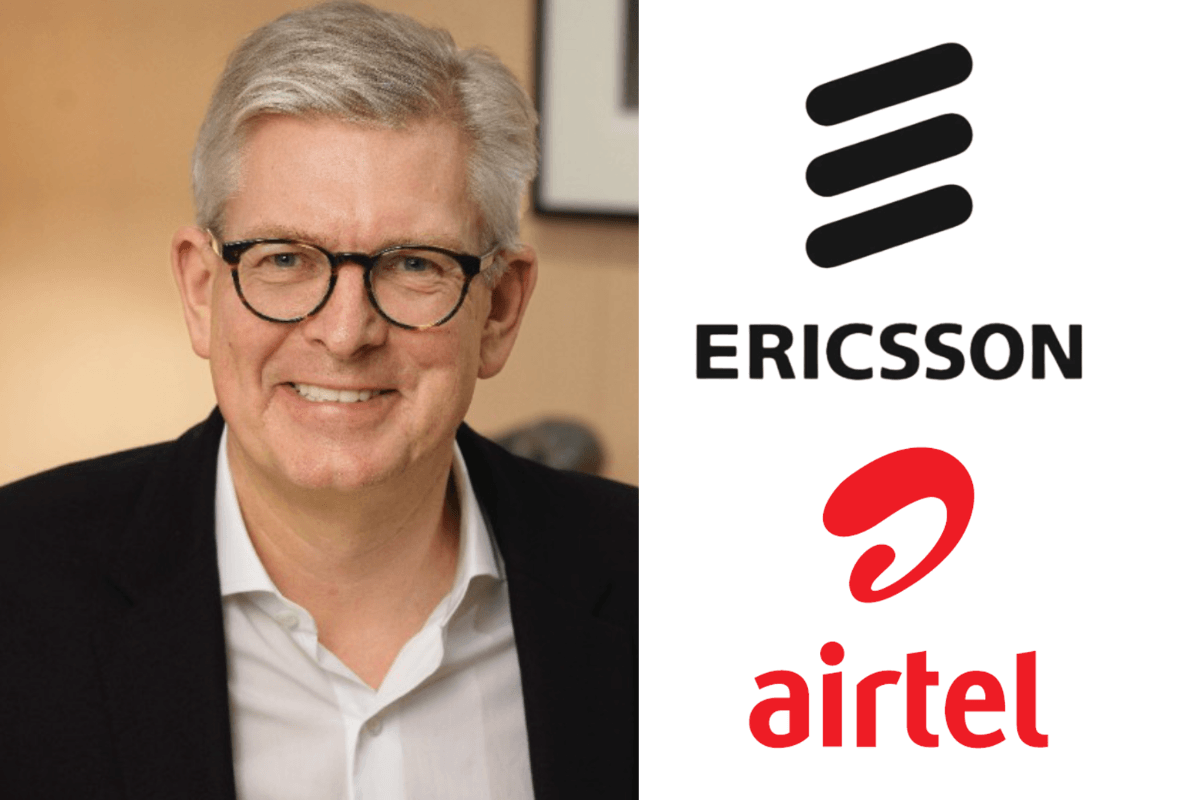
Ericsson President and CEO Börje Ekholm has said India has reached a new mobile technology milestone with Bharti Airtel’s launch of differentiated connectivity services for its postpaid customers.
- Make Telecom Talk My Trusted Source



Key Highlights
- Ericsson CEO Börje Ekholm said India has reached a new mobile technology milestone with Bharti Airtel’s advanced 5G launch.
- Bharti Airtel is leveraging 5G Standalone and advanced network slicing to deliver superior performance for postpaid customers.
- Ericsson said Airtel’s 5G capabilities can support future AI devices and applications that need consistent latency and uninterrupted performance.
- Bharti Airtel now joins frontrunner service providers in markets such as the USA, Singapore, Australia, and New Zealand.



In a LinkedIn post, Ekholm said India continues to be a digital frontrunner, supported by the successful implementation of Digital India over the last decade and a strong mobile infrastructure base. He said India’s mobile leadership has now reached a new milestone as Airtel brings advanced 5G capabilities to the market.
According to Ekholm, Bharti Airtel is leveraging 5G Standalone and advanced network slicing to enhance capacity and capability on its network. This allows the operator to deliver targeted superior performance for its postpaid customers.
The development is significant because India’s 5G story has so far largely been seen through the lens of rapid rollout, coverage expansion and speed. Airtel’s move shifts the discussion towards differentiated network experiences, where specific customer segments can be offered more consistent performance, especially in high-demand environments.
Ekholm said these capabilities will also support the introduction of new AI devices and applications, which require consistent latency and uninterrupted performance. This is an important point as telecom networks are expected to play a bigger role in enabling AI-led consumer and enterprise experiences in the coming years.