 Support Telecomtalk







Andrew Bonwick
Vice President of Product Development at Relm Insurance

Madhav Sheth
CEO of Ai+ Smartphone

Stephen Rose
CEO Render Networks



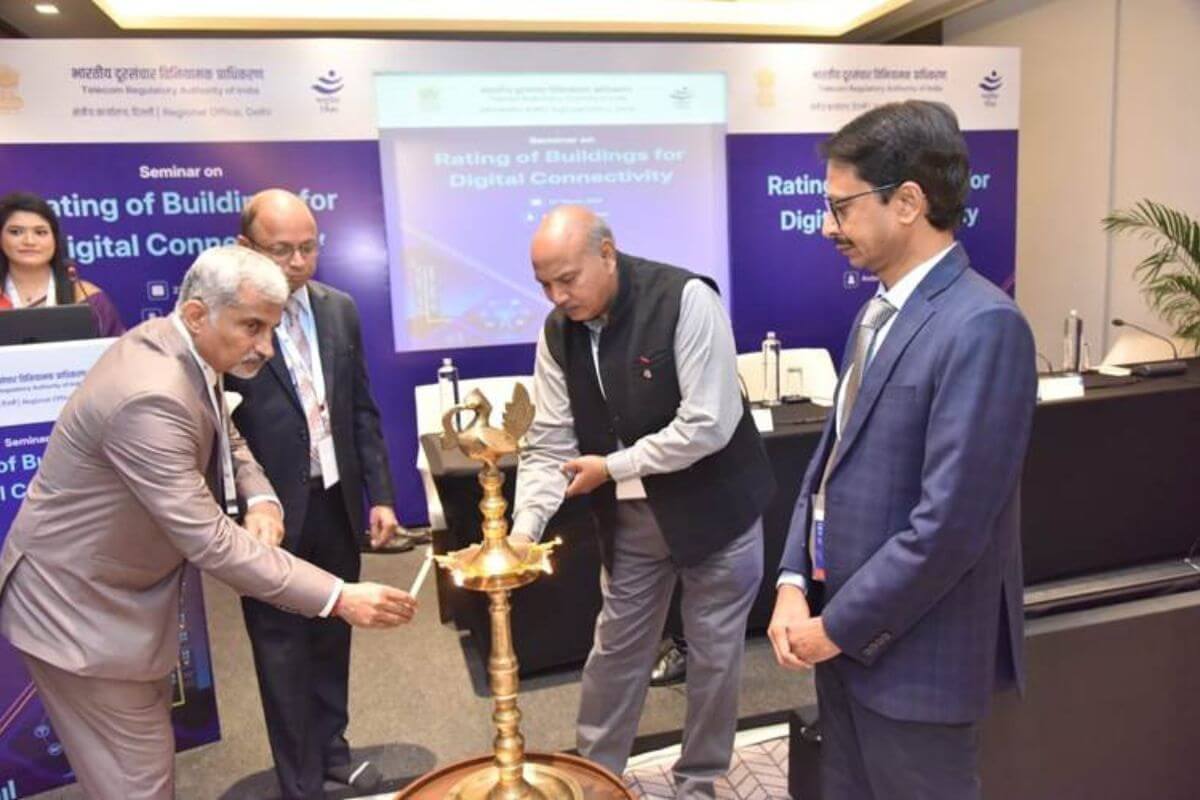
The Telecom Regulatory Authority of India (TRAI) Regional Office, Delhi, on Monday organised a seminar on “Rating of Buildings for Digital Connectivity” to promote awareness and facilitate implementation of its recently notified regulatory framework, according to an official statement from the Ministry of Communications dated March 23, 2026.
- Make Telecom Talk My Trusted Source



Seminar Focuses on Digital Connectivity Rating Regulations
The seminar was held in the backdrop of the “Rating of Properties for Digital Connectivity Regulations” issued by TRAI on October 25, 2024. The initiative aims to sensitise stakeholders to the importance of ensuring robust digital connectivity within buildings and to encourage voluntary adoption of the rating framework.
Pushpendra Kumar Singh, Principal Advisor, TRAI, inaugurated the seminar and delivered the keynote address, highlighting the growing need for reliable in-building digital infrastructure. Vivek Khare, Advisor, TRAI Regional Office Delhi, delivered the welcome address, while Tejpal Singh, Advisor (Quality of Service), TRAI, presented the Digital Connectivity Rating framework and addressed queries from participants.
Stakeholders Deliberate on Policy Integration and Implementation
The event witnessed participation from a wide spectrum of stakeholders, including officials from TRAI, the Department of Telecommunications (DoT), state governments such as Delhi, Himachal Pradesh and Jammu and Kashmir, Ministry of Housing and Urban Affairs (MoHUA), RERA authorities, builders, academia, telecom and internet service providers, as well as consumer organisations.
The Ministry noted that the seminar comprised three technical sessions focusing on regulatory provisions related to Digital Connectivity Rating (DCR), incorporation of these provisions into building bye-laws, and the processes, scope and challenges associated with implementation.
Industry, Government and Academia Join Hands
Speakers representing TRAI, MoHUA, infrastructure providers, digital connectivity rating agencies, telecom equipment manufacturers, builders and residents’ associations shared insights and deliberated on various aspects of improving digital connectivity in buildings.
TRAI emphasised its commitment to working collaboratively with governments, industry, academia and other stakeholders to drive the adoption of digital connectivity standards and enhance the quality of telecom services for consumers.