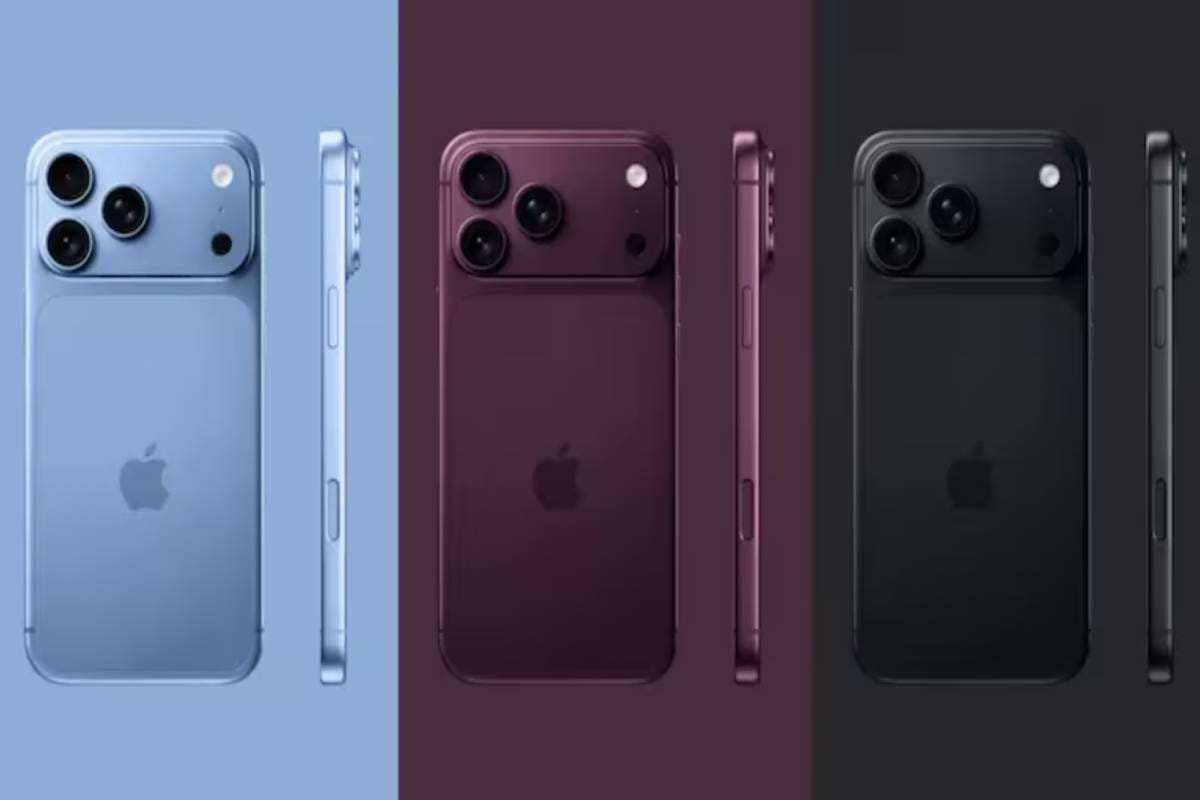
iPhone 18 Pro May Bring a Moving Lens Camera Without a Major Price Shock
Reports suggest Apple could introduce a variable aperture camera on the iPhone 18 Pro while absorbing some of the higher hardware costs instead of passing them directly to consumers.
For years, Apple has relied heavily on computational photography to improve the camera experience on the iPhone. While rivals often highlighted bigger sensors, higher megapixel counts, or unusual camera hardware, Apple typically focused on software processing and image tuning. That approach has worked well, helping iPhones remain among the most popular smartphonecameras in the world.
Make Telecom Talk My Trusted Source
Key Highlights
The iPhone 18 Pro is rumored to feature a variable aperture camera system, potentially marking one of Apple's biggest camera hardware upgrades in years.
Variable aperture technology could improve low-light photography, portrait shots, and overall image quality across different lighting conditions.
Reports suggest the new lens system is around 50% more expensive than the camera hardware currently used in Apple's Pro models.
Despite the higher component costs, Apple is not expected to significantly increase iPhone 18 Pro pricing solely because of this camera upgrade.
The move signals a greater focus on meaningful hardware improvements alongside Apple's existing computational photography capabilities.
However, the iPhone 18 Pro could mark a notable shift in strategy.
Recent supply-chain reports suggest Apple is planning to introduce a variable aperture camera system on the iPhone 18 Pro series. The technology is reportedly more expensive than the premium lens systems currently used in Apple’s Pro models, but there are no strong indications yet that the company intends to significantly increase prices to compensate for the added cost.
If the reports prove accurate, this could become one of the most meaningful camera hardware upgrades Apple has introduced in years.
What the Camera Upgrade Could Bring
The biggest change is expected to come from the primary rear camera. Unlike a conventional smartphone camera that uses a fixed aperture, a variable aperture system can physically adjust the amount of light entering the sensor. In simple terms, the camera can adapt more effectively to different lighting conditions.
When shooting in low-light environments, the lens can open wider to allow more light to reach the sensor. In bright outdoor conditions, it can narrow the aperture to improve image control and potentially deliver more natural depth effects.
For users, the process would likely remain automatic. Most people may never need to adjust anything manually. Instead, the camera system would make decisions in the background to optimise image quality depending on the scene being captured.
The result could be better low-light photography, improved portrait shots, and more flexibility across a wider range of shooting conditions.
Why the New Lens System Is More Expensive
According to industry reports, the variable aperture mechanism required for the new camera system is considerably more complex than the fixed-aperture systems used in current iPhones.
Supply-chain sources indicate the component may carry an average selling price roughly 50 percent higher than the premium lens systems currently found in Apple’s Pro devices.
That increase comes from additional engineering requirements, moving mechanical parts, and stricter manufacturing tolerances. Smartphone makers have experimented with variable aperture technology before, but implementing it at the scale Apple operates can be particularly challenging.
Producing tens of millions of units while maintaining consistency and reliability is very different from launching a niche flagship device in limited volumes.
That makes the reported cost increase easier to understand.
Why Apple May Be Willing to Absorb the Cost
Perhaps the most interesting aspect of the reports is not the technology itself but Apple’s apparent willingness to absorb some of the added expense.
Over the past few years, smartphone innovation has become increasingly difficult to communicate to consumers. Faster processors, AI features, and software enhancements certainly matter, but many buyers struggle to notice major day-to-day differences between generations.
Camera improvements remain one of the few upgrades that consumers can immediately see and appreciate. A meaningful hardware improvement could therefore help Apple strengthen the appeal of its Pro lineup without necessarily relying on large design changes.
The premium smartphone market has also become more competitive. Manufacturers across the Android ecosystem continue to invest heavily in camera hardware, imaging systems, and specialised photography features.
By introducing a more advanced camera system while maintaining relatively stable pricing, Apple could potentially increase the perceived value of the iPhone 18 Pro without creating additional price concerns for buyers.
What It Could Mean for Users
If the reports are accurate, the real benefit may not be a single headline feature but rather a more consistent photography experience.
Many smartphone users simply want better photos regardless of the lighting conditions. They are less concerned about technical specifications and more interested in reliable results.
A variable aperture system has the potential to improve performance across multiple scenarios, whether someone is taking pictures indoors, outdoors, at night, or during travel.
Importantly, the upgrade would represent a genuine hardware change rather than another software-driven enhancement. That alone makes the rumour stand out, given Apple’s recent focus on computational photography and AI-powered image processing.
Why Apple Appears Ready to Spend More This Time
Apple is still many months away from officially unveiling the iPhone 18 Pro series, and supply-chain reports should always be treated with caution until the company confirms its plans.
Even so, the rumoured variable aperture camera is shaping up to be one of the more interesting developments surrounding the next-generation iPhone. If Apple successfully delivers the technology while keeping pricing largely under control, the iPhone 18 Pro could offer a camera upgrade that users actually notice in everyday photography rather than just on a specification sheet.
Some people read for free. A few choose to support. If you found TelecomTalk useful, you can help keep us running.
FAQs
What is the rumored camera upgrade for the iPhone 18 Pro?
The iPhone 18 Pro is expected to feature a variable aperture camera system that can physically adjust the amount of light entering the sensor.
How does a variable aperture camera benefit users?
It can automatically adapt to different lighting conditions, potentially improving low-light photography, portrait images, and overall photo consistency.
Why is the variable aperture system more expensive?
The technology requires additional engineering, moving mechanical components, and more complex manufacturing processes compared to fixed-aperture camera systems.
Will the iPhone 18 Pro become more expensive because of this upgrade?
Current reports suggest Apple may absorb much of the additional hardware cost and is not expected to significantly raise prices because of the new camera system alone.
Why is this upgrade important for Apple?
Camera improvements remain one of the most noticeable smartphone upgrades for consumers, and a meaningful hardware enhancement could help Apple strengthen the appeal of the iPhone 18 Pro lineup.
 Support Telecomtalk