
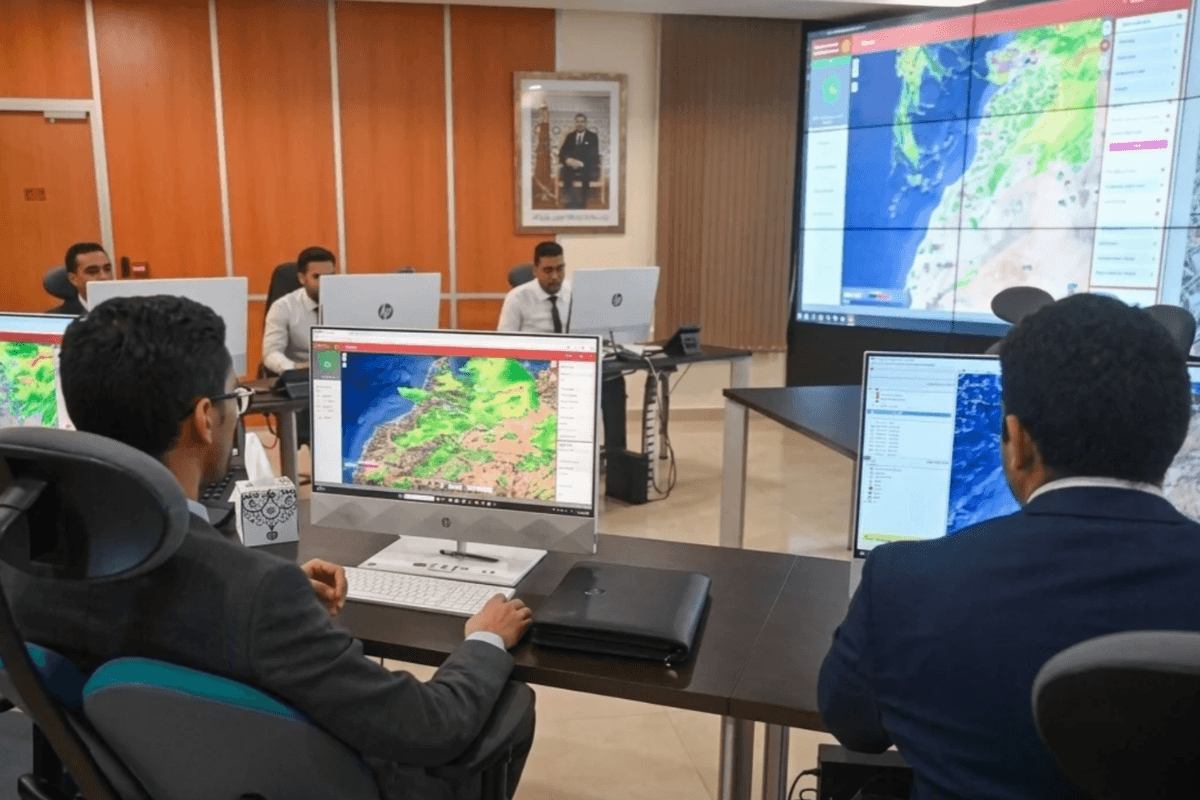
Morocco plans to launch a national emergency phone alert system in December 2026 after field tests in several provinces. The system, called MA-INDAR, combines Cell Broadcast and location-based SMS to send warnings to phones in an area facing a hazard. Residents and visitors are within its intended reach, and receiving an alert will require neither an app nor advance registration, according to Intersec, the company that deployed it.
Key Highlights
- Intersec said field tests held on November 24 and 26 were successful.
- Morocco’s Interior Ministry is leading the rollout with the national telecom regulator and Maroc Telecom, Orange Maroc and inwi.
- Morocco plans to send alerts in Arabic, French and English.
- Cell Broadcast sends a warning simultaneously to compatible phones in a defined area.
- India’s SACHET platform already delivered geographically targeted SMS alerts before the Cell Broadcast launch.
Intersec said on November 27 that the field tests on November 24 and 26 were successful. Morocco’s Interior Ministry is leading the rollout in coordination with the national telecom regulator and three mobile operators, Maroc Telecom, Orange Maroc and inwi. December remains the target for the service to begin.
What Morocco Tested Before the December Launch
The Interior Ministry’s test schedule listed Sidi Aayad and Azemmour for November 24 and Taourirt, Khenifra, El Hajeb and Ifrane for November 26. The field exercises followed an initial round of technical tests. The ministry said test messages required no action from recipients. In a real emergency, the messages are expected to explain the danger, its severity and likely timing, and the steps people should take.
With Cell Broadcast, a mobile network can send the same warning at once to compatible phones served by selected cell sites. Someone passing through an affected area can therefore be within reach of the alert. On supported phones, the text can appear with a distinctive sound. Location-based SMS provides a second delivery channel for reaching mobile users in an affected area. Intersec says the system will deliver alerts in Arabic, French and English.
The focus on location matters for visitors. Someone travelling through a province at risk of flooding may have no reason to install a local warning app before arrival. Sending the message directly to phones in that area makes it possible to reach the traveller alongside people who live there. Morocco’s announcements describe that intended reach. They do not detail how each handset or international roaming arrangement will handle the two delivery channels.
How India Uses Cell Broadcast for Emergency Alerts
India launched its homegrown Cell Broadcast system on May 2, 2026. The Centre for Development of Telematics developed it under the Department of Telecommunications, working with the National Disaster Management Authority and the Ministry of Home Affairs. A nationwide test accompanied the launch. The system integrates with the NDMA’s SACHET platform, which already sent emergency warnings by geographically targeted SMS.
TelecomTalk previously reported on India’s nationwide testing of disaster alerts before the May launch. India’s Ministry of Communications says authorities can target a single cell tower or a cluster of towers and that the system can reach roaming users in a targeted area. Depending on handset support, an alert can appear as a priority pop-up with a loud tone, and some phones can read the message aloud.
The shared feature is that authorities in both countries can send a warning based on where a phone is at the time. India added Cell Broadcast to its existing SACHET platform, while Morocco is bringing Cell Broadcast and location-based SMS together under MA-INDAR. For Morocco, the next milestone after the November exercises is the start of service planned for December.


