Support Telecomtalk







Andrew Bonwick
Vice President of Product Development at Relm Insurance

Madhav Sheth
CEO of Ai+ Smartphone

Stephen Rose
CEO Render Networks



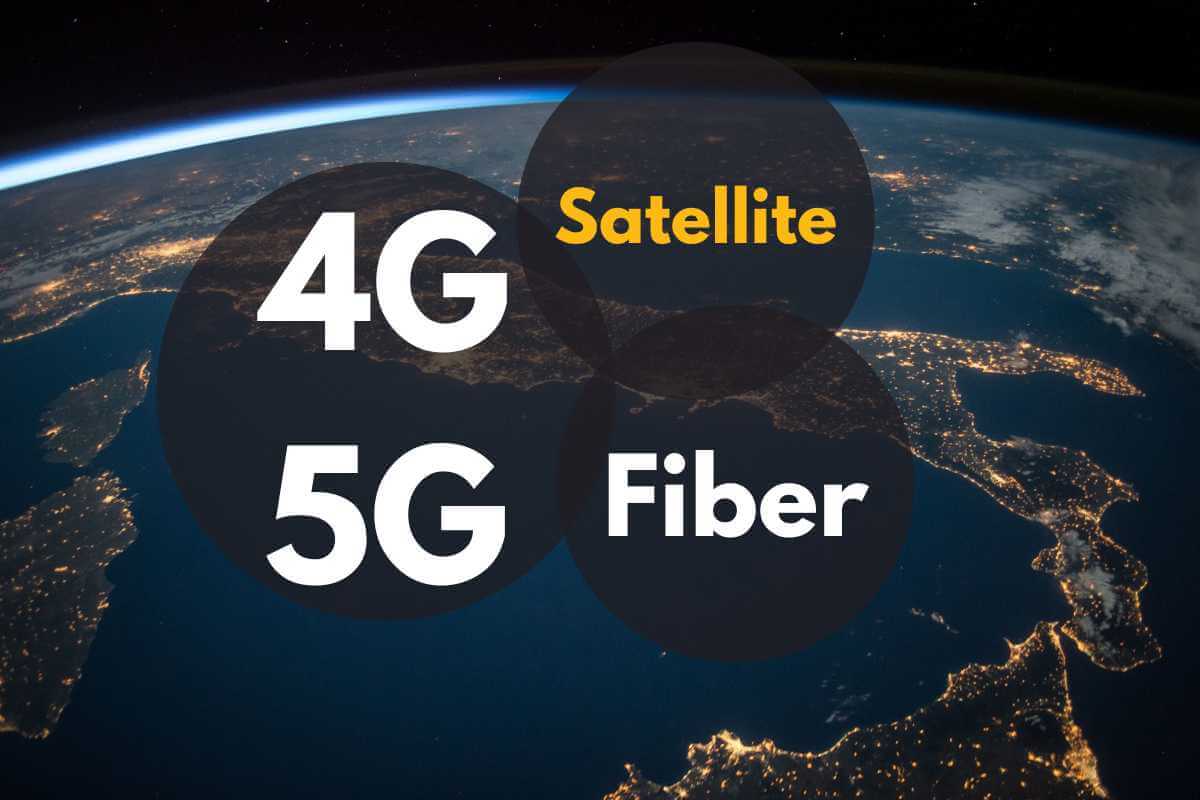
To realize the benefits of a digital ecosystem and connected consumers, Communication Service Providers (CSP) across the globe are striving to deliver connectivity via different modes. If we look at the developments happening in the global scenario, 4G/5G Deployments are making progress, while Governments are proposing full fiber deployments and minimum broadband speeds, with service providers having ambitious fiber rollout targets and Satellite providers collaborating with technology partners and testing NTN Connectivity to remotest areas.


- Make Telecom Talk My Trusted Source



Also Read: Indian Telecom Policy and Reforms Hailed by GSMA
However, if you observe, through cellular, fiber and satellite connectivity, CSPs aim is the same globally: Connect the consumer with highly reliable internet and speeds. However, a business thrives on a healthy and premium consumer base, and these three connectivity modes have their use cases. Let’s now have an overview of the same.
Also Read: Telecom Infrastructure Providers Facing Hurdles for Faster 5G Rollouts: DIPA
1. Cellular Connectivity
4G/5G Networks, the mandatory wireless connectivity for mobility, is essential for consumers and Businesses while on the go. Undeniably, wireless connectivity would serve the basic connectivity on smartphones and devices with Gigabit speeds of the Networks. Although the telcos globally are finding it hard to monetize 5G and get a return on investments, the deployments are progressing with targets of 99% 4G/5G Network coverage for the population. As wireless networks are essential and have become widespread, a significant share of connectivity for mobility goes to cellular networks.
Also Read: Deutsche Telekom 5G Coverage Reaches 95% of Population