Support Telecomtalk






Highlights
- Bharti Airtel, the second-largest telecom operator, has had a strong last decade in India.
- Even though there were price concerns, Airtel managed to make a comeback.
- Now, the telecom operator's chairman Sunil Bharti Mittal, has outlined three key pillars for the future growth.

Andrew Bonwick
Vice President of Product Development at Relm Insurance

Madhav Sheth
CEO of Ai+ Smartphone

Stephen Rose
CEO Render Networks



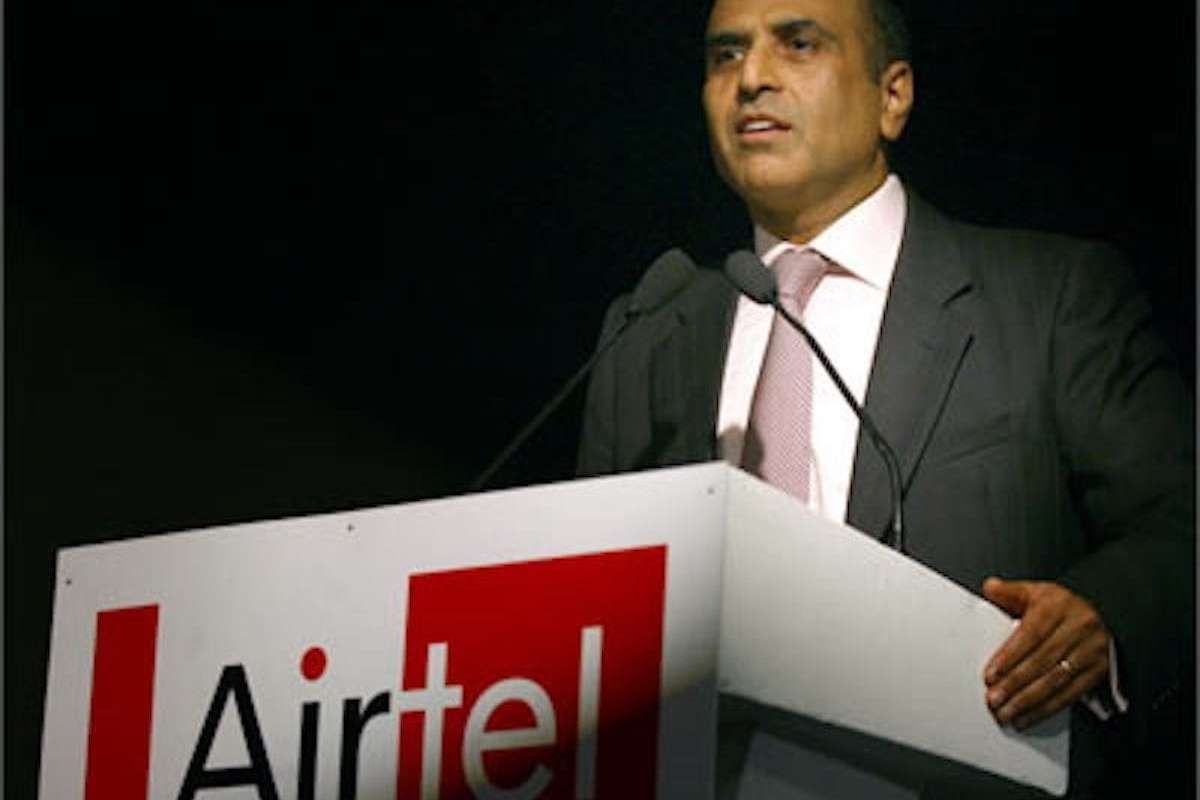
Bharti Airtel, the second-largest telecom operator, has had a strong last decade in India. Even though there were price concerns, Airtel managed to make a comeback. Now, the telecom operator’s chairman Sunil Bharti Mittal, has outlined three key pillars for the future growth. There are three adjacencies the telco believes will bring the growth for the company in the next decade. One of these three pillars is finance. This aligns with the announcement of Rs 20,000 crore investment by Airtel into its NBFC (Non-Banking Finance Company) Airtel Money.
- Make Telecom Talk My Trusted Source



Bharti Airtel Three Areas for Future Growth
Bharti Airtel has three areas for future growth – data centers, financial services, and cloud. For financial services, Airtel Money has already been talked about above. The second area of growth will be data centers. Airtel’s data center arm is Nxtra. It recently secured a $1 billion investment, which will help with scaling to 1 GW capacity.



Mittal, in the annual report of Bharti Airtel for FY26, said, “Over the last few years, we took a calibrated approach to build new growth engines for Airtel. These bold bets yielded strong outcomes and have grown our conviction in three adjacencies where we believe Airtel has a clear right to win – financial services, data centres and Airtel Cloud.”
Nxtra has been operational for a very long time. The company has already been building and scaling capacity and adding business. Airtel Money, which recently received its license from the Reserve Bank of India (RBI) will be in focus here. Cloud is also an area where the growth can come for Airtel. Indian consumers and enterprises are fast adopting cloud services for storing their essential files.