 Support Telecomtalk







Andrew Bonwick
Vice President of Product Development at Relm Insurance

Madhav Sheth
CEO of Ai+ Smartphone

Stephen Rose
CEO Render Networks



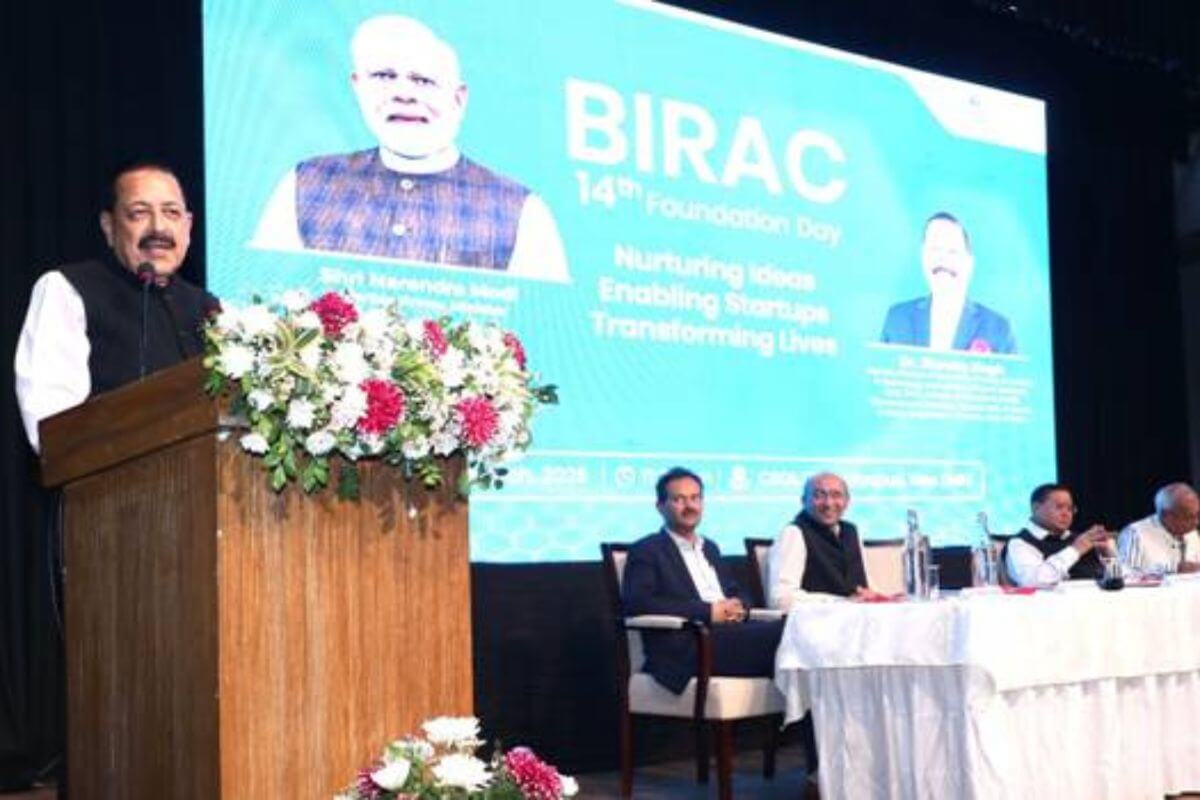
India’s bioeconomy has witnessed a remarkable expansion over the past decade, growing from nearly USD 10 billion in 2014 to over USD 195 billion in 2025, Union Minister of State (Independent Charge) for Science & Technology, Earth Sciences, and MoS PMO, Personnel, Public Grievances, Pensions, Atomic Energy and Space, Jitendra Singh, said on Thursday. The sector recorded an annual growth of around 17–18 per cent in the past year alone, underlining India’s emergence as a significant global biotechnology hub, according to an official statement from the Ministry of Science and Technology dated March 19, 2026.
- Make Telecom Talk My Trusted Source
-

-


Biotechnology Emerges as Key Growth Driver
Addressing the 14th Foundation Day celebrations of the Biotechnology Industry Research Assistance Council (BIRAC) in New Delhi, the Minister highlighted biotechnology as a central pillar of India’s future growth, with applications spanning healthcare, agriculture, climate solutions and sustainable manufacturing. He noted that the country is on track to achieve a USD 300 billion bioeconomy by 2030, supported by a strong base of scientists, entrepreneurs and startups.
Singh added that BIRAC has played a crucial role in connecting research with industry and enabling the transition of ideas from laboratories into market-ready solutions. He said the agency has significantly contributed to the growth of India’s biotechnology ecosystem through funding, incubation and mentorship, leading to affordable healthcare solutions, job creation and enhanced industry-academia collaboration.
BioE3 Policy to Boost Sustainable Innovation
Highlighting policy initiatives, the minister referred to the BioE3 Policy—Biotechnology for Economy, Environment and Employment—as a major step towards promoting sustainable biomanufacturing and bio-based industries.






























