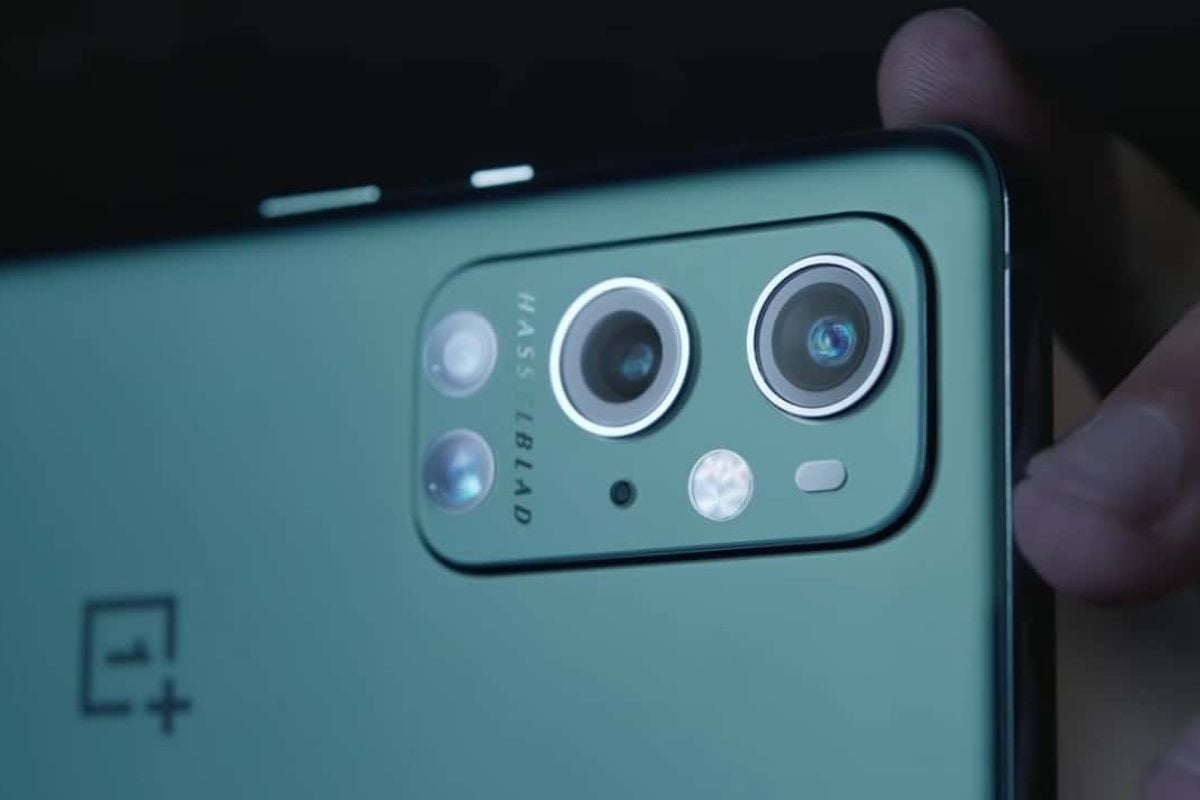
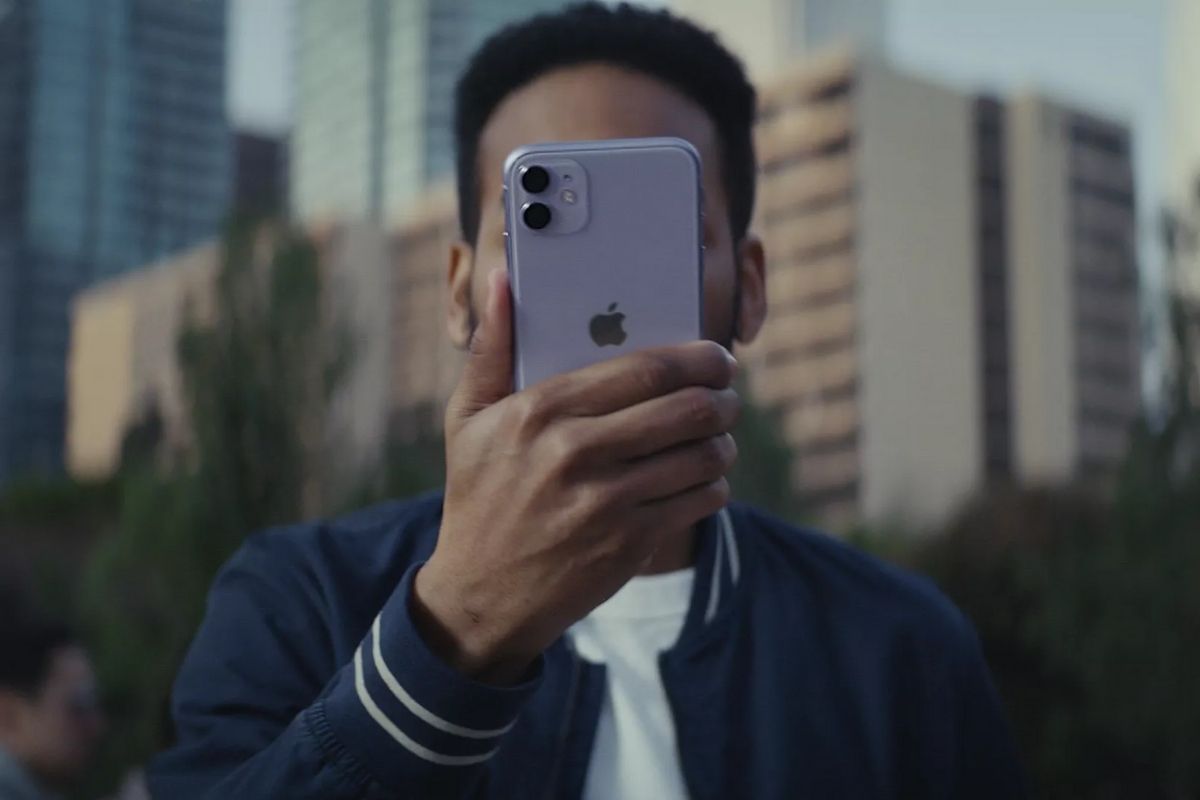
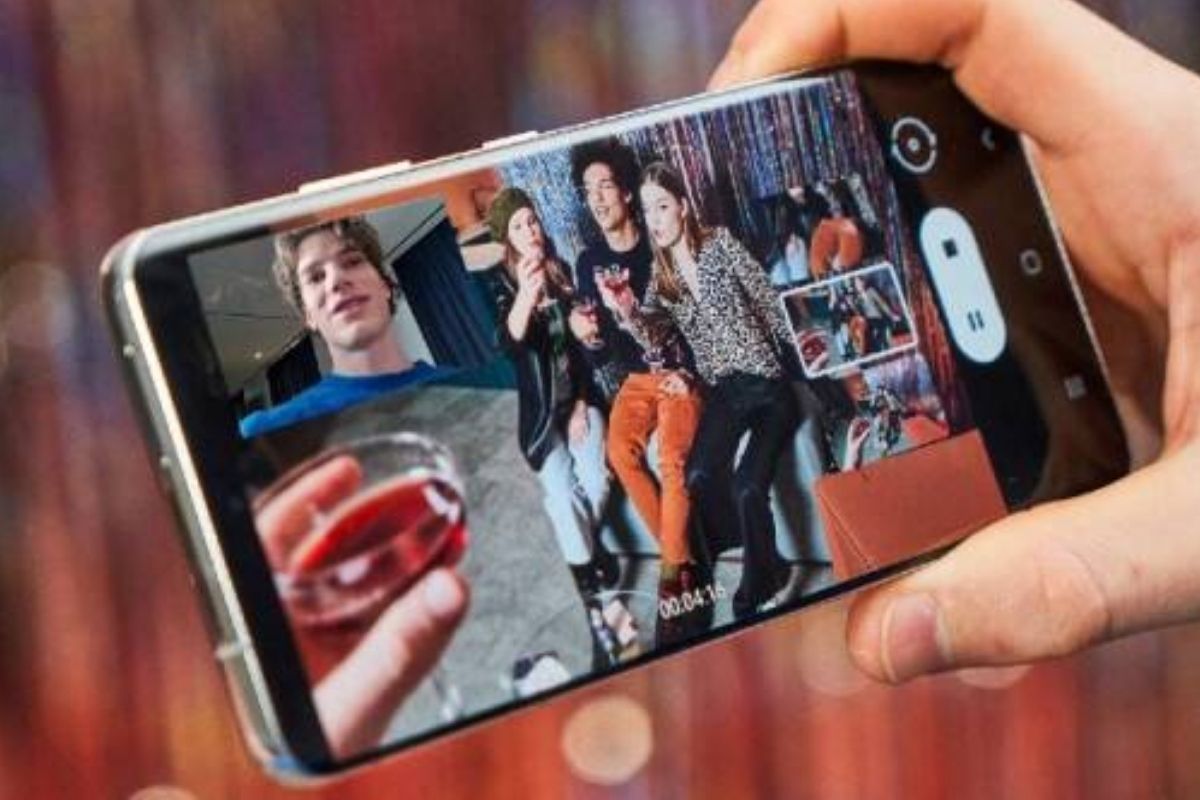
Smartphone giants like Samsung, Xiaomi and Apple usually offer one flagship series per year, with the time frame for the launch being either in Q1 or around fall.
Most of the time, users hold off on tech purchases and wait for Apple’s event which brings along with it the next generation of iPhones, which at times bring better advancements for a slightly cheaper price, at least for the base variant.
In India, the tech enthusiast usually works on a two-year upgrade cycle and, in foreign markets wherein mobile carriers play a huge role in your tech purchase, a two-year plan is the most common occurrence, persuading users to shift phones after the commencement of the two years.
That being said, in today’s day and age, this occurrence is being questioned left and right, considering as to how the pace of smartphone advancement has slowed down, and, for most users who opt for mid-range devices or flagships, software support has been extended to last way longer than two years, especially in the case of Samsung, Vivo and Apple. There are two key reasons that back up our theory, the first of which is in relation to the upgrade cycle itself.
The Upgrade Cycle Has Extended Quite A Bit
Despite all the new deals and products, the upgrade cycle itself has lengthened by quite a bit. Past reports from various publications and data collecting sites have revealed that users are much happier than in earlier years to hold on to their handset for longer periods of time.
In the United States of America, a market that has great demand for smartphones, 2019 was the lowest dip for two of the country’s largest carriers, Verizon and AT&T, with the dip in relation to the smartphones being sold/deals purchased.
Another reason for the upgrade cycle lengthening is the seemingly higher software support, at least for flagships. Take for example the iPhone 6s, launched way back in 2015, the device recently got upgraded to iOS 15, a whole 6 years post its launch.
Samsung too has started to offer greater software support and, if the user is able to not ruin the smartphone by dropping it or damaging it, going longer than usual on a smartphone’s usage cycle is much more feasible than ever before.
The Technological Gap is Reducing
In recent years, the consumer trend has also changed. Up until 2017-18, users would wait for the next version of a series of smartphones to know what new features could be added, but in today’s day and age, most successors are incremental upgrades, at least for a generation or two.
Sometimes it is just a new colour or something different with the back panel, but, that does not last for long and brands are forced to do something new so as to ensure sales, since, if the smartphone is basically quite similar to the older model, why would someone opt for the newer one?
Take for example the Samsung Galaxy S21 series of devices. The biggest talking point for the device was the reduced price, which really led to greater sales. The iPhone 12 was a minor rendition that added an OLED screen for all models, 5G and a newer design reminiscent of the older iPhones.
Whilst these are upgrades, none of them is a standout, since they have been present on devices launched in the past year, at least on the Android side of things.
Foldable smartphones do provide hope, as they keep pushing the boundaries from generation to generation, but, as an overall perspective, smartphone development has, for lack of a better word, become stagnant, with minor upgrades occurring yearly, and something truly amazing coming on a two-three year basis.
Some people read for free. A few choose to support. If you found TelecomTalk useful, you can help keep us running.
 Support Telecomtalk