World Telecom Day 2026: What Industry Leaders Say About India’s Connectivity Future
On World Telecom Day 2026, industry leaders across telecom, infrastructure and technology sectors shared their views on India’s digital connectivity future, highlighting the growing importance of AI, 5G, cybersecurity, enterprise connectivity and next generation telecom infrastructure in driving the country’s digital transformation journey.
India’s telecom sector is moving through another major phase of transformation as networks become more intelligent, enterprises increasingly depend on digital infrastructure and technologies such as AI, cloud and 5G continue shaping future connectivity models. On World Telecommunication and Information Society Day 2026, industry leaders across telecom infrastructure, enterprise connectivity, digital services and cybersecurity highlighted how communication networks are evolving beyond traditional voice and data services into a larger digital foundation supporting businesses, governments and consumers.
Make Telecom Talk My Trusted Source
Key Highlights
Industry leaders highlighted AI, 5G and digital infrastructure as key telecom growth drivers
Executives discussed role of intelligent networks in India’s digital transformation
Telecom infrastructure expansion remained a major focus area on World Telecom Day 2026
Industry leaders emphasised importance of secure and scalable connectivity ecosystems
Enterprise connectivity and satellite communication were highlighted as future growth segments
From AI-led telecom transformation and next generation enterprise services to indoor connectivity, satellite communications and digital trust, executives across industry shared their outlook on how telecom is expected to drive India’s next wave of digital growth.
Focus Shifts Towards Intelligent and AI-Driven Networks
Several industry leaders pointed towards growing role of AI and intelligent systems in telecom transformation.
Rajesh Chandiramani, Chief Executive Officer of Comviva, said telecom networks are increasingly becoming intelligent digital platforms capable of enabling personalised experiences and smarter engagement models for users and enterprises. He highlighted that telecom companies are moving towards AI-led ecosystems that can support digital inclusion and customer-centric innovation at scale.
Amol Phadke, Chief Transformation Officer at Tech Mahindra, also highlighted role of intelligent connectivity and emerging technologies in shaping telecom’s future. According to him, telecom networks are now becoming critical digital infrastructure layers supporting enterprise transformation and broader digital ecosystems.
Ajay Mathur, Senior Vice President in Telecom at InfoVision, spoke about continued evolution happening across telecom systems and digital connectivity frameworks. He emphasised how next generation telecom technologies are expected to support operational efficiency, automation and customer experience improvements across sectors.
Industry executives broadly agreed that telecom is no longer limited to connectivity alone, with AI, automation and digital intelligence now becoming central parts of network operations and service delivery models.
Telecom Infrastructure Expansion Continues to Remain Critical
A large part of industry commentary this year also revolved around telecom infrastructure expansion and need for stronger digital connectivity across India.
Vibha Mehra, Country Manager of Nokia India, highlighted importance of resilient telecom infrastructure in enabling India’s digital ambitions. She pointed towards growing need for scalable and future-ready networks capable of supporting rising data demand and emerging digital services.
Ashish Kapoor, Director & CEO, Telecom Networks Services (Powered by Vedang), Bluspring Enterprises Ltd, spoke about India’s next telecom infrastructure leap and importance of strengthening connectivity ecosystems to support future growth. He noted that telecom infrastructure is becoming increasingly important as digital adoption expands across industries and regions.
Kunal Bajaj, Chief Executive Officer and Co-Founder of CloudExtel, focused on growing demand for scalable digital infrastructure and next generation connectivity ecosystems. He emphasised importance of continuous investments into telecom infrastructure to support evolving enterprise and consumer requirements.
Rachna Kango, Business Head Telecom Power Solutions at Delta Electronics India, highlighted importance of reliable power infrastructure for telecom networks and digital ecosystems. She pointed towards need for energy efficient and scalable telecom infrastructure solutions capable of supporting growing network expansion across India.
Collectively, industry voices reflected strong focus on strengthening telecom infrastructure as backbone for India’s expanding digital economy.
Enterprise Connectivity and Next Generation Services Gain Momentum
Enterprise connectivity and digital transformation also remained major themes across industry commentary shared on World Telecom Day.
Avinash Gabriel from Tata Tele Business Services highlighted how enterprises are increasingly looking towards integrated digital connectivity solutions to support evolving business operations. He pointed towards rising importance of secure and reliable communication networks in enabling enterprise transformation journeys.
Gautam Sharma, Managing Director of Viasat India, spoke about growing opportunities across satellite communications and next generation connectivity services. According to him, advanced communication technologies will continue playing a key role in bridging connectivity gaps and supporting broader digital inclusion efforts.
Industry commentary reflected how enterprise requirements are now evolving beyond traditional connectivity into larger digital transformation ecosystems involving cloud services, secure communications, intelligent networking and distributed infrastructure models.
Digital Security and Trust Continue Becoming Important
Another recurring theme across executive commentary was digital trust, cybersecurity and identity protection as telecom ecosystems become more digitally interconnected.
Sachin Arora, Head of Mobile Security Division at Giesecke+Devrient (G+D) MS India, highlighted growing importance of secure digital identity and trusted mobile ecosystems. He pointed towards need for stronger security frameworks as digital interactions and mobile-based services continue expanding rapidly.
Executives also underlined that telecom networks today support critical digital services, making security and trust increasingly important for long term ecosystem growth.
Industry leaders indicated that future telecom infrastructure would need to balance innovation with stronger protection frameworks capable of addressing rising digital risks and ensuring secure communication environments for users and enterprises alike.
Industry Bodies Highlight Importance of Collaboration
Industry associations and sector bodies also stressed importance of collaboration and policy support in enabling future telecom growth.
Lt. Gen. Dr. S.P. Kochhar, Director General of COAI, highlighted telecom sector’s contribution towards India’s digital transformation journey and importance of continued ecosystem collaboration for strengthening digital connectivity.
Lt. Gen. AK Bhatt (Retd), Director General of ISpA, spoke about growing role of space-based communication systems and satellite connectivity in future telecom ecosystems. He highlighted how emerging communication technologies are expected to complement broader connectivity frameworks across India.
Industry voices broadly reflected optimism around telecom sector’s long term role in enabling digital infrastructure, enterprise transformation and next generation communication ecosystems.
Telecom Continues Expanding Beyond Traditional Connectivity
One of strongest themes emerging from industry commentary this year is how telecom sector is increasingly moving beyond traditional connectivity models into broader digital enablement platforms.
Executives across telecom infrastructure, enterprise technology, cybersecurity and satellite communications highlighted role of telecom networks in enabling digital services, AI adoption, enterprise transformation and secure communication ecosystems.
Discussions around intelligent networks, scalable infrastructure, enterprise connectivity and trusted digital ecosystems also indicate how telecom companies and technology providers are preparing for more integrated digital environments where communication infrastructure becomes deeply connected with business operations and digital services.
As India continues expanding digital infrastructure and next generation connectivity systems, industry leaders believe telecom will remain central to enabling future digital growth across enterprises, consumers and public infrastructure ecosystems.
World Telecommunication and Information Society Day 2026 therefore arrives at a time when telecom sector is no longer viewed only as communication infrastructure but increasingly as one of core foundations powering India’s broader digital transformation journey.
A small group of TelecomTalk readers helps keep this platform running. Support us if you find our work valuable.
FAQs
What is World Telecommunication and Information Society Day?
World Telecommunication and Information Society Day is observed every year on May 17 to recognise role of telecom and digital connectivity in enabling global communication and technological progress.
What were the major themes discussed by industry leaders on World Telecom Day 2026?
Industry leaders discussed AI, 5G, telecom infrastructure, enterprise connectivity, cybersecurity, digital identity and future digital transformation opportunities across India’s telecom sector.
Why is telecom infrastructure important for India’s digital future?
Industry executives highlighted that telecom infrastructure forms the foundation for digital services, enterprise connectivity, AI-driven ecosystems and future communication technologies across India.
Which companies shared views on World Telecom Day 2026?
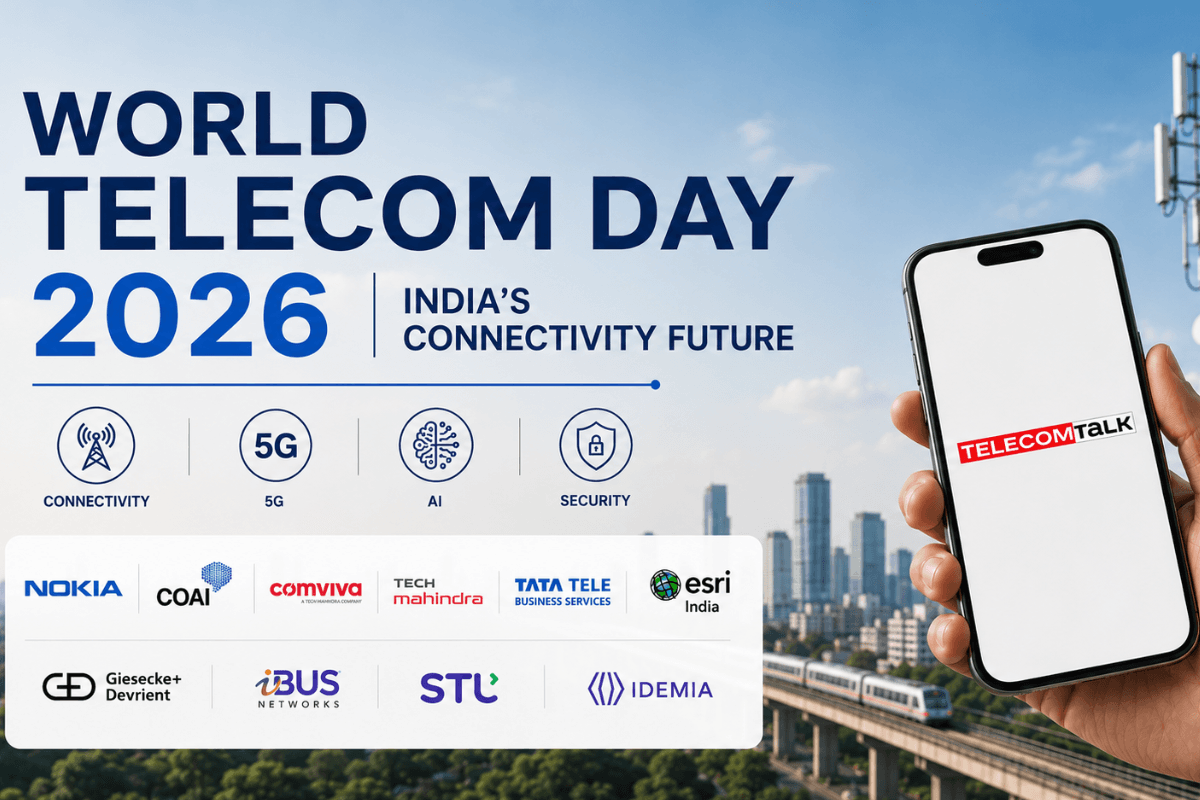
Industry views in the story included commentary and insights from companies and organisations such as Nokia, COAI, Comviva, Tech Mahindra, Tata Tele Business Services, Esri India, Giesecke+Devrient, STL, IDEMIA and others.
What role is AI expected to play in telecom networks?
Industry leaders said AI is increasingly becoming important for intelligent networks, automation, customer experience, digital services and telecom ecosystem transformation.
 Support Telecomtalk