 Support Telecomtalk







Andrew Bonwick
Vice President of Product Development at Relm Insurance

Madhav Sheth
CEO of Ai+ Smartphone

Varun Kashyap & Sridevi Reddy
Co-Founders, Zithara.ai
Transforming Indian Offline Retail and Customer Engagement Using AI


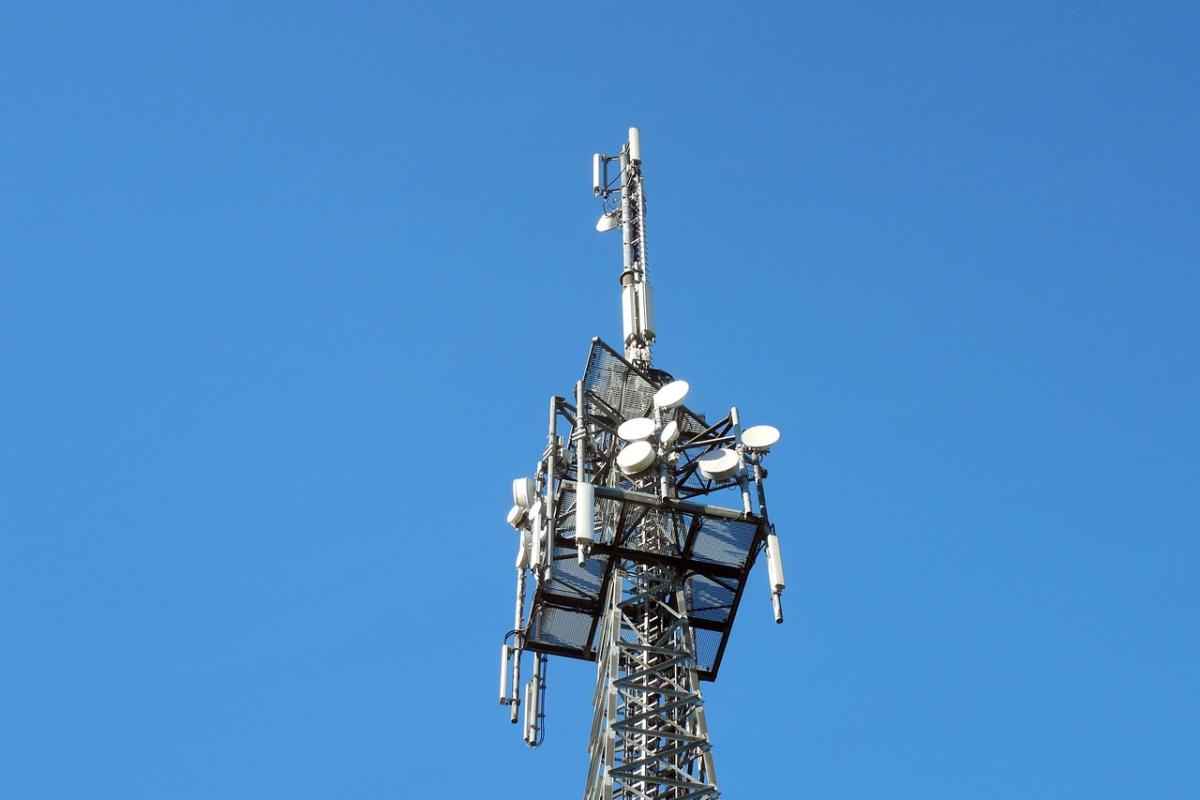
LG Uplus and Nokia will collaborate to boost the 5G indoors coverage in South Korea. The news directly came from Nokia itself, as it announced the agreement with LG Uplus to expand the 5G indoor coverage in South Korea. The company’s vision will be executed using Nokia’s comprehensive Airscale portfolio. Nokia and LG Uplus have already collaborated on 5G, LTE, digital projects and now this agreement will strengthen their relationship even more. South Korea has a record for having the fastest average internet connection speed in the world, but the question is how will Nokia’s Airscale system help improve indoor coverage? To find out keep on reading.
- Make Telecom Talk My Trusted Source



Nokia’s Airscale System And Its Benefits
Nokia’s Airscale System aims at providing seamless 5G connectivity in indoor locations. It is cost-effective, flexible and compactly designed as per DaeHee Kim, Senior Vice President, Head of Network Infra Technology Group, LG Uplus.
Nokia’s deployment will be one of a kind experience even for a high-tech market like South Korea since the next-generation small cell AirScale Indoor (ASiR) to be installed in the range of indoor locations will be extremely cost-effective. Nokia’s system constitutes a Digital Baseband unit and ASiR-pRRH solution that enables multi-operator and multi-band support which will help LG Uplus to provide seamless 5G connectivity that it aims to provide.
Both consumers and enterprises can easily enjoy the 5G internet service provided by Nokia and LG Uplus since Nokia has been specifically chosen for its compact and flexible ASiR system. Nokia’s highly praised ASiR system can improve the indoor system as its compact design can be easily deployed in the areas where it is needed. ASiR promotes a simple service upgrade to the traditional 5G New Radio which facilitates the work environment with minimal onsite working as it features a web-based manager allowing remote configuration without the requirement of a separate application. The abovementioned facts make the 5G indoor technology an ideal one as it supersedes the traditional, expensive distributed antenna systems.






























