Jio and Airtel Step into Early 6G Ecosystem as Qualcomm Targets 2029 Rollout

Jio and Airtel appear to be taking initial steps towards engaging with the emerging 6G ecosystem, Vodafone Idea is yet to visibly participate in global discussions or development initiatives tied to Qualcomm’s roadmap

Most readers read for free. A small group from the TelecomTalk community keeps this going. Support only if our work adds value for you.

Highlights

  • 6G is expected to be an AI-native network unlike previous generations
  • Global collaboration between telecom operators and tech companies has already begun
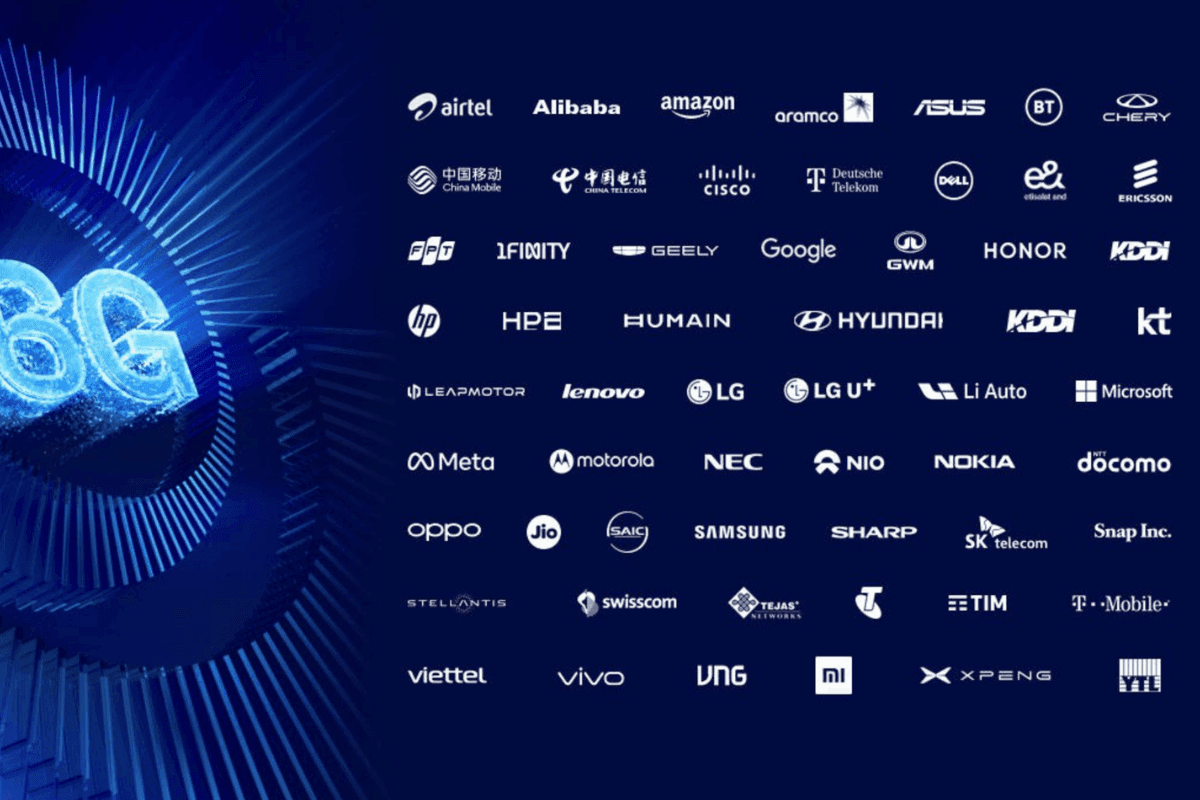
  • Leading companies such as Airtel, Jio, Samsung, Nokia, Ericsson, Cisco and others are actively involved

Follow Us

jio airtel step early 6g ecosystem qualcommAt Mobile World Congress (MWC) Barcelona 2026, Qualcomm Technologies announced a strategic coalition with leading global partners to accelerate the development of next-generation 6G networks. The collaboration outlines a milestone driven roadmap for AI native 6G systems, with commercial deployments expected to begin from 2029 onwards. The announcement marks one of the clearest industry signals yet on the transition path beyond 5G, as telecom operators and technology companies begin aligning around the future of intelligent, low-latency network infrastructure powered by artificial intelligence.

AI Native 6G Networks Take Shape

According to Qualcomm, the coalition aims to build networks that are not only faster but also capable of learning, adapting, and optimising performance in real time. Unlike previous generations of wireless technology, 6G is expected to integrate AI deeply into network architecture, enabling dynamic spectrum usage, intelligent traffic management, and improved energy efficiency.




Also Read: Samsung Completes Commercial vRAN Call on Live US Network, Accelerating AI-Native, 6G-Ready Networks

The roadmap also includes early-stage demonstrations that will take place during the development phase, laying the groundwork for scalable deployment models by the end of this decade. Industry stakeholders believe that AI-native network capabilities will play a key role in supporting future applications such as immersive extended reality, autonomous mobility, remote healthcare, and advanced industrial automation.

Indian Operators Begin Early Ecosystem Engagement

In India, telecom operators Reliance Jio and Bharti Airtel have already started participating in early global conversations around 6G ecosystem development. Both companies have previously indicated their interest in aligning with international standards bodies and technology vendors to prepare for next-generation network evolution. Their early engagement reflects a broader intent to stay integrated with global innovation cycles, particularly as the telecom industry moves towards intelligent infrastructure that combines connectivity with computing capabilities.


Participation at this stage allows operators to explore interoperability, network architecture design, and spectrum strategies well ahead of commercial rollout timelines.

Also Read: Reliance and Samsung Explore Expanding Cooperation With Focus on 6G and AI Data Centres: Report

Vodafone Idea Yet to Signal Participation

While Jio and Airtel appear to be taking initial steps towards engaging with the emerging 6G ecosystem, Vodafone Idea is yet to visibly participate in global discussions or development initiatives tied to Qualcomm’s roadmap. As the industry begins shaping standards and infrastructure frameworks for the next decade, broader alignment from all telecom stakeholders may become increasingly important to ensure nationwide readiness for 6G adoption once commercial deployments commence.

A Long-Term Transition Beyond 5G

The transition from 5G to 6G is expected to unfold gradually over the next several years, with operators continuing to expand existing networks even as they prepare for future upgrades. For now, early collaboration between chipmakers, network vendors, and telecom operators is likely to play a critical role in defining the technological foundations of next-generation connectivity.


With Qualcomm’s roadmap targeting commercialisation from 2029, the global telecom industry has begun laying the groundwork for what could become the next major leap in wireless communication

Most readers read for free. A small group from the TelecomTalk community keeps this going. Support only if our work adds value for you.

Reported By

Founder, Editor-in-Chief

Tarun PK is the founder of TelecomTalk, delivering trusted telecom news since 2008 with focus on networks, broadband and innovation.

Recent Comments

Faraz :

The application will be huge boost to scams. who will use it, I don't think even 100 people will.. One…

Reliance Jio, Bank of Baroda Partner to Launch Mobile Banking…

Gareeb Hu Bhai :

BSNL have strategy for everything except filling coverage gaps and make available a usable network. Keep wasting taxpayers money on…

BSNL has a New Strategy to Boost SIM Sales

TheAndroidFreak :

Not business wise feasible. There is no place for 100-500Mbps if 1499 for 1Gbps. 3999 is also not business wise…

Tariff Hike 2026: Airtel Quietly Raises Price of Rs 859…

TheAndroidFreak :

Launch 7 Gen 5 and 7s Gen 5 already. We have too much saturation with 7s Gen 4.

OnePlus Nord CE 6 5G to be Powered by Snapdragon…

TheAndroidFreak :

Nord 6 is out of stock for a reason.

OnePlus Nord CE 6 Series Launching in India on this…

Load More
Subscribe
Notify of
guest
0 Comments
Inline Feedbacks
View all comments