 Support Telecomtalk







Andrew Bonwick
Vice President of Product Development at Relm Insurance

Madhav Sheth
CEO of Ai+ Smartphone

Varun Kashyap & Sridevi Reddy
Co-Founders, Zithara.ai
Transforming Indian Offline Retail and Customer Engagement Using AI


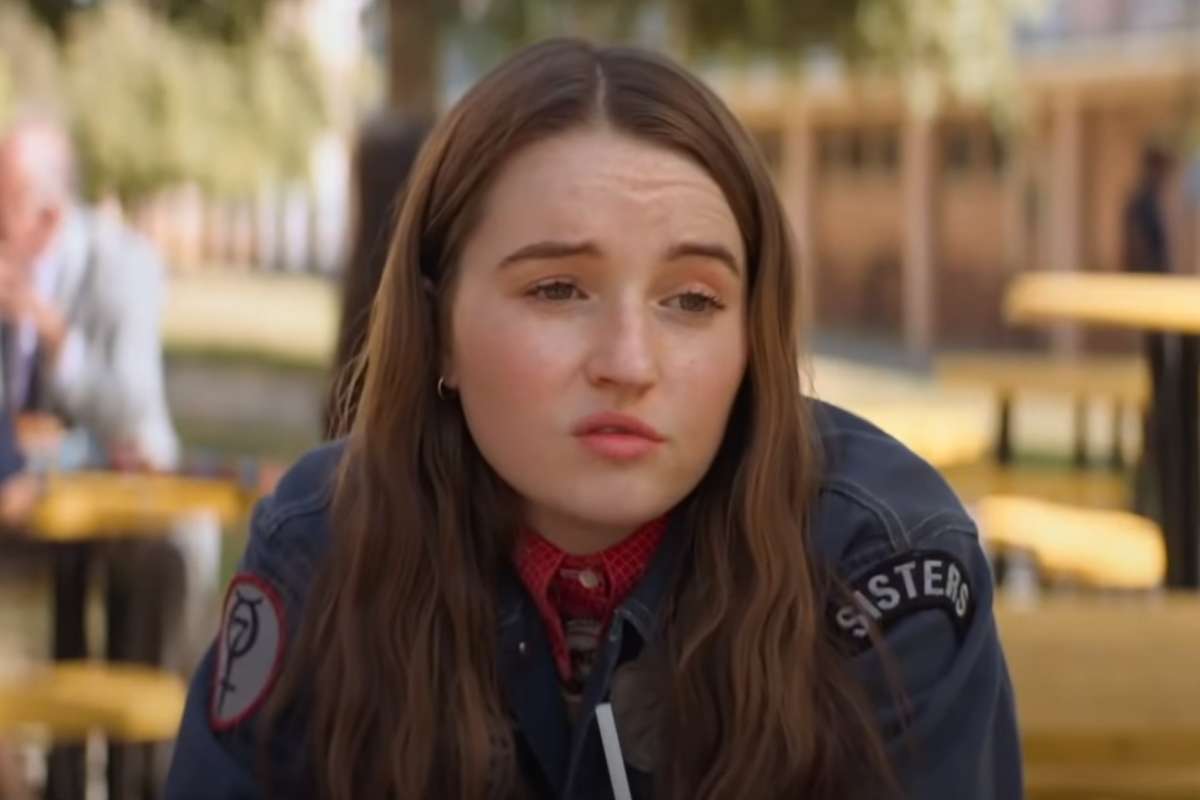
Several films champion feminism and girl power. These films, which range from classic teen comedies to biographical dramas, uplift, motivate and even educate the general public on crucial issues like gender rights, equality, and equity. In addition, these films stand out from the many male-centric ones because the leads are played by women, who aren’t just props or accessories to help the male actors portray their roles more effectively.
- Make Telecom Talk My Trusted Source



What better way to spend your weekend than binge-watching some girl-power movies on Netflix? Here are five movies that are well worth seeing:
1. Little Women
The coming-of-age period drama film Little Women, written and directed by Greta Gerwig, is based on Louisa May Alcott’s book of the same name.
Little Women is a masterwork that not only satisfies the lovers of the original novel but is also creative enough to have become an enormously significant component of contemporary popular culture. It has strong female characters who have dynamic personalities outside of their romantic interests.
It is able to depict the socio-cultural and political reality of the women of that era by contrasting the sisters’ various personal tales with one another. The film deviates from the norm in a society where women are objects of want or pity and are progressive for the time and setting in which it is set.
2. Moxie
The same-named novel by Jennifer Mathieu inspired Amy Poehler’s American comedy-drama Moxie. The story’s protagonist is a 16-year-old girl named Vivian, who promotes a feminist zine by piling copies of it up on the hand dryers in the bathrooms of their high school. The zines start a club, and soon a movement is born.
It also tells the tale of Vivian, an only child whose mother is alone herself. Because Lisa’s feminism of the 1990s was not “intersectional enough,” it is indicative of the larger story about how feminist movements varied between generations.






























