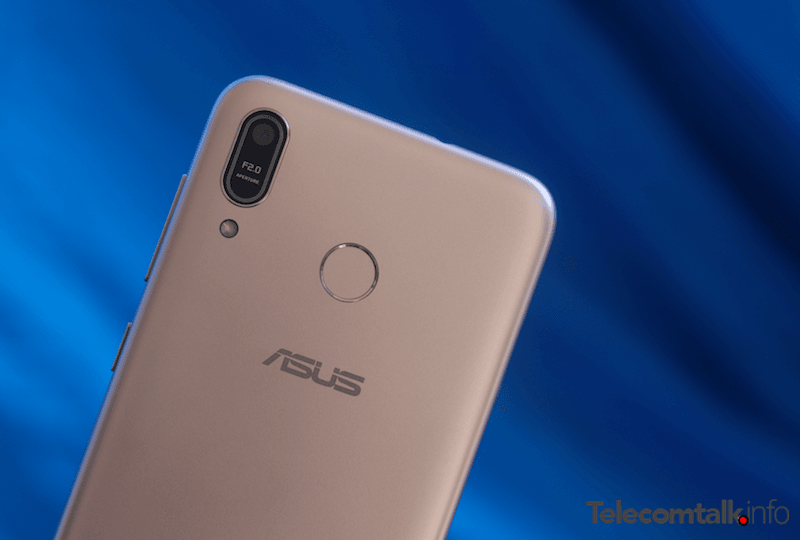
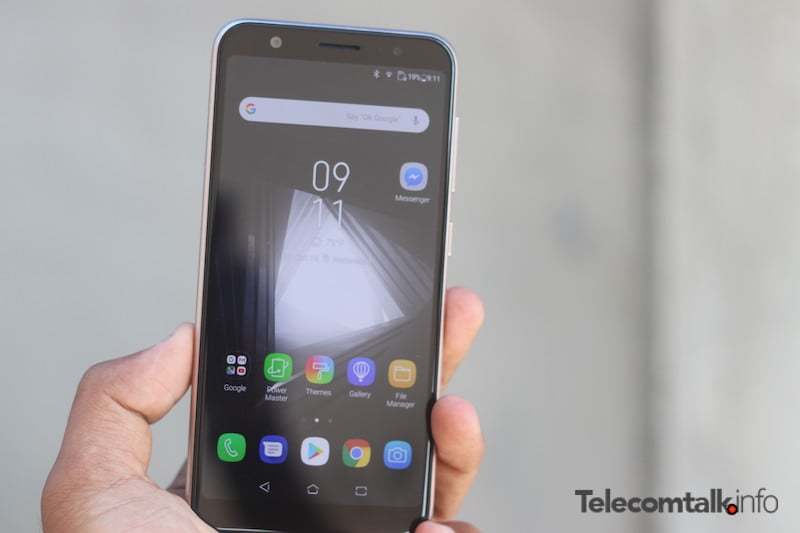
And now, Asus has joined that list and trying to gain some popularity. The Asus Zenfone Max M1 comes in a single variant with 3GB of RAM and 32GB of internal storage, and it’s priced at Rs 8,999. However, as an introductory price, the phone will be available at Rs 7,499 during Diwali. I have been using the Zenfone Max M1 for over ten days now and here’s full review of the product.

Despite sporting a beefy 4000mAh battery, the Max M1 doesn’t feel too heavy when taken into hands. Thanks to the 18:9 display on the front, the phone feels compact too and can be used single-handedly without any issues. Display side of things, the Max M1 rocks a 5.45-inch HD+ screen with a 2.5D curved glass and Asus did not reveal any protection used on the handset. Quality-wise, it’s one of the best displays seen on any smartphone under Rs 10,000; It gets bright enough in daylight conditions and the Ambient Light sensor works flawlessly.
Asus Zenfone Max M1 Review: Hardware and Software
The Max M1 is powered by the Qualcomm Snapdragon 430 chipset, paired with 3GB of RAM and 32GB of internal storage. There’s a dedicated microSD card slot for storage expansion up to 128GB. Now you might be wondering why did Asus choose a two-year-old chipset in 2018? Well, I have pitched in the same question to Dinesh Sharma, Director Mobile Product, Asus India; He replied that there are a lot of consumers who are looking for smartphones with Qualcomm Snapdragon processors and the best one they can offer in this price range is still the Snapdragon 430 because the new launches such as Snapdragon 439 and Snapdragon 429 are yet to be commercially available for mobile manufacturers.
Consumers lose out on some major features because of the old SoC. Firstly, the Snapdragon 430 doesn’t offer Dual 4G, which could be a deal breaker for many and it’s not as powerful as the Snapdragon 450 SoC found on the Realme 2, Xiaomi Redmi 5 and the Realme C1.
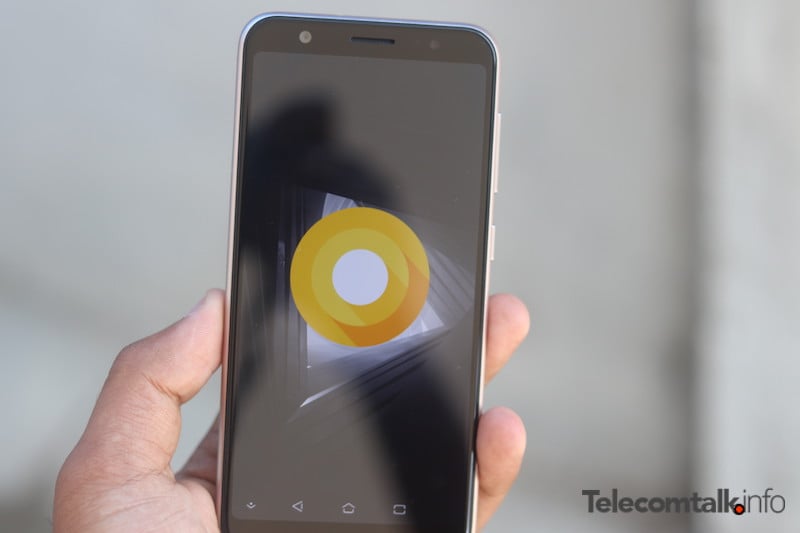
The phone runs Android 8.0 Oreo-based ZenUI 5.0 out of the box. For the unaware, ZenUI is a customised version of Android, but the interface on Max M1 was super snappy during my entire usage. It doesn’t ship with any bloat- another little thing worth noting. The only pre-installed apps on the Max M1 are Instagram, Facebook and Facebook Messenger, and they can be uninstalled too. These days, smartphone brands are launching products with half-baked software, but that isn’t the case with Asus as the Max M1 did not have any software issues.
The fingerprint scanner on the handset is placed on the back; It’s quick in unlocking the handset, but again, not as quick as the one we get on the Xiaomi Redmi 6 or the Realme 2. There’s a software-based Face Unlock feature too, which again isn’t the fastest ones when it comes to unlocking. The big magnet speaker is placed on the bottom beside the Micro USB port and it gets the job done.
The USP of the Max M1 is the 4000mAh battery underneath. Battery life is one of the biggest pros of this device. The phone lasted for more than two days with moderate usage including a couple of hours of 4G, more time on Wi-Fi, social media apps usage such as WhatsApp, Twitter and YouTube streaming for the most part. With this usage, the Max M1 offered me a battery life of over two days and a screen-on time of close to seven hours. Asus also added 10W charger inside the retail box, which is not a quick charger but charges better than the standard ones.
Asus Zenfone Max M1 Review: Cameras
The Asus Zenfone Max M1 ships with a single 13MP shooter on the rear side which has f/2.0 aperture, 4P lens, 1.12um, PDAF and an LED flash. On the front, we get a 5MP shooter with 3P lens and LED flash support. Unlike the Asus Zenfone Max Pro M1, this phone ships with PixelMaster camera application which is loaded with a slew of features such as Portrait mode, Beauty mode and Panorama.
During daytime, the Max M1 captured photos with a good amount of details and the dynamic range was decent too. The HDR mode helps in capturing better images. The phone also has a software-based Portrait mode which again does a decent job in blurring the background, but sometimes, it blurs some portion of the subject too. Now the biggest question for Asus is: Will it beat the Redmi 6, which is the currently one of the best camera phones under Rs 10,000? Well, it’s mixed bag. It comes close to the Redmi 6’s performance in daylight, but in night conditions, the Redmi 6 produces better images. Furthermore, the Redmi 6 has a secondary sensor that adds hardware-based bokeh effect to the images. The blurring effect is better on the Redmi 6 than the Max M1.
Asus Zenfone Max M1 Review: Should You Get It?
The Asus Zenfone Max M1 is a decent offering from the Taiwanese smartphone maker. At Rs 7,499, the Max M1 is a complete value for money deal as the software is tuned perfectly, battery life is better than the Redmi 6, acceptable camera performance and the display is excellent too.
But at Rs 8,999, it’s a questionable offering from Asus considering what it has done this year. The Max Pro M1 is the best value for money smartphone under Rs 15,000, even after six months of its launch and the Zenfone 5Z is a well-rounded flagship smartphone. But that’s not the case with Asus Zenfone Max M1. Right now, it’s available on Flipkart at Rs 7,499 and if you want to purchase it, grab it without looking any further ado, but once the price goes back to Rs 8,999, the phone will see less attention from the users. Keeping price aside, the Zenfone Max M1 is yet another well-rounded phone from the company.
Every article you read here is the result of time, research, and effort. If you feel it adds value, you can support TelecomTalk.
 Support Telecomtalk