 Support Telecomtalk







Andrew Bonwick
Vice President of Product Development at Relm Insurance

Madhav Sheth
CEO of Ai+ Smartphone

Stephen Rose
CEO Render Networks




The Cupertino based tech giant, Apple inc recently held its Spring event and, to the surprise of none, it ended up being the most talked-about tech event in the last few months. Whilst the highlighted product without a doubt was the iMac, which received a rather radical redesign, dividing tech enthusiasts into those who are in favour of the design, whilst the other side began to dearly miss Steve Jobs.
- Make Telecom Talk My Trusted Source
-

-


Regardless, this event was another instance of Apple showing it is without a doubt the best at doing online (non-physical) events, ahead of the likes of Samsung, OnePlus and more. Alongside these products, we also saw the debut of two new iPad Pros, namely an 11-inch model and a 12.9-inch model.
What sets them apart though is the computing power that Apple has chosen to use in the new iPad Pros, namely the M1 chip. For those of you in the dark, here’s a brief segment on what sets the M1 chip apart and why it was and to this date one of the most important power-related changes to occur in Apple’s coveted ecosystem.
Apple’s M1 Chip: What Sets It Apart
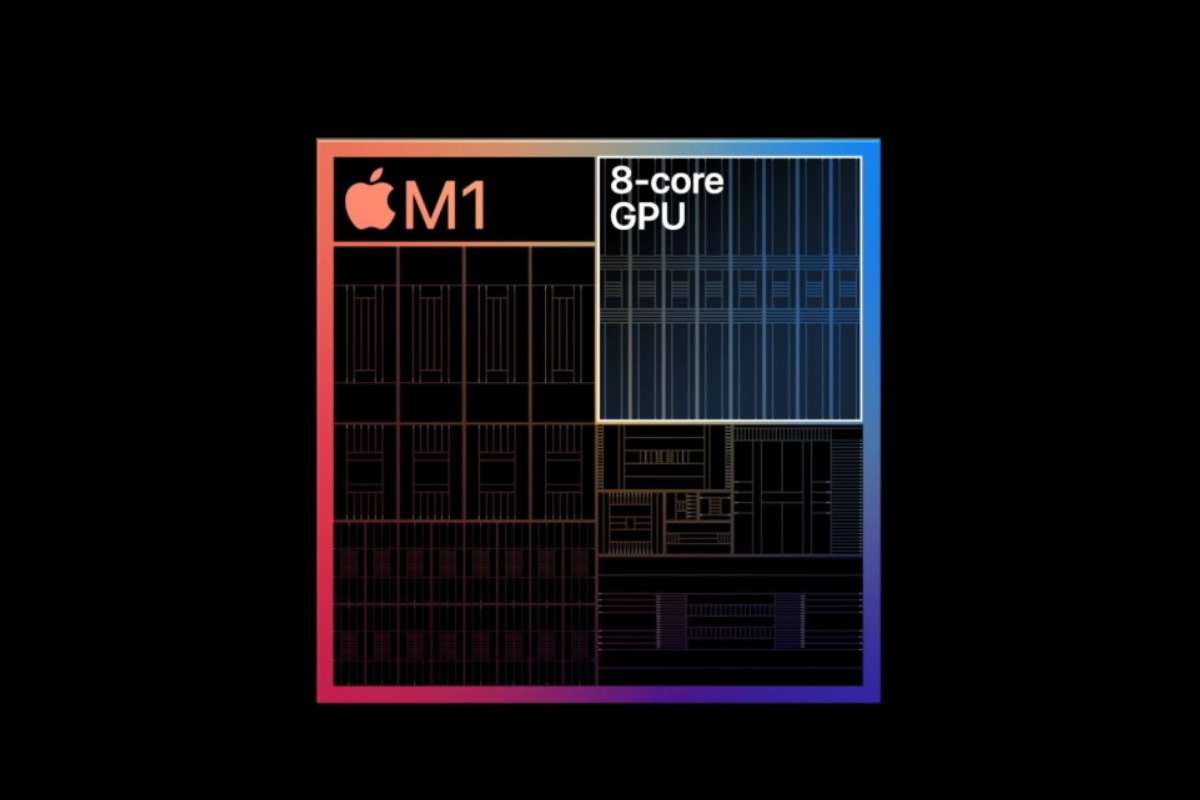
Apple went on the stage back in November, announcing the new MacBook Air and MacBook Pro, with the M1 chip based on ARM technology at the helm. Here are some things that set the M1 chip apart.
- Battery efficiency: Battery efficiency is a key aspect of any device and, with the switch to ARM architecture and the M1 Chip, users familiar with MacBooks of the past reported extraordinary battery life, living up to the claims Apple made, specifically 18 hours of battery life on the MacBook Air. Battery drain whilst in a hibernated state was also quite less.

- Subscribe






























