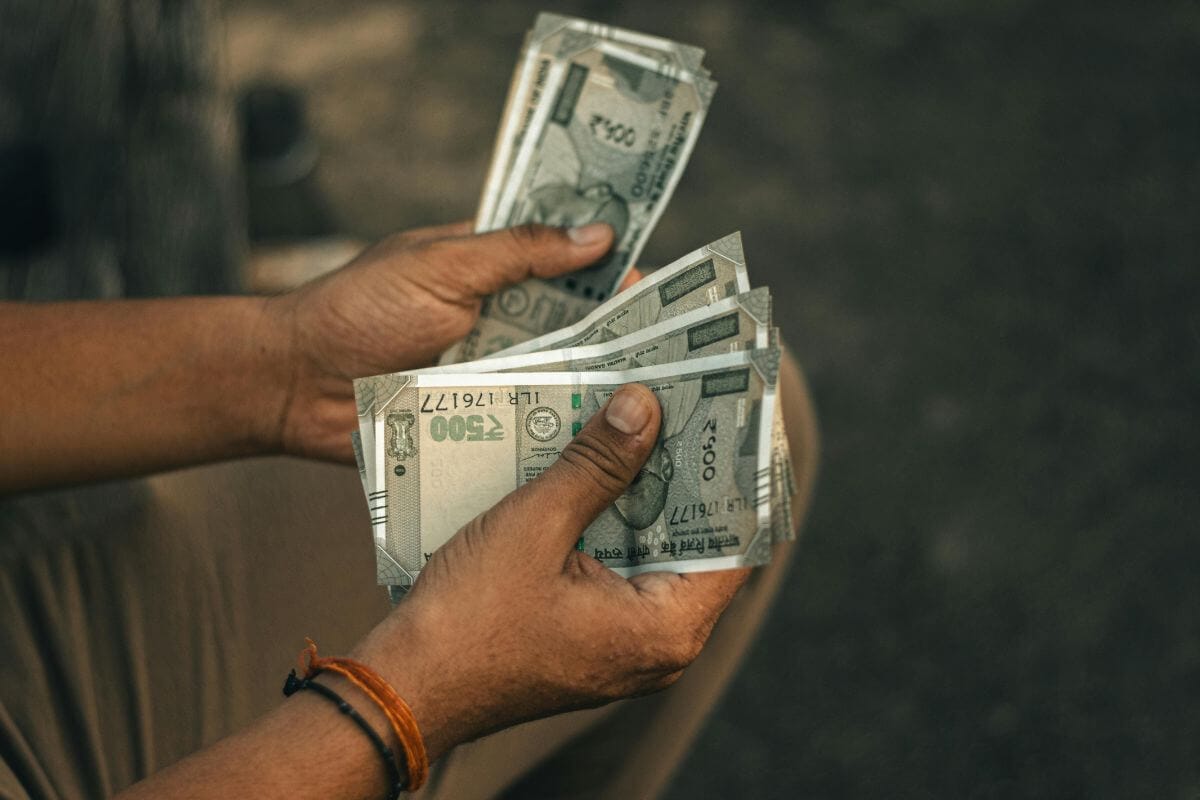
A surge in welfare spending has marked the election season across several poll-bound states, with governments accelerating financial outlays in the run-up to Assembly elections. In Assam, West Bengal, Tamil Nadu, Kerala, and Puducherry, state governments have collectively announced or disbursed more than Rs 37,000 crore through new and expanded schemes, according to a report by The Indian Express dated March 30, 2026. With most measures rolled out between January and March, the spending surge comes just ahead of the enforcement of the Model Code of Conduct (MCC).
Except for Kerala’s Rs 3,000 crore initiative announced earlier, most measures were unveiled between January and March, just ahead of the elections. Disbursals have intensified sharply in recent weeks, with over Rs 20,000 crore released in the past month alone through direct cash transfers, one-time payments, and enhanced benefits, the report noted.
Tamil Nadu accounted for the largest share, disbursing over Rs 13,000 crore in March, while West Bengal released more than Rs 3,000 crore across February and March. Assam, in a notable instance, transferred Rs 3,600 crore in a single day on March 10. The trend reflects a clear front-loading of welfare payouts before the enforcement of the MCC.
Tamil Nadu
A notable feature across states is the focus on women beneficiaries. In Tamil Nadu, Chief Minister M. K. Stalin announced a Rs 3,000 Pongal cash gift for rice-category ration card holders and families living in rehabilitation camps for Sri Lankan Tamils, covering over 2.22 crore households. This was followed by a Rs 5,000 transfer to 1.31 crore women under the Kalaignar Magalir Urimai Thogai (KMUT) scheme. Of this, Rs 3,000 covered payments for February, March, and April, while the remaining Rs 2,000 was described as “special summer assistance.”
Since assuming office in 2021, the government has consistently expanded welfare measures aimed at easing the financial and domestic burden on women, including free town bus travel, Rs 1,000 monthly aid, and free breakfasts for schoolchildren.
In West Bengal, the TMC government led by Mamata Banerjee enhanced benefits under the Lakshmir Bhandar scheme, raising monthly assistance to Rs 1,500 for general-category women and Rs 1,700 for SC/ST beneficiaries. It also announced the Banglar Yuva Sathi scheme, offering Rs 1,500 per month to unemployed youth aged 21 to 40 years for up to five years or until they secure employment, whichever is earlier.
Additionally, the government announced a 4 per cent dearness allowance (DA) hike for state government employees, teachers, and pensioners effective April 1, along with a Rs 1,000 monthly increase in honoraria for ASHA and Anganwadi workers, as well as civic volunteers, village police, and green police.
Assam
In Assam, the Himanta Biswa Sarma government distributed Rs 9,000 each to around 40 lakh families under the Orunodoi scheme. The one-day transfer of Rs 3,600 crore represents over 10 per cent of the state’s annual own tax revenue of Rs 34,823 crore, underscoring the scale of the payout. The initiative has been positioned as a key welfare intervention targeting women beneficiaries.
Kerala
Kerala has taken a relatively structured approach. In October 2025, it increased social security pensions from Rs 1,600 to Rs 2,000 per month for about 62 lakh beneficiaries, including the elderly, widows, and persons with disabilities, adding roughly Rs 2,976 crore to the annual fiscal burden. It also introduced the Sthree Suraksha scheme, which provides Rs 1,000 in monthly support to economically vulnerable women and transgender persons aged 35–60 who are outside existing schemes, targeting 31.34 lakh beneficiaries at an estimated annual cost of Rs 3,800 crore.
Puducherry
Puducherry, despite its smaller fiscal capacity, has implemented similar measures. The Union Territory approved a Rs 3,000 Pongal cash transfer for 3.47 lakh families, along with a subsidised commodity kit worth Rs 750. The cash component totals Rs 104 crore, bringing the overall package to about Rs 130 crore—accounting for over one per cent of its annual receipts.
Welfare Spending with Direct Cash Transfers
The concentration of announcements and disbursals ahead of elections highlights a clear front-loading of welfare spending, with direct cash transfers emerging as the preferred mode of outreach. While governments project these measures as social support, the scale and timing have intensified the debate over fiscal sustainability and the growing role of welfare politics in electoral strategy.
According to the report, an October 2025 analysis of eight major state elections between 2023 and 2025 found that governments had disbursed Rs 67,928 crore in pre-poll welfare spending. Bihar alone accounted for Rs 19,333 crore—32.48 per cent of its own tax revenue—in the run-up to elections.
All these states are scheduled to go to polls next month, with counting of votes set for May 4.
 Support Telecomtalk