Support Telecomtalk







Andrew Bonwick
Vice President of Product Development at Relm Insurance

Madhav Sheth
CEO of Ai+ Smartphone

Stephen Rose
CEO Render Networks



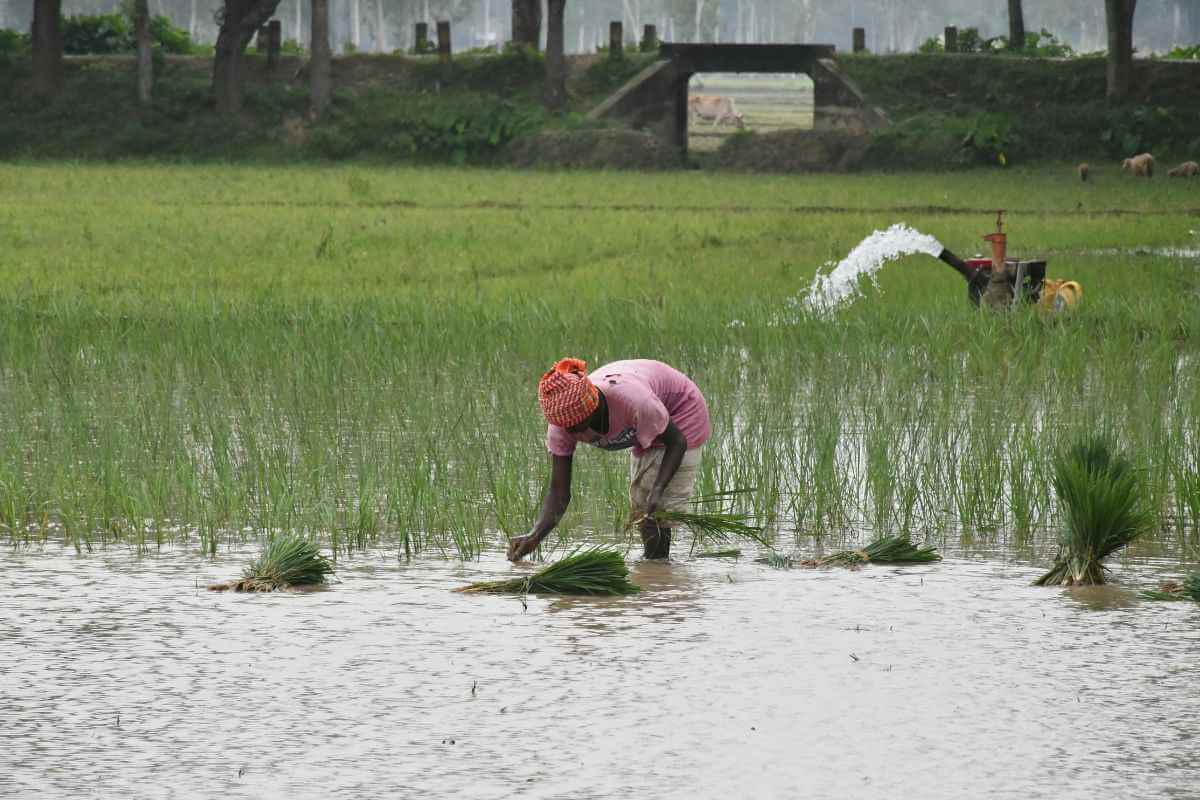
The Centre’s income support programme for farmers, the Pradhan Mantri Kisan Samman Nidhi (PM-KISAN), has disbursed more than Rs 4.27 lakh crore across 22 instalments since its launch in February 2019. Under the scheme, eligible cultivable land-holding farmers receive Rs 6,000 annually in three equal instalments through Direct Benefit Transfer (DBT) into Aadhaar-seeded bank accounts.
- Make Telecom Talk My Trusted Source



During the release of the 21st instalment on November 19, 2025, over 9.35 crore farmers received financial assistance, according to an official statement from the Ministry of Agriculture and Farmers Welfare dated March 24, 2026. The programme aims to supplement farmers’ income and support agricultural investments amid rising input costs and uncertainties.



Independent Study
The Ministry said multiple evaluation studies have highlighted the scheme’s positive impact on the rural economy. An independent study by the International Food Policy Research Institute (IFPRI) found that PM-KISAN has contributed to rural economic growth, eased credit constraints, and enabled farmers to invest more in agricultural inputs while improving their capacity to take calculated risks.
Comprehensive Feedback
Feedback collected through Kisan Call Centres (KCC) indicates that more than 93 per cent of beneficiaries utilised the funds for agriculture-related activities. Similarly, an impact assessment by the Development Monitoring and Evaluation Office (DMEO) of NITI Aayog revealed that over 92 per cent of beneficiary farmers spent the assistance on essential inputs such as seeds, fertilisers and pesticides, which are particularly important in the face of rising input costs and weather-related uncertainties. Around 85 per cent of beneficiaries reported an increase in agricultural income, along with reduced dependence on informal credit during emergencies.
“This study demonstrates the scheme’s contribution to India’s progress toward the Sustainable Development Goals related to poverty reduction, food security, gender equity, and institutional transparency,” the Ministry highlighted.